
By Sara Fernandez Leon
Image by Sara Fernandez Leon
In a city where everyone seems to be chasing something, choosing to train can feel intentional. Not accidental. Not random. A decision.
Every evening, people run through parks, attend fitness classes, lift weights, play football, swim or practise yoga. Some wake up at 6am to fit it in. Others train late at night. The sport changes, the routine changes, but the question remains the same: why do we do it?
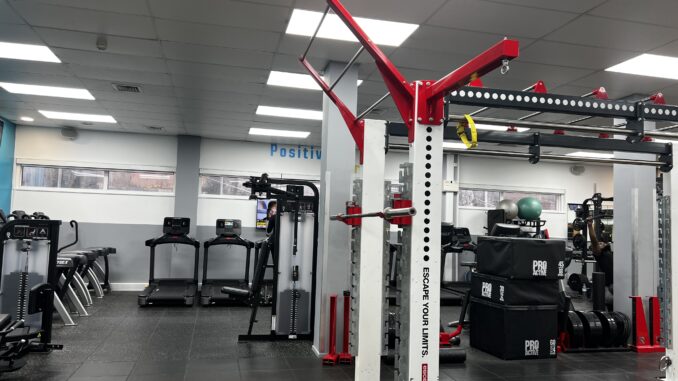
For me, training is therapy. It is the one moment in the day where everything else quiets down. When I train, I am not thinking about deadlines, messages or responsibilities. I am focused on movement, breathing and effort. The stress I carry becomes something physical. Something I can control. Whether it is lifting, running or simply pushing through a tough session, sport helps me reset. It gives structure to my day and clarity to my mind.
I am not the only one who thinks this way.
But not everyone trains for the same reason.
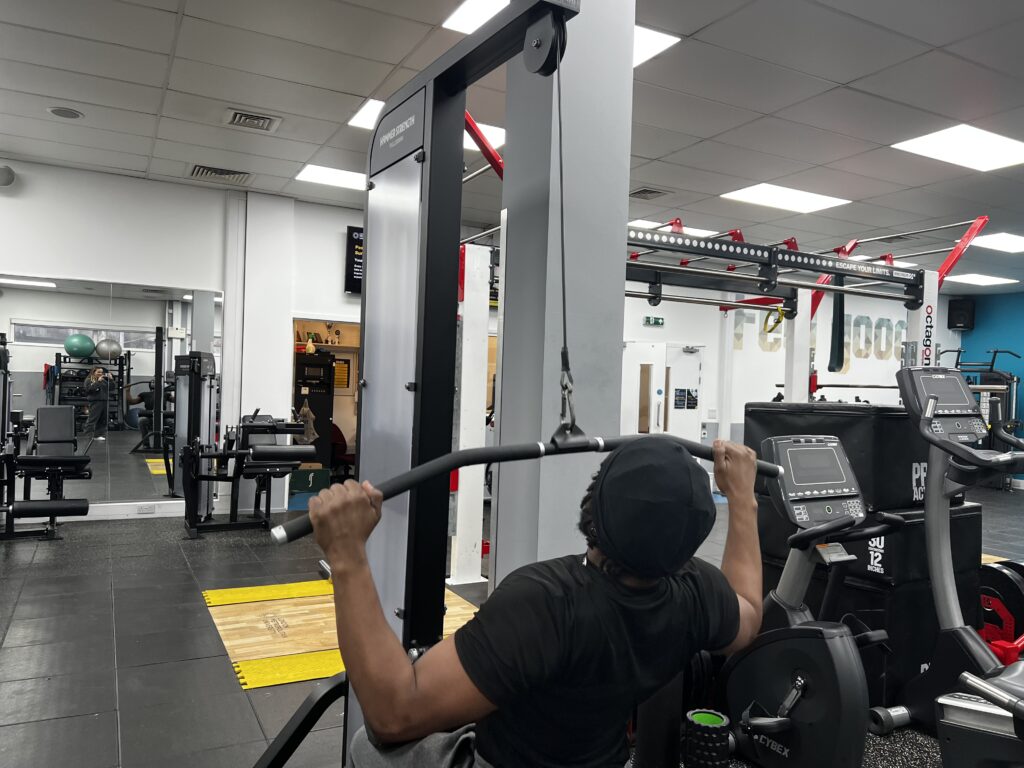
For some, sport is about discipline. It represents consistency and self-improvement. Training becomes proof that they can commit to something. It builds confidence, not just physically but mentally. Showing up regularly creates a sense of achievement that carries into other areas of life.
Nick Smith, 22, student of Music Business at London Metropolitan University
For others, it is social. Joining a football team, attending a class or going to the gym with friends creates community. In a large city, sport can connect people who might otherwise feel anonymous. Movement becomes a shared experience.
Health is another motivation. Some train because they want to feel stronger, have more energy or simply look after their bodies long-term. Sport becomes preventative, a way of investing in the future.
But alongside these motivations, there are equally valid reasons why many people do not train at all.
Sometimes it is energy. After a long day, the body feels heavy and the idea of pushing it further feels overwhelming. Sometimes it is time. Sport requires planning, preparation and commitment. When life already feels full, adding another responsibility can feel unrealistic.
No pressure mate, right?
There is also pressure attached to training. Social media often presents exercise as something everyone should be doing constantly. Rest can feel unproductive. Skipping a session can create guilt. In that environment, sport can shift from something enjoyable to something performative.
I sometimes wonder whether the difference lies in perception. For me, training feels like relief. For someone else, it may feel like effort on top of effort. The same activity can be freedom for one person and obligation for another.
Sport, in any form, asks for energy. What we choose to do with our remaining energy says a lot about what we need. Some people need movement to clear their minds. Others need stillness. Neither choice is wrong.
What is interesting is not simply who trains and who does not, but why. Is it for mental health? For structure? For community? For appearance? Or is it avoided because life already demands too much?
For me, the answer is simple. Training gives me balance. Without it, I feel overwhelmed. With it, I feel grounded. But I am aware that my experience is not universal.
Sport can be therapy. It can be discipline. It can be social connection. It can also feel unnecessary, exhausting or inaccessible. The motivation behind it is personal, shaped by lifestyle, mindset and priorities.
So the real question is not whether we should train. It is what training — or not training — means to each of us.
Leave a Reply