

By Simran Gill
Genesys LFW Runway x Rave, by Simran Gill
London has long been positioned as the most experimental, rebellious fashion city– from shaping global trends such as punk to DIY luxury, to fashion weeks. But with the rise of living costs, fast-fashion dominance, social media homogenisation, and the decline of independent retail, the question is prompt and provocative: Is London losing its edge, or evolving into something new?
Zola Ming, 28, a PhD student waiting for a friend near Holloway Road, believes the balance has shifted. “I think London follows after other major rising fashion cities like New York,” she says. “It feels like we follow them now.”
For Ming, inspiration no longer comes from observing passersby on the Tube or in Camden Market, but from curated digital feeds. “I get my inspiration mostly from Pinterest and Xiaohongshu — Red Note and it’s pretty consistent. There aren’t really micro trends, just waves.”
She argues that personal style in the capital feels less organic than it once did. “It feels like we are just riding a wave of micro trends in American fashion,” she explains. The financial strain is tangible in her wardrobe decisions. “Rising prices are making it difficult for me to buy new pieces, even charity shops are spenny. I cannot save enough money.”
For Ming, the disconnect between runway glamour and daily reality is stark. “What we see on the runway often does not reflect real London style. We are too broke to elevate our style.”
Yet in a café tucked away in central London, 31-year-old office worker Anna Shay sees things differently. “London definitely still sets fashion trends. Never follows. We are still a fashion capital,” she says firmly. She gestures toward Soho’s bustling streets as evidence. “Look at Soho and other major parts of Central. There is so much diversity.”
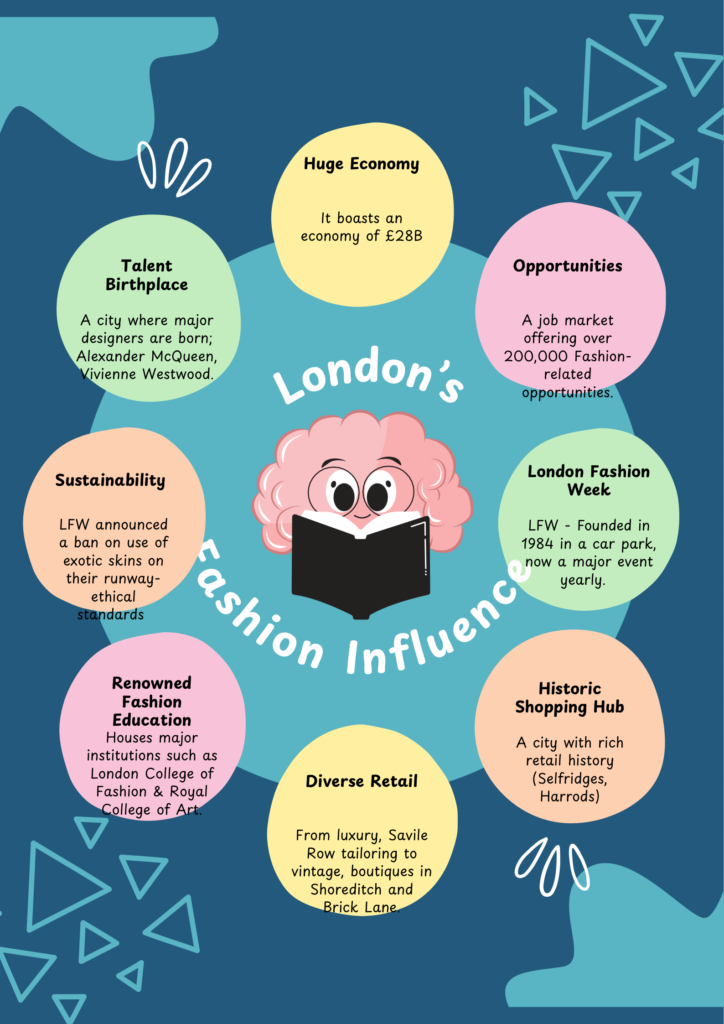
Shay draws inspiration not from algorithms but from observation. “I get my inspiration from the street. Growing up in London, I have seen so many different people.” She believes events such as London Fashion Week continue to fuel experimentation. “Personal style is thriving in London. When we host LFW, we invite more creativity.”
Rather than stifling expression, Shay argues rising prices force ingenuity. “If anything, the challenge triggers creativity. You find other ways to dress more diversely.” For her, London style in 2026 can be summed up in one word: “innovation.”
Retail assistant Jamal Edwards from Hackney situates the debate somewhere in between. “I think London still has its own energy, but social media has made everywhere look the same,” says the 24-year-old.
“You scroll and you see the same outfits in New York, Seoul, London.” He notes that while subcultures still exist, from skaters in Southbank to club kids in Dalston. They feel less visible than they once were. “It’s not that people are less creative. It’s that trends move so fast now.”
Edwards admits higher living costs affect experimentation. “When rent takes half your pay, you’re not risking £200 on something mad. You remix what you already have.” Still, he insists that London’s character hasn’t disappeared. “London style to me is mixing high and low vintage with designer, polished with rough. That hasn’t gone anywhere.”
Whether leading or following, London’s street style appears to be in transition shaped as much by economic reality and digital influence as by its rebellious past.
Leave a Reply