
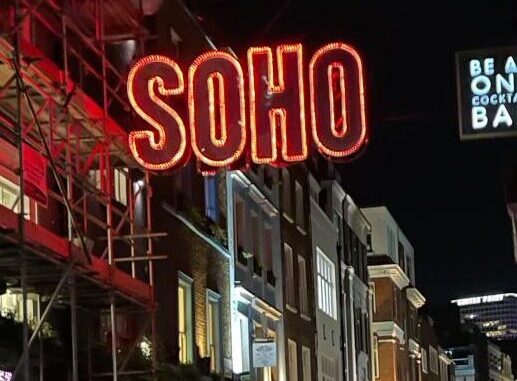
By Luke Mantle
London’s most famous LGBTQ+ district may remain packed every weekend, but beneath the neon signs, Queer Londoners are divided on what Soho now represents
At 11PM on a Friday night, Old Compton Street is still unmistakably Soho. Crowds spill out onto the pavement, with drag performers taking cigarette breaks and tourists photographing street signs with vodka cranberries or Buzzballs in hand.
On the surface, queer Soho appears alive and well. But for LGBTQ+ Londoners young and old, the conversation around this famously queer neighbourhood in central London has shifted. Gaining mainstream attention after Jeremy Joseph’s G-A-Y closure in late 2025, Many say Soho’s longstanding queer history is fading away.
As London nightlife continues to evolve in 2026, Soho sits in a strange position. Culturally iconic with successful queer bars but incuriously frustrating for the wider community as smaller venues that made Soho such a hotspot, are closing.
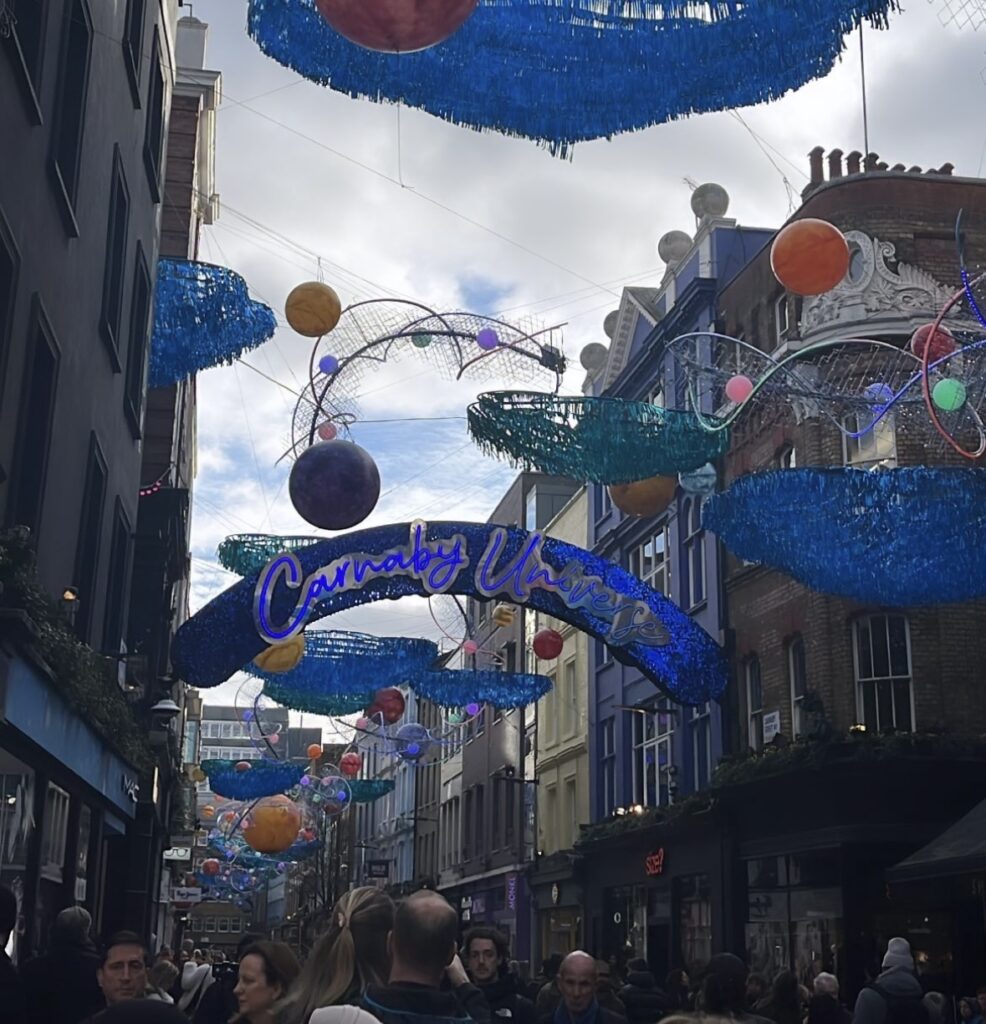
Day-time look at Carnaby Street, Soho. Image: Luke Mantle
Who and what make Soho, Soho?
For Scott Longman, Ambassador for the City of London and former LGBTQ+ venue manager, Soho has changed dramatically over the last three decades, though not entirely for the worse:
Longman has worked across London’s queer nightlife scene for more than 30 years, including security at G-A-Y Astoria and managing the now-closed Molly Moggs. He describes Soho as “always the place to be”, even during periods where LGBTQ+ people faced far greater hostility than they do today.
“When I first moved to Central London… things were very different back then… people being able to come out, people feeling safe feeling safe,” he explains. “The police dealing with homophobic situations etc, was very different to what the situation is now.”
His perspective contrasts with the often-pessimistic viewpoint surrounding modern nightlife. While discussions around the gentrification of Soho have intensified in recent years, Longman argues that Soho itself is safer than it once was.
“London as a capital city is accepting of every community,” he says. “I feel safer now than many years ago.”
What has changed, however, is who occupies queer spaces. “The gay bars in Soho, it’s a very mixed customer base,” he explains. “A lot more straight people come into gay bars.”
For some queer nightlife workers, this shift represents a loss of ownership over historically LGBTQ+ venues. Yet Longman views the increased visibility of straight audiences as evidence of wider cultural acceptance.
“If we’re having straight couples, straight people, coming into gay bars, it means there’s more acceptance,” he says. “Straight women come to gay bars because they feel safe.”
The tension sits at the centre of Soho’s modern identity crisis. Greater acceptance has brought visibility and acceptance from the wider public, but closures of many gay bars have led to a less vibrant Soho.
Longman remains optimistic about Soho’s future, hinting at the possible return of an iconic queer venue and arguing that the area can continue evolving without losing its identity completely.
“We should push for a safer Soho,” he says. “There’s more that can be done.”
The Search for safety in Queer Nightlife
While venue owners and managers witness Soho from an operational perspective, queer clubgoers experience it far more personally.
For partygoer Amelia Hopkinson, queer nightlife remains deeply tied to feelings of safety and belonging – particularly as a queer woman navigating London nightlife.
Video by Luke Mantle
Hopkinson describes modern London nightlife as diverse and energetic, with “there’s a good range of clubs”, but says queer spaces vary in who they cater towards.
“I think a venue feels queer if there’s a real mix of queer people within it,” she explains. “There are a lot of venues with just white, cis, gay men. As a queer woman, it’s nice to be in spaces filled with other queer women and trans people and enbys. It’s also nice to be in a space that’s surrounded by more queer venues, so that when you leave you still feel safe, and you feel like you’re in a hub of your queer community.”
Her comments reflect the criticism aimed at Soho that Longmont referred to. Although the area remains symbolic within LGBTQ+ culture, some younger queer Londoners increasingly favour nightlife scenes in areas where independent events and alternative spaces feel more community-led.
“Even in those [Soho] lesbian bars, I don’t feel like they cater to the wider queer community.” Hopkinson explains. “I much prefer going to Dalston… even Hackney Wick,”
Soho remains covered in rainbow branding and Pride advertisements yet isn’t making the wider community feel safe. The idea of rainbow washing or only catering to one side of the community is where many frustrations come from.
For Hopkinson, preserving Soho’s identity is less about the current offer Soho brings and more about protecting queer history within London itself.
“I think the majority of what London would lose would be rooted in the history,” she says. “We don’t want to eliminate queer spaces… we need to make Soho evolve.”
Her emphasis on evolution rather than preservation feels important. Soho’s future may depend on adapting to a younger and more diverse generation of queer Londoners, who expect nightlife to feel inclusive in more complex ways than previous decades demanded.
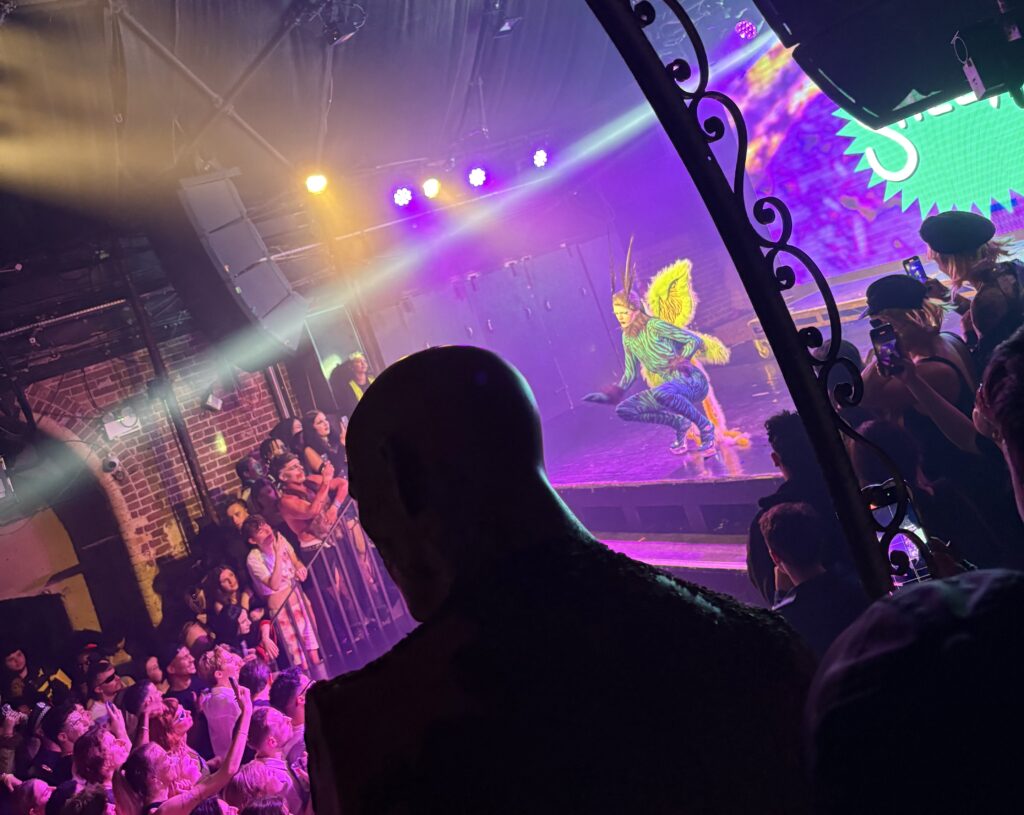
SallyTM (Drag Queen) performing for crowd at Heaven Nightclub. Image: Luke Mantle
London post-drag queens going mainstream
No part of queer nightlife could sparkle like the drag.
Over the last decade, performers once associated primarily with underground queer venues have entered mainstream television and celebrity culture, largely due to the global success of RuPaul’s Drag Race.
For full-time drag performer Tiana Biscuit, who began on stage in the West-End production of Charlie & The Chocolate Factory with her out of drag name Jenson Steele, this visibility has transformed drag culture entirely. Both positively and negatively.
“I think it’s changed drastically over the last ten years,” Biscuit says. “There are drag queen celebrities now.”
Yet increased visibility has not necessarily improved conditions for performers themselves.
“We’ve seen some negative change from Drag Race,” Biscuit explains. “The rise of touring companies treating queens awfully. It’s had a positive and negative effect.”
This mirrors Soho. Queer culture has become more commercially successful and publicly visible than ever before, while many of the physical spaces sustaining that culture continue to struggle financially.
Biscuit argues that safety within queer nightlife is ultimately created by people rather than branding.
“I feel safe because I know a lot of the door staff and bar staff,” she says. “It’s having friendly faces and wonderful people. Being queer is fun and we want to have a good time.”
According to Biscuit, supporting queer venues requires more work from the community.
“A lot of queens are underpaid, and a lot of bars don’t have the cash anymore,” she says. “We’ve seen queer spaces shutting left, right and centre because people don’t utilise the spaces and go out.”
Instead, she urges audiences to support venues consistently throughout the year, naming spaces such as Admiral Duncan and Two Brewers as examples of venues that continue investing in drag regularly.
“We want these places to stay open,” she says.

Stage shot of Mia Starr (Drag Queen) performing for crowd at Heaven Nightclub. Image: Luke Mantle
What happens next for Queer Soho?
Soho in 2026 exists in contradiction. Historically queer yet shaping itself to fit a mainstream LGBTQ+ ideal. For better, acceptance and commercial success, or worse, ostracising queer folk and losing support from the wider LGBTQ+ community.
Yet throughout every conversation, one thing remained consistent. Queer nightlife still matters. Not simply as entertainment, but as somewhere to feel recognised. A place to connect and exist openly among people who understand you.
The future of Soho may no longer depend on preserving it exactly as it once was. Instead, its survival may rely on whether it can evolve without losing the culture and people that made it significant in the first place. Sticking to its roots while making people from every corner of the LGBTQ+ community feel safe and wanted.
Because the debate surrounding queer Soho shows that queer people care about it. Soho feels like our gay uncle who makes sure most people have fun, but he could get with the times and share that fun with everyone who needs the joy in their life.
Leave a Reply