
By India Gustin
Instagram: @b_o_r_b_a_l_a_
Fashion. The world of creation and diversity. It involves transforming innovative and unique ideas into pieces that people can put on their bodies, to flaunt and make themselves appear unique. Enter high-fashion designers, whose goal it is to make you feel like one in a million.
Yet this concept has blinded us from the unmistakable truth, which is the impact of the fashion industry on our home. Wearing designer gear or just simply ‘trendy’ clothes won’t change the fact that Earth is slowly withering away, thanks to our carelessness when it comes to wanting to be fashionable.
Enter upcycling. This is the art of re-fashioning forgotten and unused textiles and materials and transforming them into new creations for people to wear. Upcycling clothing has been around for centuries, yet recent generations rely greatly on new clothing to feel better. Why not feel good in something old that has been given new life?
Sustainable clothing
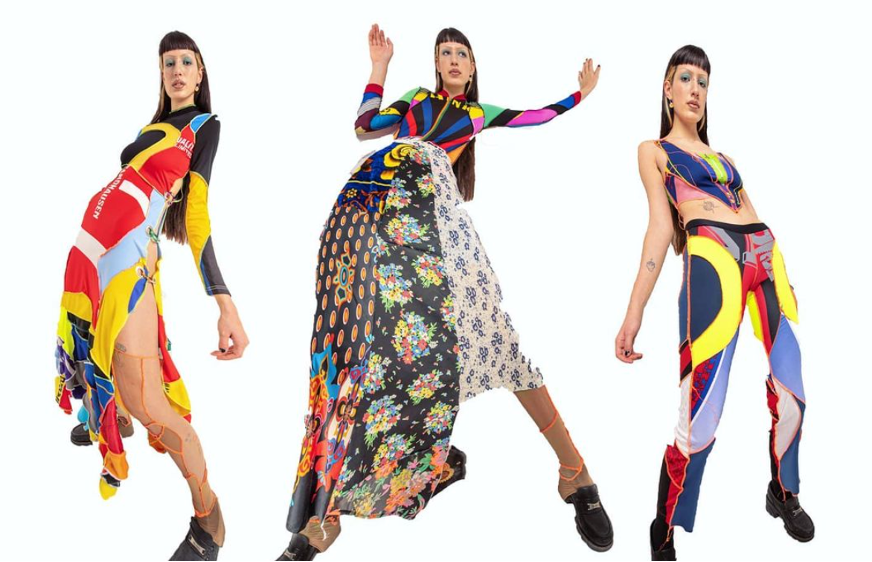
Borbala Ferencz is the founder of the sustainable clothing brand Ferenczborbala. She takes unwanted clothes from second-hand stores and creates new and exciting pieces. The result is nothing less than astonishing – especially taking into account the source of her materials.
Growing up in post-communist Romania, Ferencz initially made clothes from the material most accessible to her at the time: trash. “For centuries new clothes represented well-being […] but these days they are more likely represent slavery and destroying the planet,” she said.
Fast fashion, together with the fact that more and more people have the financial resources to afford new wardrobe items on a regular basis, permit people to buy a garment every day if they choose to. The reality is that cheap clothing is cheap for a reason, and it is harming the environment as well as the workers, who often toil for low wages in unsafe conditions.
“It is unrealistic that it is this cheap. It’s like a fairytale…it’s not real…it’s really not real…the consequences are kind of ugly,” said Ferencz.

Instagram: @b_o_r_b_a_l_a_
Search for perfection
“Perfection and the search for perfection is a big reason why we gravitate to so many new items all the time,” said slow fashion sewer and imperfect sustainability advocate, Francisco Diaz. “It’s usually once any item shows any signs of wear or imperfection, we discard it.”
According to Ferencz, some people maintain that old-fashioned mentality: that your social status can be concluded simply by what you wear. Many fashion-conscious consumers want to show the world that they have the money to buy new clothing, and are able to keep up with current trends.
Even in the past, when people couldn’t afford to constantly buy new clothing, they would try to fix what they already had, to make it seem like they were well off financially. “You had to repair your garment to imitate a perfect garment,” explains Ferencz.
Instagram: @studiopcl
Less harm to the environment
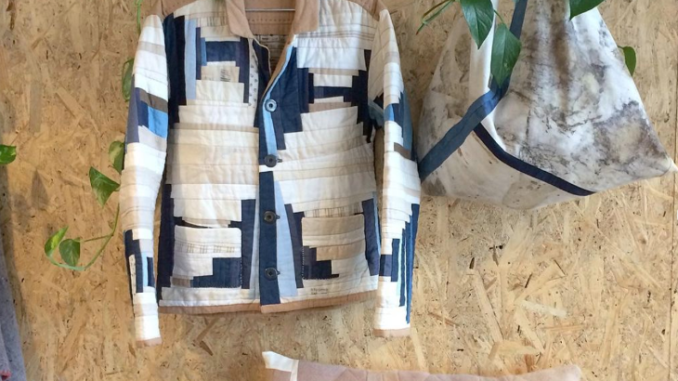
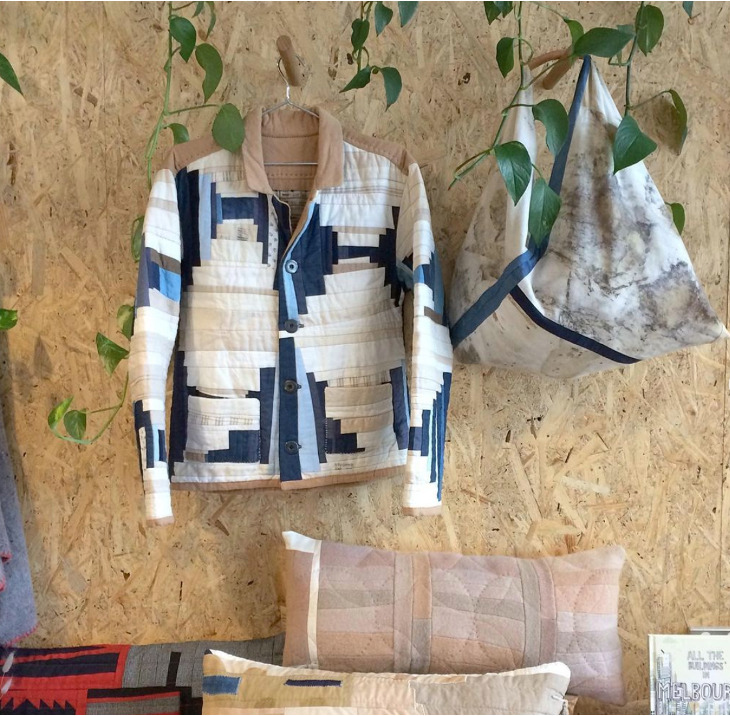
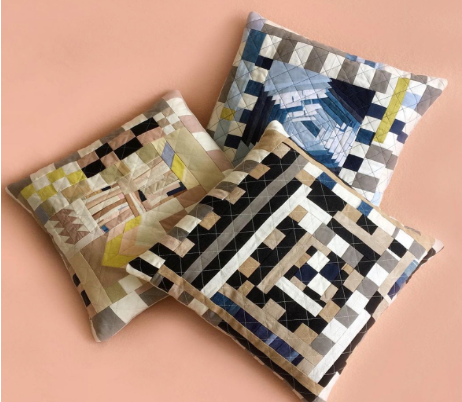
Upcycling in fashion is beneficial for a number of reasons, including that it impacts the environment a lot less. “The Anthropocene epoch and the ecological impacts of human life on Earth, including biodiversity loss, and the acceleration of climate change, are evident,” said Phong Chi Lai, owner of Studio PCL.
Lai is a textile artist based in Melbourne who creates quilts, cushions, and accessories from up-cycled cloth and natural dyes. “As the work is created using natural fibres and dyes, it will decompose completely at the end of its life, leaving behind nothing but a memory.”
Diaz says that upcycling could be a game-changer when it comes to how we look at fashion. “I think that aside from helping the environment and helping to limit the huge amount of fashion waste that happens each year, up-cycling helps us to get a little bit more comfortable with the fact that our clothing doesn’t have to be perfect,” he says.
“It doesn’t have to be spotless or even perfectly fitting – it’s a way for you to express yourself, and doesn’t need to be this perfectly new object in order for it to be wearable.”

Instagram: @studiopcl
Connection and ownership
The process of up-cycling fashion creates a connection and a sense of ownership that fast fashion otherwise doesn’t do. “I think the human element is a big factor,” said Lai. “People are more connected to an object if they know who made it.”
For Ferencz, it is the interaction between the producer and the buyer. The fast fashion industry lacks the compassion and empathy that should be given to the people who make the clothing.
“We don’t know their names, we don’t know what they wear, we don’t know anything about them,” she said. On the other hand, there is much more involvement in small and sustainable brands. “It’s a whole experience.”
The hardest part of trying to divert people from buying unethically produced clothing to more sustainable garments, such as up-cycling brands, is the mentality behind it all. When asked about whether up-cycled clothing will take over in future, Francisco replied: “Wouldn’t that be awesome?”
“We’re far from that…a lot of things should change,” cautions Ferencz. Phong agrees with her, adding: “There needs to be a cultural paradigm shift for this to happen.” The question is not if the fashion industry should change, but when. It is the second largest polluter in the world, after the oil industry. That is why things need to change.
Simple solutions
Ferencz says that consumers are not only becoming more aware of the negative impact fashion has on life in general, but they are finding and taking on board simple solutions to counteract this.
“I met these guys, typical university guys, who don’t know how to cook, don’t know anything, but they fixed their clothes with colourful thread,” she recalls.
People nowadays are embracing the fact that fashion is a medium to express oneself, as well as a way to reflect one’s personality. It is no longer about one’s social status or trendy style. That is why up-cycling is the next step.
Leave a Reply