
By Sam Sorabjee
For the past decade, there has been pressure on the fashion industry to become more sustainable. The subject has been much talked about, yet we have seen little change from the biggest players in the industry, with the subject seemingly being neglected from top-level executives.
So it’s not that surprising that the responsibility has fallen onto the next generation of designers to lead the way, finding new ideas to evolve how clothes are designed ethically and sustainably. Their work been on display over London Fashion Week, as they look to change the way we consume clothing.
Three people who are completing their MA at Central St. Martins are trying to change how we see the fashion industry.
Using deadstock
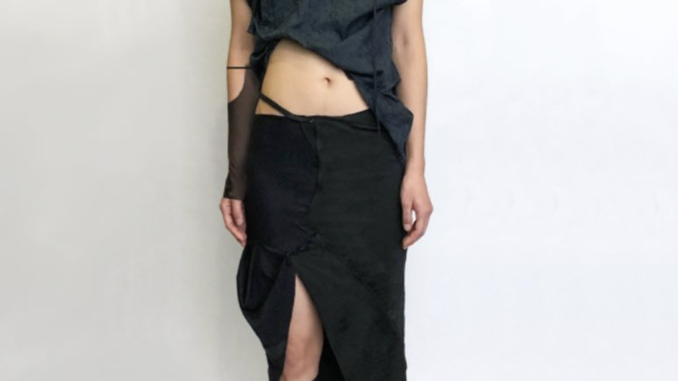
Eleanor Chapman, 24, is studying MA womenswear. Her collection looks towards upcycling as a method to create more sustainable clothing.
“In previous work I had used deadstock materials,” she said. Deadstock comprises leftover material not used in production – this would otherwise go to waste.
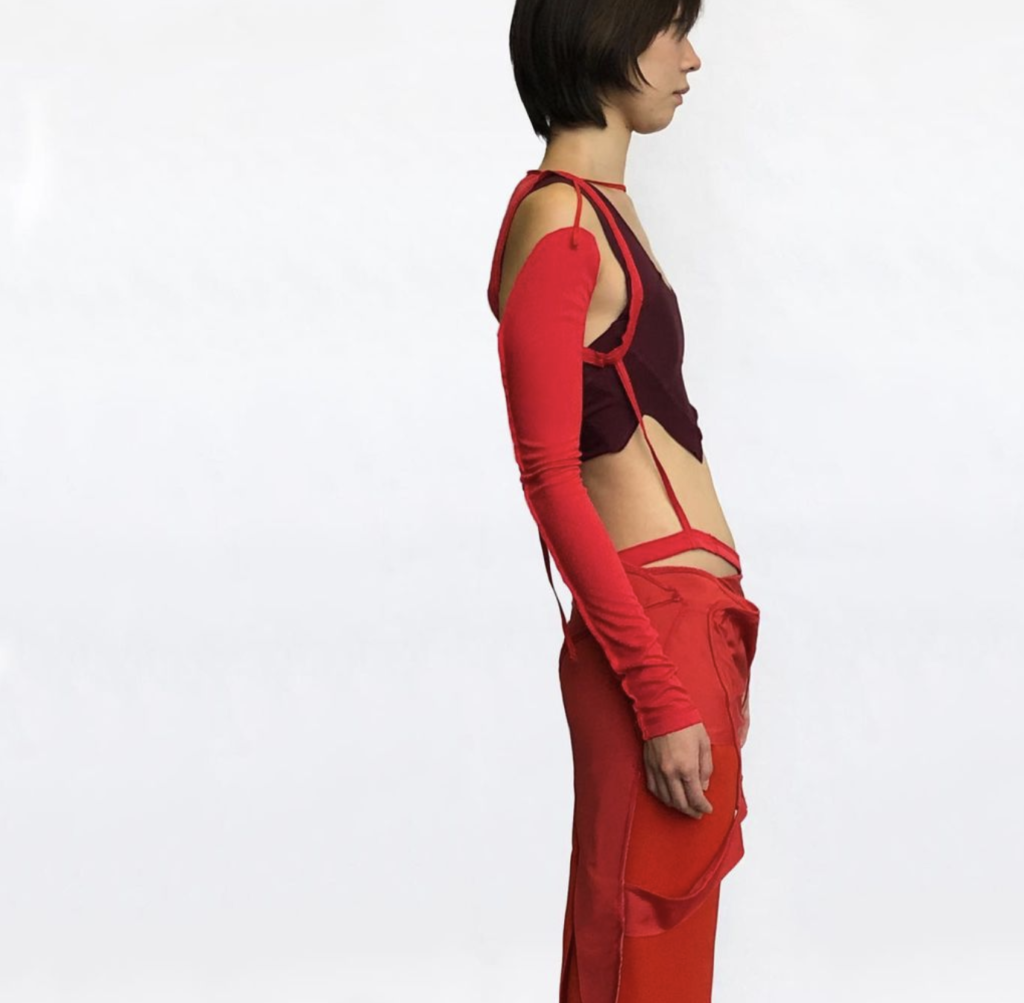
“Moving into my masters, I wanted to attack sustainability in a different approach. I took reference from an artist, Jessi Reaves, who sculps with pre-existing furniture, reworking materials she is familiar with into an unconventional form. I wanted to apply that process to clothes.
“I do not use any virgin materials, which use a lot of resources on the planet. For example, denim uses huge amounts of water, land, and energy to make, whereas when you use something that is already exists, it has already gone through that process.
Chapman also explained how being resourceful helps to eliminate a lot of the waste that exists from the fashion industry. Much of the waste ends up in landfills, and she highlighted that this had contributed to environmental disasters in places such as Ghana, where a lot of the UK’s unwanted clothes end up.
Not using virgin materials is a huge task, but it can be achieved by big companies – with brands such a Marine Serre leading the way. Its implementation is difficult as companies will have to restructure their business. Many will not undertake this due to the requirement to change their business model, changing their margins, the way they work, and infrastructure in the factories. It can be achieved, but the effort must be put in.
Applying new technology
Mark Chapman, 25, is currently doing MA menswear. “I am inspired by new processes in fashion, looking for ways that technology can influence new process, to help the designer and evolve the way we work.
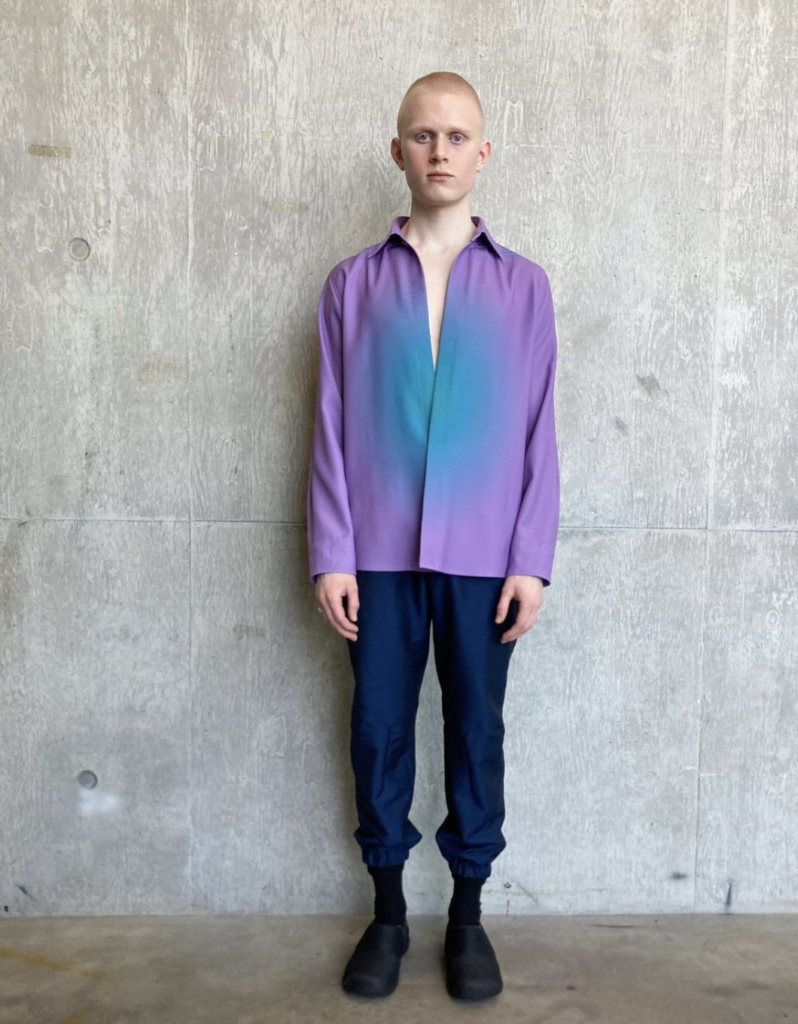
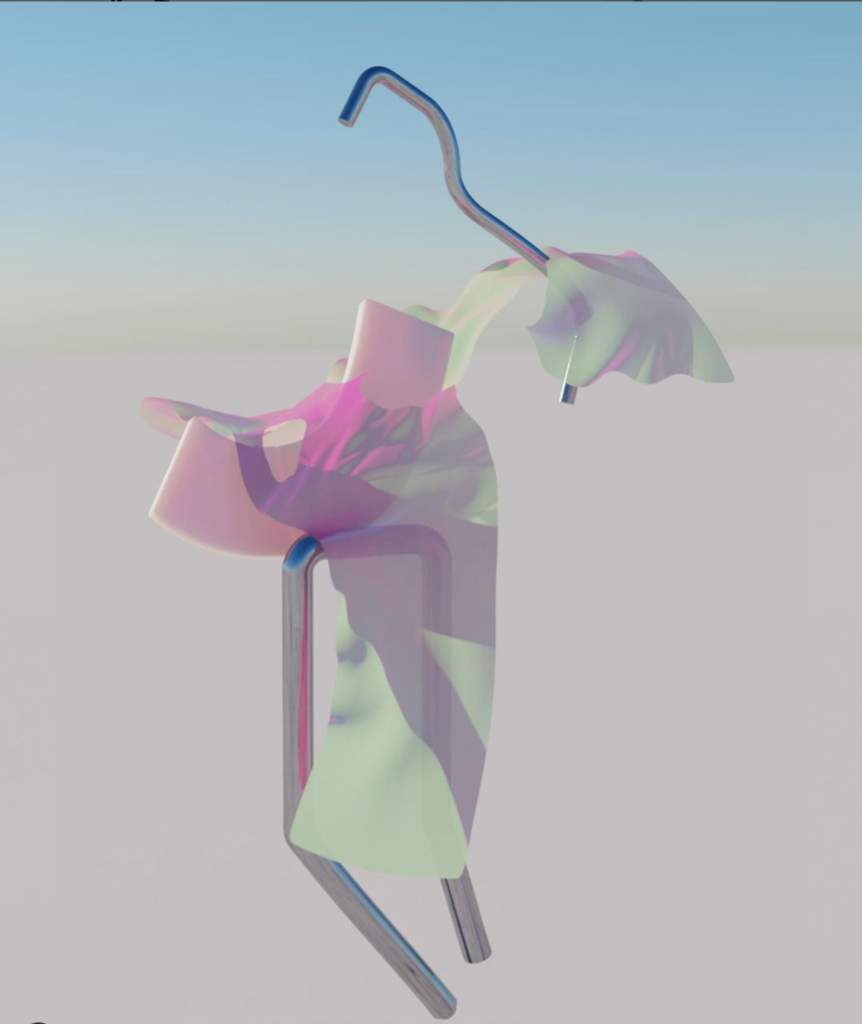
“There are two ends to my process; at the beginning, there is picking an abstract concept or abstracting a garment archetype. Then I turn that into a 3D image that can be used as the primary research as the garment development. At the end of it, once the garment is designed, it can be then re-created in 3D.
“In the industry now, there is a lot of imagery the suggests the use of technology, but there are very few people that use it as part of the design process. It is something that still needs to catch on.
“When you’re looking at garments as an object in virtual or augmented reality, it explores new ways that fashion can be used and seen, changing the design process to become more fluid and less laborious.
It is important to recognise the size of the fashion industry, and the complexity of creating change in an industry that employs 40 – 60 million people worldwide. Much of the pressure comes from the sourcing of materials, with demands for lower costs.
Restoring old techniques
Pauline Dujancourt, 27, is on the MA Knitwear course. “With my collection, I wanted to bring things back to the idea of craft, restoring old techniques that gets passed down by generations and lasts forever.
“I make sure the yarns I use to knit have been through the recycling process. Wool is also an extremely sustainable material as it just comes from sheep and biodegrades very easily.”
“In order to create change, I don’t think you need to be anti-affordable clothing, I think you need to be anti-fast fashion. The speed of the whole production cycles and poor-quality leads to a lack of sustainability.
“The turnaround of clothing is what’s so damaging, we don’t need to be walking into shops and every week there is completely new stock, it’s just insane in my eyes.”
Leave a Reply