

By India Gustin
In the fashion industry, certain terms get used interchangeably. This is true for the words such as ‘sustainable’ and ‘ethical.’ When some brands advertise how ‘good’ or ‘responsible’ they are, they may use the above terms as synonyms of each other. This is an issue when it comes to getting through to customers, especially as it can cause misconceptions.
They both seem to express the same concept: having a positive impact on the environment without harming the surroundings. They have made their way into mainstream fashion, acting as tools to combat waste and pollution.
However, ‘sustainable’ and ‘ethical’ don’t mean the same thing. A brand can easily have one but not the other. A good example is a fashion label can have the most sustainable of fabrics in the world but pay their workers £0.50 an hour. They may be sustainable but they are certainly not ethical.
“Unfortunately these terms have become buzzwords to an extent. So since they’re thrown around a lot, many consumers may not really know the difference,” says Liz Bentley, a product manager for a tech startup and digital creator. She is also an advocate for slow lifestyle.
Ethical fashion focuses on the social side of things. People are put at the forefront of the manufacturing, making sure they are treated fairly. The term if centered around humans, critically analysing each step of the supply chain.
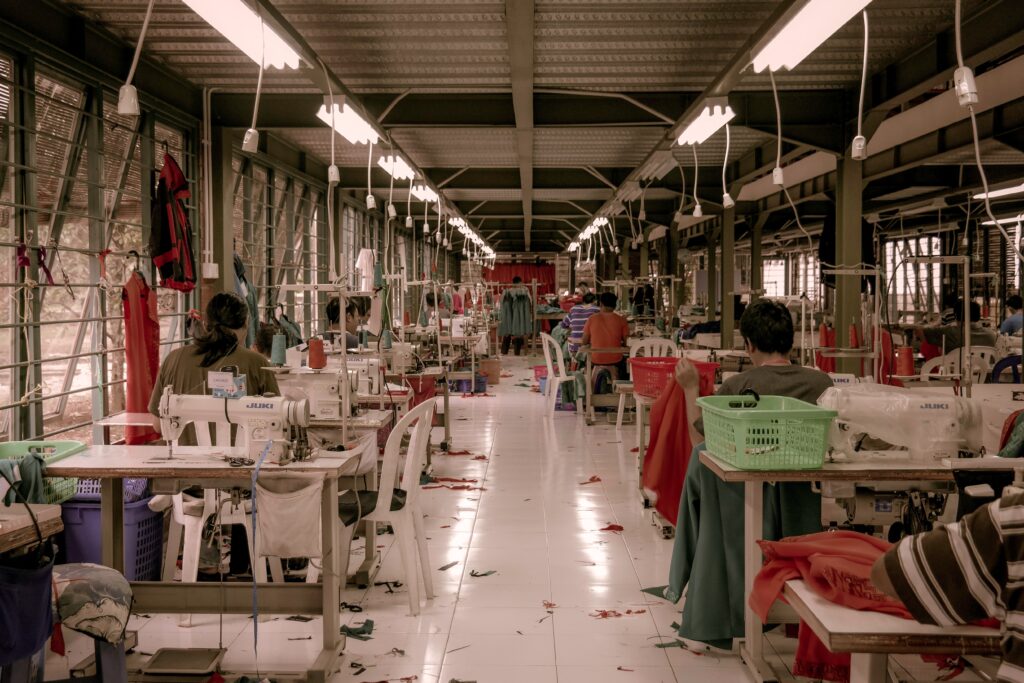
Louise Chipperfield is the founder and designer of Hera Vintage. She says: “To be ethical is to do the right thing, ensuring everybody in your supply chain is treated fairly, in pay and working conditions in an inclusive way.”
There have been numerous examples of laborers working in unfair conditions, dangerous settings and getting paid close to nothing. As we work to combat this, organizations such as ShareHope and Global Labour Justice (GLJ) are working to bring justice to workers treated unfairly in the fashion industry.

“Sustainable fashion is more about the environmental aspects, planet and materials,” explains Lisa Pin, a small fashion business owner based in Walthamstow. It is what so many people talk about. Having a jacket made from recycled cotton is now considered fashionable. So is wearing stylish shoes from a charity shop.
Although both terms shouldn’t be used interchangeably to mean the same thing, they are linked. Where sustainability fails, ethical fashion inevitably gets affected. Harming the environment automatically harms those who need to work in those conditions. “In reality, many companies that are truly ethical will be sustainable as well, since environmental impacts have a human toll,” says Bentley.
There have been numerous studies communicating the damage which fashion factories can have on the environment. The Citarum River in Indonesia is considered one of the most polluted bodies of water.
Dozens of textile factories around the area dump chemicals and discarded waste into the river. About 28 million Indonesians rely on this body of water for drinking. This circles back to how failing in accomplishing environmental sustainability automatically fails ethicality in society.
Knowing the difference between the two words is crucial in making sure that phenomena like greenwashing don’t happen. But being aware that ethical and sustainable fashion fit together like two puzzle pieces is just as important to make sure that initiatives aren’t leaving one behind.
“The issue I see is that these are subjective things and my idea of what is ethical and sustainable is probably very different to someone else,” says Chipperfield. “The key in avoiding green washing and confusion I feel is brand visibility. If you have visibility in your supply chain for customers to see, they can then make an informed decision.”
Justice for the environment needs to act as justice for the human race.
Leave a Reply