
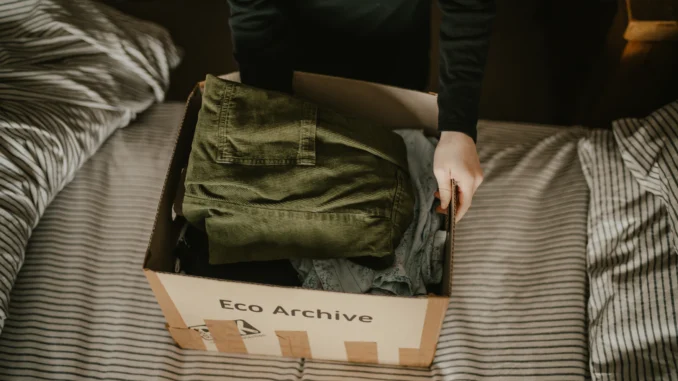
By Grace Shaw, David Pasia and Tia Rawlings
Environmental consciousness is gaining momentum; upcycling has emerged as a powerful and creative solution to address the challenges of waste and resource depletion.
Recycling involves breaking down materials to create new products, while upcycling is the process of transforming waste materials into items of higher value or quality. These approaches not only reduce the burden on landfills but also promote sustainable living by encouraging resourcefulness and creativity.
Lauretta Roberts, Editor-in-in-Chief of TheIndustry Fashion, says consumers are starting to lean into becoming more conscious about consumption and sustainability. However, she believes the responsibility to do better should mainly be shouldered by large fashion companies.
“Much is being made of consumers leading more sustainable lives, and there’s a sense that that has heightened since the pandemic started, and I think that’s true but for me the big gains to be made in fashion are changing the production model and for brands to take a more circular approach (i.e. not just washing their hands of a garment once it’s been sold),” she told Holloway Express.
While conglomerates should be leading the charge in sustainable practices, small, independent brands have been quick to adapt to the social climate.
April Presa, owner of April Studio, employs the art of macrame to produce her brand’s accessories. “My macrame bags are made from textile waste. Instead of these materials being in landfills, which will take years to decompose, they are given new life and purpose,” she said in an interview for Holloway Express.
One of the most appealing aspects of reusing materials is the opportunity for self-expression and individuality. Artists, designers, and everyday enthusiasts alike are drawn to the freedom and creativity that come with transforming discarded materials into unique pieces of art or functional items.
Roberts loves the notion that artisanal goods are on the uptrend.
“I like the thought of skills being built and retained when it comes to manufacturing by hand and it’s nice for the consumer to know that so much love and care has gone into a garment or accessory. Also these things will be built to last,” she said.
“I read a report this week that Prince Philip had a pair of shoes that lasted for more than 70 years and he just kept having them resoled. They were handmade shoes and timeless in design – it would be nice to see more of that. It’s the ultimate in buy less, buy better.”
Reusing not only sparks creativity but also carries significant environmental benefits. By salvaging and repurposing materials, the demand for new resources is reduced, lowering the environmental impact associated with extraction and production. This, in turn, helps minimise energy consumption and greenhouse gas emissions.
Several industries and individuals have embraced reusing waste with remarkable success. For instance, fashion designers are using discarded fabrics or other waste materials to create unique clothing lines.
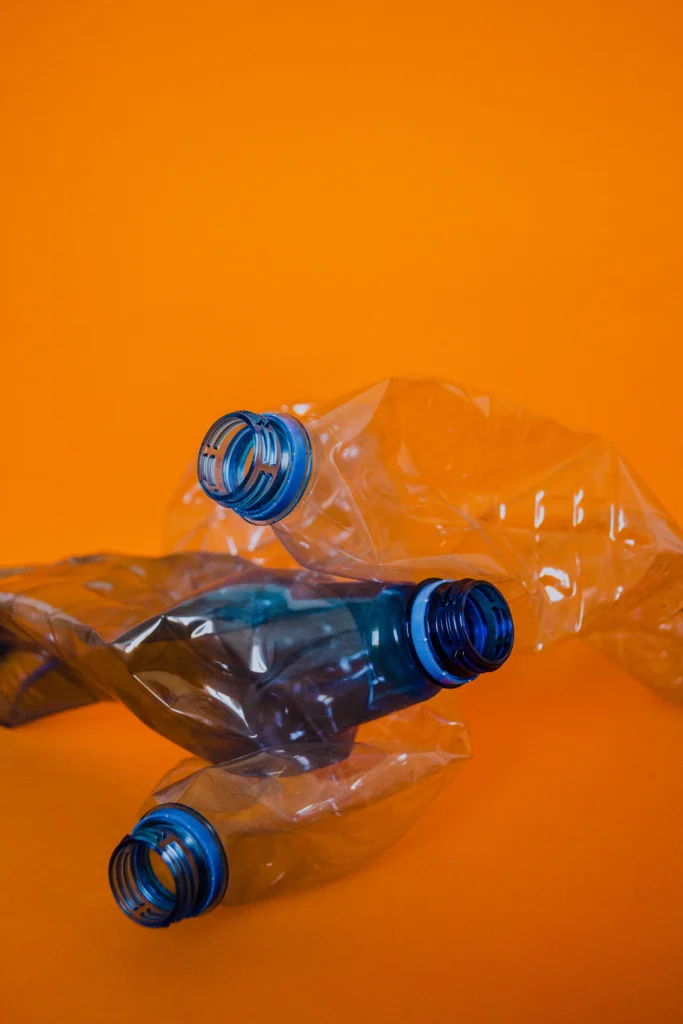
Brandon Chan is the owner of clothing apparel brand BYLON and is an example of a business owner who has employed this practice.
He says, “We believe our brand is sustainable as we utilise materials that are of a recycled material. For example, using recycled nylon, which has been produced using recycled plastic bottles and fishing nets sourced from oceans and landfill sites.
“This allows us to tap into the market with methods known as ‘circular designs’ as we use currently unused waste to produce a brand new product/material.”
Upcycling and recycling represents a powerful and positive shift in the way waste and consumption are viewed. It encourages people to rethink their relationship with the materials around, inspiring creativity, promoting sustainability, and reducing environmental footprint.
Now, it is up to the big brands to carry the torch and enact their responsibility to the planet.
Roberts says, “What brands need to do is take responsibility for garments after they have been sold. Facilitating recycling with collections in-store, offering discounts on new products for every old one returned, or offering services such as rental, resale and repair.
“Otherwise you are just selling people yet more stuff, and, yes, your stuff might be made in a better way than someone else’s but you’re still making a footprint on the ecosystem.”
Leave a Reply