

by India Gustin
Sustainability has become a hot topic within the fashion industry. Although it may seem that we constantly refer back to it, actions and decisions may not be taken as seriously as needed. The panellists at the debate from London Metropolitan University’s Journalism course, Fashion Reborn: Reuse and Rethink, discussed this as well as other issues.
The panel consisted of Delphine Chui, Caroline Ash, Ross Pollard, Tina Charisma and Brooke Roberts-Islam. Each had their own perspective on just what more is left to be done but also reflecting on what has already been done to tackle sustainability issues in fashion.
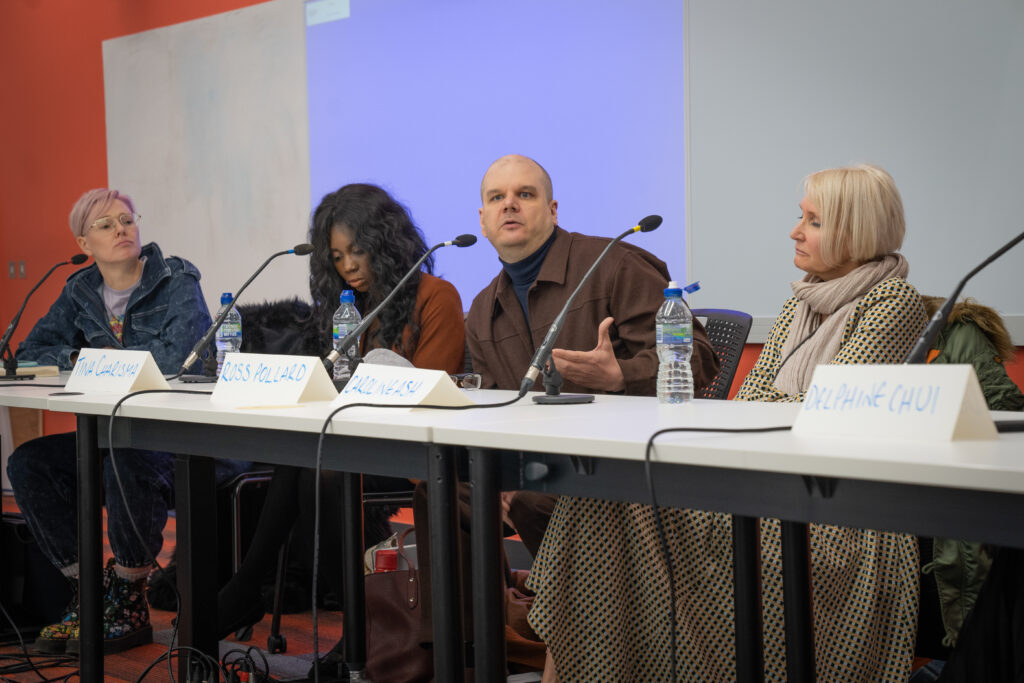
Delphine Chui is an award-winning editor and sustainable fashion brand writer. She stressed that as journalists and consumers, we have a lot more power to make a change than we think. Understanding how influential our decisions are in the buying process is the first step in working towards a more sustainable future.
This point was shared by Caroline Ash, Director at Fashion Enter/Fashion Capital. She made reference to how constantly buying from fast fashion brands isn’t going to make the problem go away. On the other hand, focusing on sustainable brands which may currently be a bit more expensive now, will inevitably drive down the price if we buy their products over unsustainable brands.

“Sustainability is such a huge buzzword,” said Chui. This is has become an issue especially when it comes to educating people on the topic. The panelists linked this concept to that of ethicality in fashion. Although they may refer to two different aspects in the field, they were all adamant that there isn’t one without the other.
Brooke Roberts-Islam is a sustainability journalist, artist and public speaker. She said that sustainability and ethics “are inexplicably linked”. Ross Pollard, Asia Pacific and Emerging Talents Fashion Editor at Millionair Magazine, agreed with her: “Absolutely, the two must go hand in hand.”
However, this concept is being talked about a lot. Roberts-Islam believes this to be because of the lack of framework that the term ‘ethical’ was given when it first started being used in CSR (Corporate Social Responsibility). She pointed out that the fashion industry therefore needs better tools to directly measure their levels among brands.
One particular question which resulted in an answer to get a round of applause from students regarded the stigma around charity shop clothing. To that, Pollard began his response by saying: “I am wearing a charity outfit right now.”
All the panellists agreed on how many people do actually buy their fashion from second-hand shops. Chui even mentioned that models in editorial shoots usually just wear their clothing which they got from charity shops. “Flaunt it, push it, love it and don’t worry about the responses of people around,” Pollard finished off.
One topic which had to be touched on during the debate was that of the current war going on between Russia and Ukraine. Although fresh, the panellists had a lot to say about how this linked to sustainability and ethics in fashion.
Chui referred to how looking sustainability through this new lens is a shift in mindset. She goes on to explain that although the headlines have changed to a terrifying reality, the sustainability issue is more important than ever.
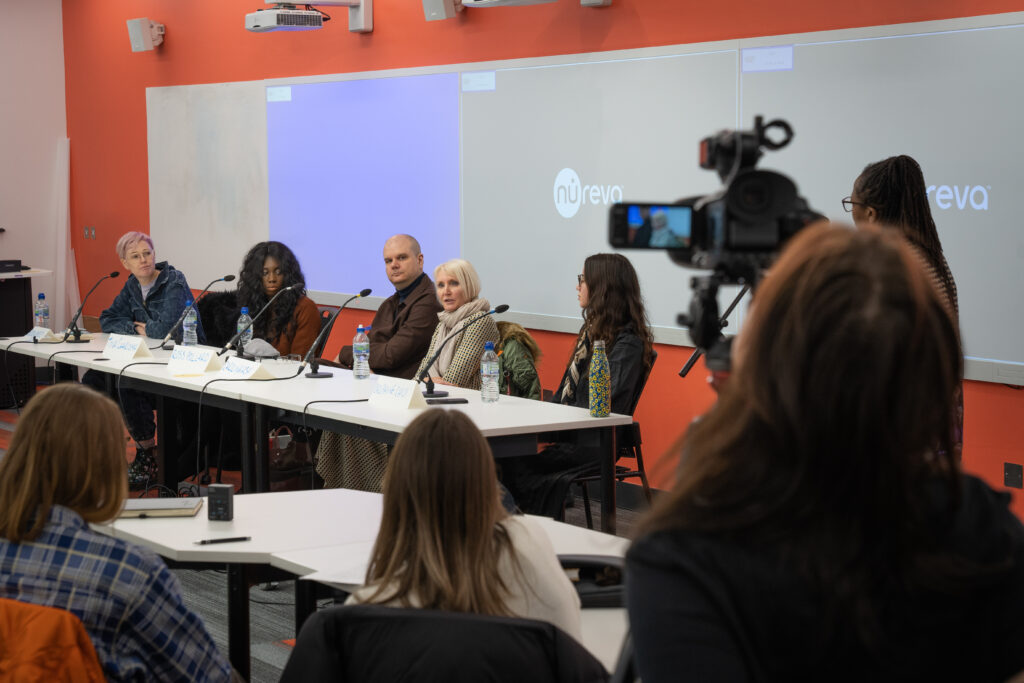
Tina Charisma is a Communications Specialist and Sustainable Solutions Advocate. Her view on the matter covered how rooted sustainability is. Therefore, no matter is happening around the world, this issue will always remain in the back of our minds.
Ash followed up with: “We can’t let it go away. As horrible as it is, we shouldn’t stop pushing for sustainable practices.”
One of the final points which was talked about in the panel was just what big fashion brands are currently doing to solve the sustainability problem. One student referred to them not doing enough, and that smaller businesses were actually doing a lot more than larger ones.
Roberts-Islam disagreed with this view, insisting that big investments is where the solution lies. As she focuses on material science, she knows just how important it is to correct the sustainability flaws in materials. This is where the big brands come into play: “On the ground, there is a lot of investment happening.” They are the only ones with enough money to make a difference in this regard.
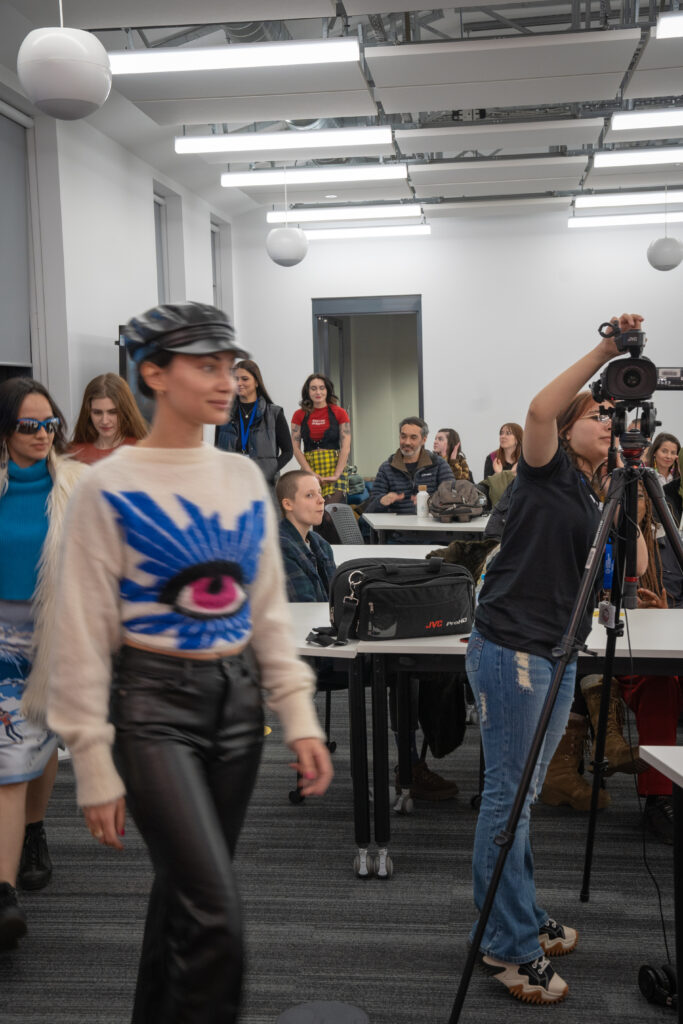
Once the panel concluded, some students put on a great catwalk. They flaunted off their own looks by wearing clothing which they sustainably sourced, whether from charity shops or their mother’s wardrobes.
Leave a Reply