
By Florentina Cercel and Olivia Snaith-Cairns
Young people suffering from mental health have had a hard time with isolation during lockdown. It’s been even harder when they required treatment face-to-face – restrictions made it almost impossible.
Obsessive Compulsive Disorder has been popularised on social media platforms. It became a trend, with some people inaccurately self-diagnosing. This created a confusion between people who suffer from the disorder and people who don’t, reports OCD UK .
According to NICE guidelines, OCD is characterised by compulsions and obsessions that can cause significant functional impairment and/or distress.
It’s estimated that between one an two percent of the population have OCD, although some studies put the figure at around three percent.
“I realised I had OCD in my final year at uni,” said Katia Greenwood, a graduate from Sheffield Hallam University with a BA degree in Fine Art. “In a lot of ways I thought the insane amount of planning I did was helpful but really I was just burning myself out.
“I would also set off extremely early for everything because being late would result in something bad happening.”
The 23-year-old said, “Moving away from my family also resulted in a lot of intrusive thoughts about them getting ill or dying and me not being there.”
Helping people to understand
Intrusive thoughts are a common symptom of OCD. Some people try to escape them by carrying out a compulsive ritual or behaviour, such as checking 100 times that the front door is locked or that the gas stove is turned off.
But that’s not all the disorder is about. “If I can clear up the misconceptions that characterize our understanding of this disorder, maybe I can help other people avoid the same suffering I’ve gone through,” said Alyssa-Caroline Burnette.
Burnette, a PhD student at the University of Southampton and a member of the Student Minds editorial team, a UK mental health charity, has shared her experience with OCD on their blog. She hopes that she can use her voice to bring more clarity to misunderstood topics such as mental health.
Burnette talked about the common ‘lies’ OCD tells her and ways of coping through therapeutic techniques such as simple reminders and affirmations that something is a neutral thought until a meaning is added, steering her clear of arguing with her symptoms.
“Arguing with OCD will only invite it to generate more horrible thoughts like ‘You’re lying to yourself,’ so you should never argue with OCD,” Burnette said.
‘Instead, acknowledge the thought and allow it to come and go in a neutral state. Remind yourself that intrusive thoughts do not carry intrinsic meaning; this can help you to break the obsessive compulsive cycle and avoid believing that your horrible thoughts are true.’
Obsessions are time-consuming and get in the way of people’s lives. The coronavirus pandemic caused issues for many individuals suffering various disorders.
Sean Fletcher, BBC journalist and television presenter, appeared as a panellist at London Metropolitan University’s Journalism debate ‘Student Mental Health: Will we bounce back after Covid?’.
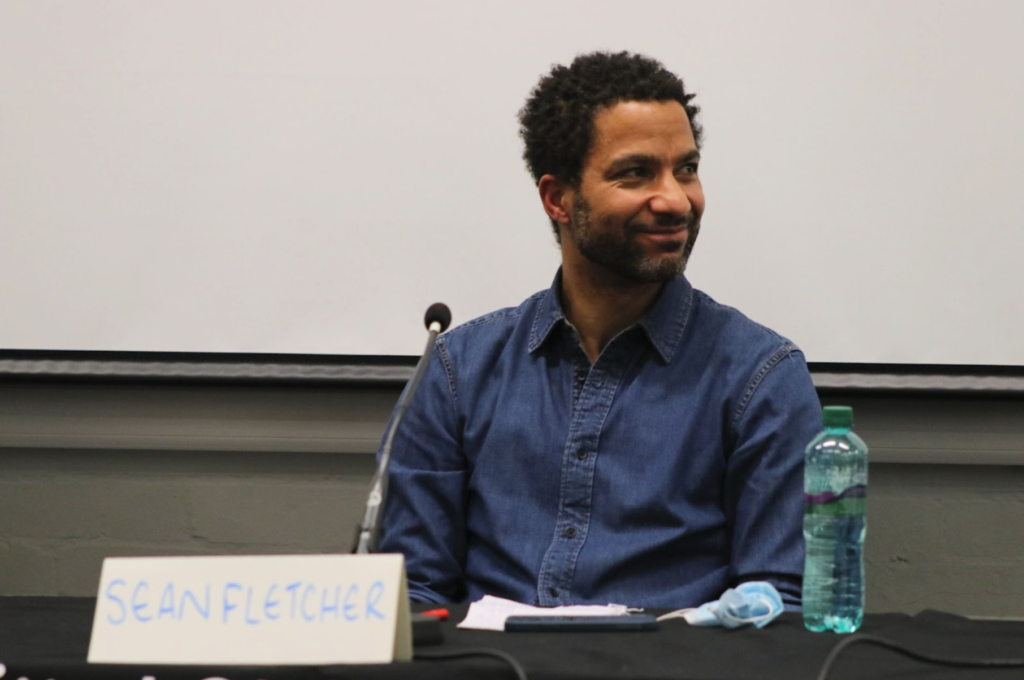
Fletcher, 47, has a son who has been diagnosed with OCD and is a Young Minds ambassador. He said: “There’s a lot of ways that lockdown has affected people with OCD, especially those in treatment.
“Lockdown for people having face-to-face treatment has set back their progress.
“Some people go on social media and say: ‘I’m glad I have OCD because that means I’m tidy.’ That’s not OCD… we all have rituals; when it disrupts your life it’s OCD,” said the BBC journalist.
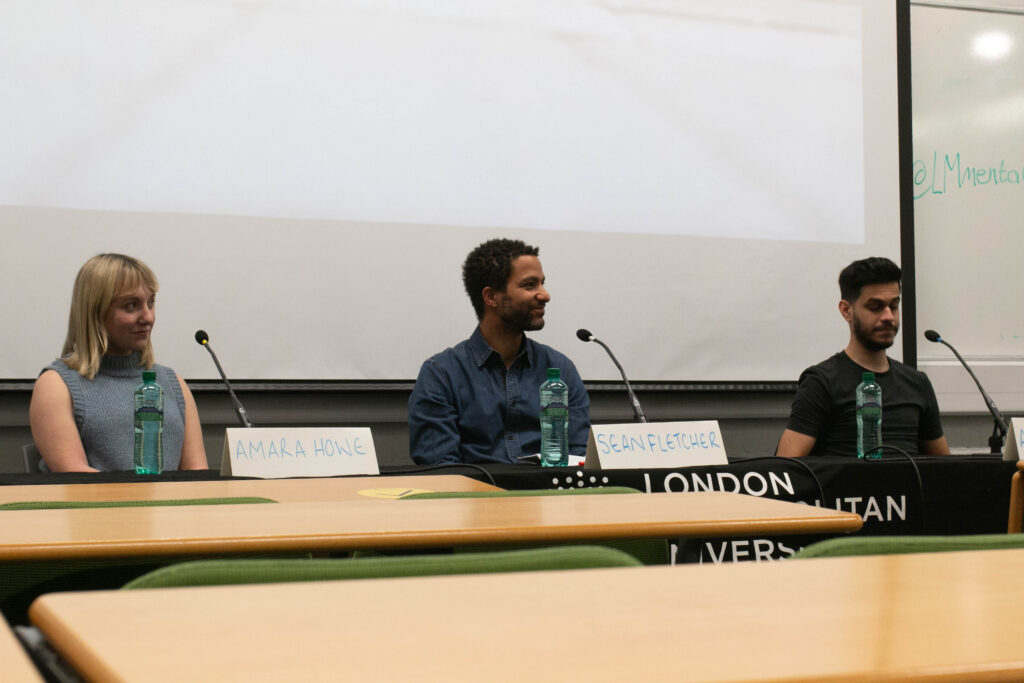
“Social media is an awful place for self-diagnosis when it comes to mental health. At the end of the day, there’s plenty of misinformation,” said Aaron Patel, Editor of Mental Magazine, which concentrates on the wellbeing of university students.
Sean believes the pandemic has been a huge setback for people with mental health issues, including OCD. He says: “It was a setback for the individuals who were making good progress” when they started receiving treatment via Zoom or some other digital platform rather than face-to-face treatment.
He adds that people who were forced to stay at home 24 hours a day due to lockdown, suffering with intrusive thoughts with no distraction and treatment, found it very difficult.
If you need to talk to someone about mental health, whether about OCD or other disorders, Mind gives a list of helplines and support services.
Leave a Reply