

By Claire Shaw and Glwadys Beya
“Mental health doesn’t just affect the person who is struggling, it affects everyone around you. OCD was tearing our family apart.”
Sean Fletcher is a journalist and television presenter, well-known for his work on Good Morning Britain and Countryfile. But it’s his work as an ambassador with the charity Young Minds that really sets him apart.
Fletcher, 47, said he knew nothing about mental health until his son Reuben became ill with OCD, or Obsessive Compulsive Disorder.
“Some people go on social media and say: ‘I’m glad I have OCD because that means I’m tidy… That’s not OCD… we all have rituals; when it disrupts your life it’s OCD,” said Fletcher, who was a panellist yesterday for the London Met Journalism Student Mental Health Newsweek,
“You spend the weeks and months learning about the issue that you are facing and that your child is facing,” he said earlier in an interview with Holloway Express. “Young Minds was one of the first charities we went to.”
Fletcher said that like any parent faced with their child’s mental health diagnosis, he was desperately worried. He needed someone to turn to who could provide clear information, which is what Young Minds offered.
“It’s going to be a long journey but their website is really good,” he said. “They helped me to start with; now I help them.”
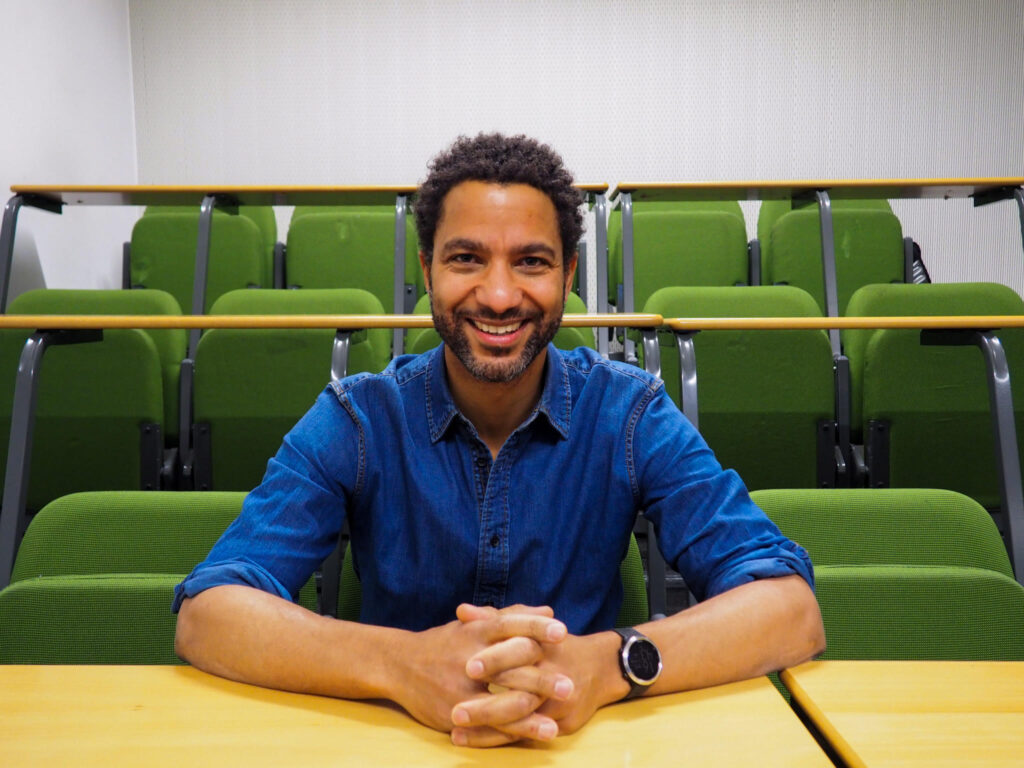
Affecting family relationships
How did the diagnosis affect his family relationships? “Seriously, mental health across the board doesn’t just affect the person who is struggling, it affects everyone around you,” he said.
Statistics from the Mind charity show that one in four people every year will struggle with mental health issues in England alone. Do you know someone? Fletcher said: “You do, you just don’t know it.”
Sean feels that physical health is addressed quicker and more directly than mental health. “A broken leg can be seen, but mental health can not.”
Parents fearing judgment is a common problem, Fletcher said, but Young Minds helps people realise they are not alone. “There are tens of thousands of families suffering; there’s something about that, I’m not alone. It’s amazing what sharing can do.”
But NHS mental health services like the Child and Adolescent Mental Health Service (CAMHS) are stretched and under funded, something Fletcher shone a light on during a recent BBC Panorama documentary he made.
Children and families are subject to long waiting lists and often are not able to access the help they need – until an admission to A&E after a serious self harm or even a suicide attempt, he added.
The system is failing too many young people, he said. “We can’t wait for people to be chronically ill then put them into hospital.”
Fletcher himself struggled to talk about his son’s condition at first. He had not discussed it with anyone outside of his family until he met Prince William at an event run by Heads Together, a mental health charity run by the Duke and Duchess of Cambridge and Prince Harry.
Fletcher was running the London Marathon to raise money for the charity and when Prince William asked him why he was running. Fletcher replied: “Because my son has OCD.” He was worried that he had revealed a family secret, but it turned out to be the best thing he ever did.
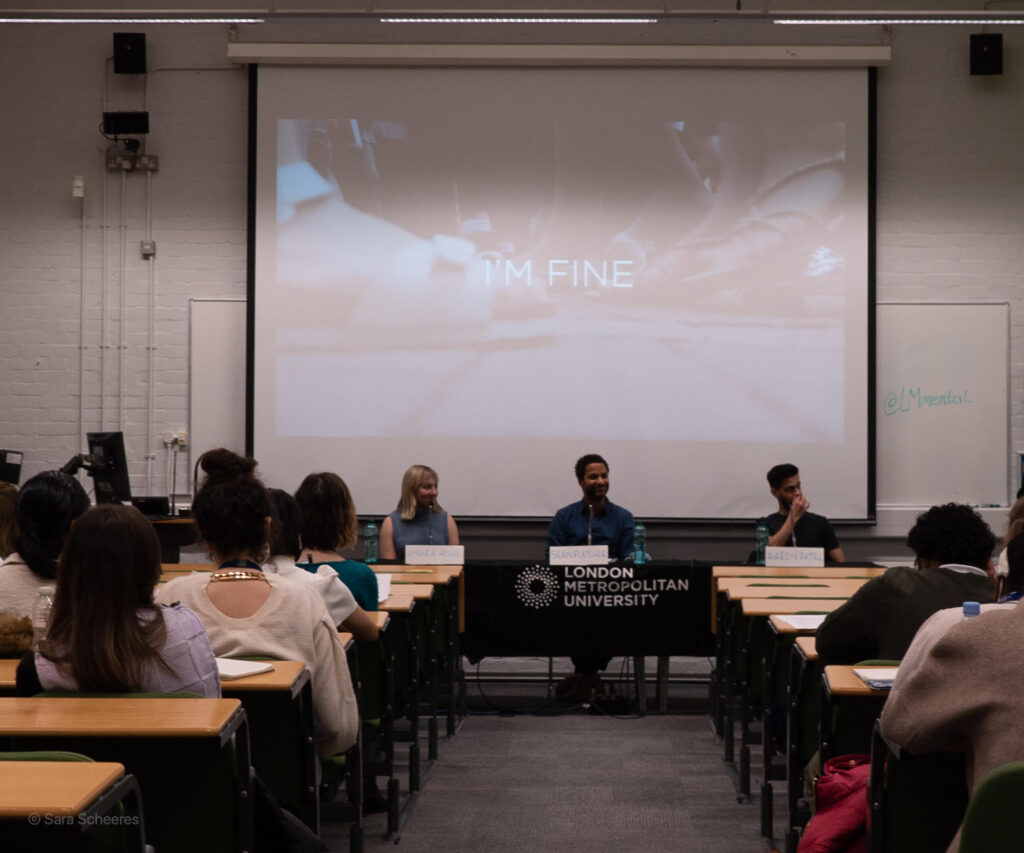
Long-term effects of Covid on mental health
Fletcher expressed his worry for the younger generation and the long term effects Covid and the lockdowns may have on their mental health. Despite children and teens being the least affected in terms of the severity of the illness, he believes they are most affected by the social restraints in place because of Covid.
The long-term effects on their social development and mental health is concerning, and Fletcher feels a whole generation will suffer.
Fletcher is the first Black, Welsh-speaking presenter and has paved the way for other young Black people within the industry. Does he feel pressure to be a role model for young Black people? “I don’t go into work and feel, oh gosh this pressure, I’m representing all these people; but someone might say I’m doing this because I saw you do that. It just makes me feel proud.
“It’s really important that we’ve got a broad sense of representation across the board on screen, politicians, lots of jobs, really important jobs. Black kids can do those things but they just don’t believe they can.”
He adds that the persistence of harmful stereotypes contributes to poor mental health. “There are a lot of young Black men who are often put in a box and assumed to be a certain thing: aggressive, criminality… It’s a stereotype we have to deal with day in and day out and it’s exhausting,” he told the Newsweek panel.
What changes does Fletcher hope to see? ”We need to create environments where people can talk about mental health but it has to be backed up with money and action. It’s shocking how overworked the staff are and how long the waiting lists are.”
There needs to be more focus on treating mental health before a young person needs hospitalisation, he added.
“We need community centres where people can go just focused on mental health” – small centres for the individual rather than huge organisations that tend to put all people with the same condition in one box.
”We need this all around the country. There’s so much that needs to be done.”
Leave a Reply