
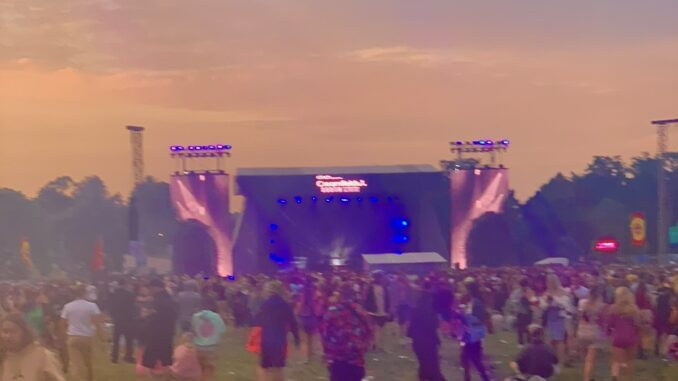
Welcome to the wild world of noise pollution brought to you by outdoor events– where the only thing louder than the music is the collective gasp of the local wildlife.
By Grace Shaw
In recent years, outdoor festivals, concerts and other events have become increasingly popular, drawing massive crowds eager to immerse themselves in the euphoria of live music. While these events offer an unparalleled experience for music enthusiasts, they also raise concerns about the environmental impact they leave in their wake, particularly in terms of noise pollution.
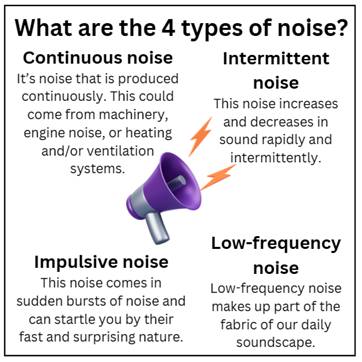
Noise pollution refers to the excessive, disruptive, or harmful sound created by human activities. Outdoor festivals and concerts contribute significantly to this form of pollution. The environmental impact can be severe, affecting wildlife, ecosystems, and even nearby residential areas.
Infographic: Grace Shaw
Dion Mariyanayagam, 25, experienced engineer and a lecturer at London Metropolitan University, said: “Sound pollution and air pollution are connected together because the more the more things that are going on the more likely you are consuming the fuel that has produced that.”
“With sound pollution it’s the lower frequencies that travel. The lower the radio wave, the higher the range you have. If you go to a music festival in a field look at the ground and see if the worms are coming out because low frequencies vibrate and penetrate the earth for quite a long way and that vibration mimic rainfall which then affects the eco-systems.”
The loud and persistent noise from outdoor events can disrupt the natural behaviours of wildlife in nearby ecosystems. Animals may experience stress, altered migration patterns, or changes in reproductive habits, leading to long-term ecological consequences. Sound pollution can interfere with the communication and navigation of various species, disrupting the delicate balance of ecosystems. This disturbance can have cascading effects on the biodiversity and overall health of the affected areas.
Researchers from Queen’s University, Belfast investigated the effect of noise on a wide range of animals. “We always talk about climate change, chemical pollution, plastic pollution and habitat destruction but noise especially in urban areas can really have a negative impact on animals as well,” they wrote in the journal Biology Letters.
Dr Hansjoerg Kunc, co-author, told the Guardian that noise “can change the species composition of an area, and then of course lose the function of an ecosystem.”
In addition to the environmental impact, sound pollution from outdoor festivals and outdoor events pose significant risks to human health. Exposure to high levels of sound for extended periods can lead to permanent hearing damage. The intense decibel levels at outdoor events put attendees and even nearby residents at risk of hearing loss or other auditory issues.
Mariyanayagam said: “The apartments near the Emirates stadium have quite good insulation in their windows so some people may not actually notice that there is a game going on because they have good sound pollution.”
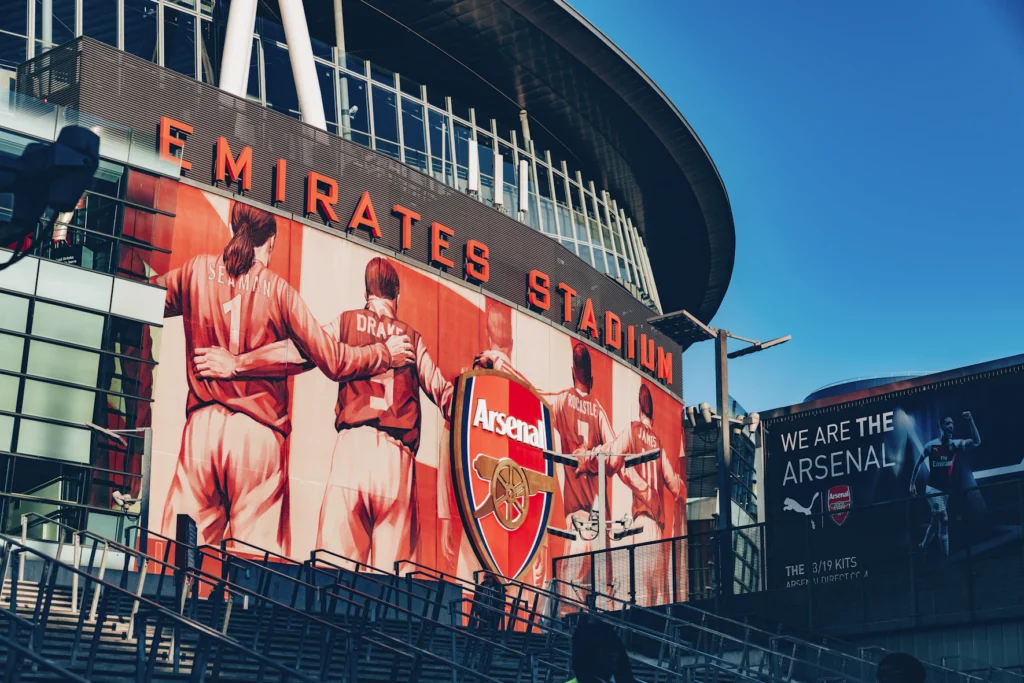
Photo by Unsplash
Jane Rafferty, 47, Finsbury Park resident said: “Sound pollution affects my sleep and I’m hypersensitive to sound. Sound pollution is such a real problem and affects literally everyone to the core. Living in London affects my hearing and I know it can’t be could for my health.”
Rafferty explained that she can hear the difference in sound pollution when she visits more rural areas but for her sometimes feels too quiet.
While the allure of outdoor festivals and concerts is undeniable, addressing the issue of sound pollution is crucial for the long-term sustainability of these events and protecting eco-systems and people’s health.
Leave a Reply