By Chibueze Oyo
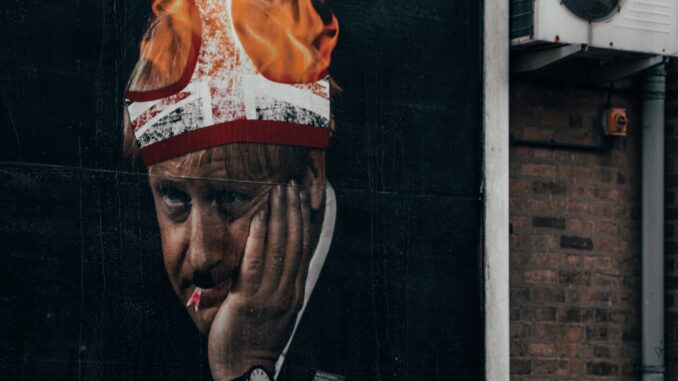
Nothing in this world can be said to be certain except that the poor will get taxed and the wealthy will live happily ever after – according to the Tories, that is.
Despite the current cost of living crisis, Boris Johnson’s government claims that they have done all that they can to combat it and that it’s simply beyond their control.
So, who is to blame?
We are taught about the fairness of our Liberal Democracy, the purpose of the different political branches, and their individual responsibilities. After all, they are meant to prevent abusive power. But in recent years we have found that the responsibility to delegate accountability requires more than the prehistoric structures of politics.
Who will keep the government in check when they attend Christmas parties whilst the rest of us have been assigned clean-up duty, tasked with clearing up the mess which they created in the first place?
Former Civil Servant, Jaylen Ross, 25, believes that the government does have our best interest in mind, but more can be done to support people in financial difficulties.
“I do think the government is committed to supporting Londoners, but the crisis has propelled everyone into a situation of financial hardship, even the government. Ultimately, more can be done,” Cross said.
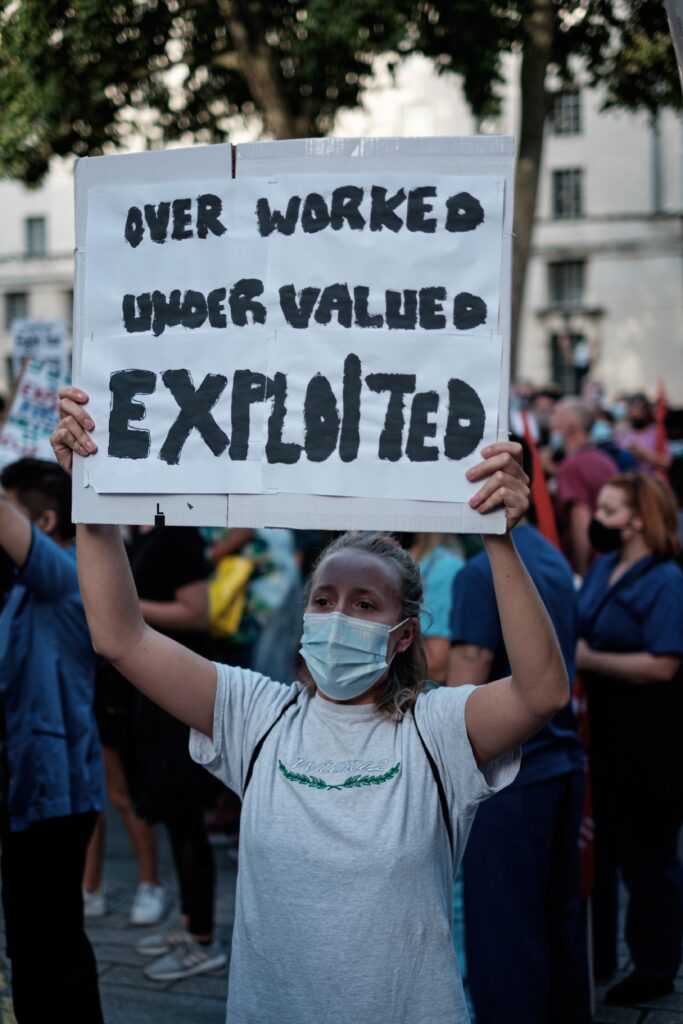
“Things need to be done differently with greater transparency to the public. Workers feel as if they don’t have a real safety net reluctant to rely on the services provided by the government. People want to see the government act on matters that truly affect them, like stepping in to combat rising energy bills, not another raise in taxes that will most affect the working population.”
Bad governance
Eight months ago, former PM Chief Aide Dominic Cummings told a Commons inquiry hearing that he had endured constant government failings in his line of duty. What was key was that there were no real oppositional forces in play to combat the excessive use of the power of the Tory government, he said.
This teaches us that many political disasters aren’t due to misinformation nor are they inevitable: they are simply just down to bad governance.
Last week, Johnson’s government stood accused by Labour for creating a “cash for access” culture, with wealthy Tory donors charging for meetings with top policymakers.
A couple of months back, the Chancellor, Rishi Sunak announced a tax cut for bankers worth up to £1 billion a year, whilst hiking the national insurance and the household bills by £700.
It pretty much feels like a slap in the face for the working class.
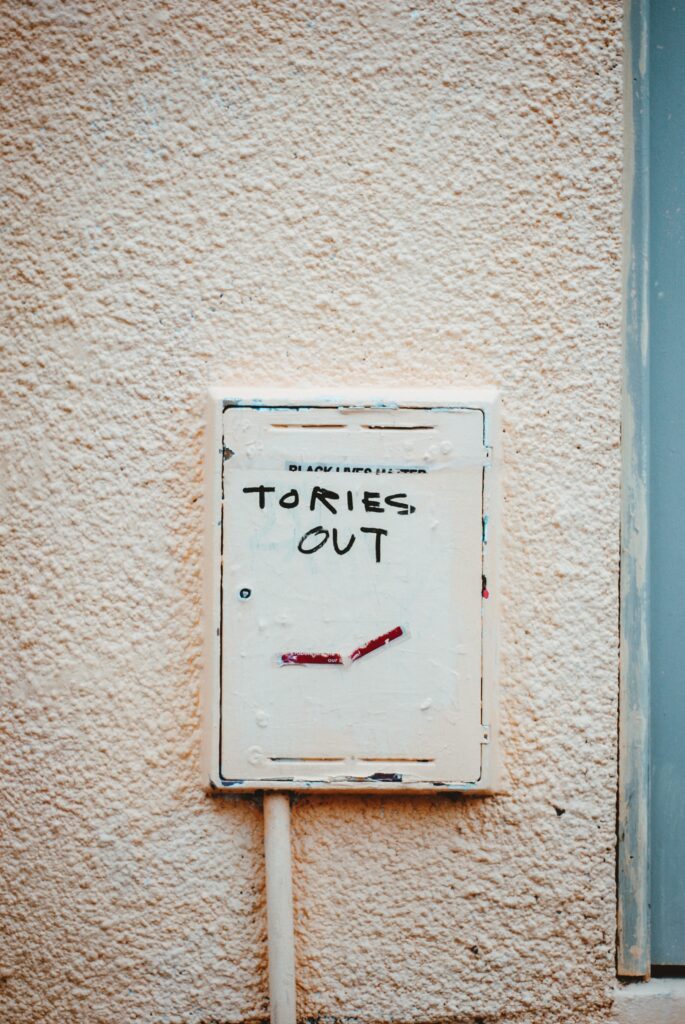
The struggling majority are constantly getting swept under the rug, whilst the wealthy 1% are polished on their pedestals, treated like the finest porcelain china. A functioning democracy requires more than the elected; it depends on independent actors unaffiliated with the government to publicly hold the state to the account of their wrongdoings.
When the government wages its war on the poor it’s usually done so in silence, behind closed doors, with as much cunning as Machiavelli. By the time the information reaches the general public nothing can be done.
The National Audit Office (NAO) continuously criticized the Cabinet office as it failed to explain why government contracts were awarded to Tory peers and wealthy donors throughout the pandemic, totaling more than £17bn. According to the Financial Times, Johnson’s party “failed to document any consideration of any conflict of interest” whilst also “failing to document why it chose this particular supplier” the NAO was quoted as saying.
The many or the few?
The message is quite clear: the government idly stands by watching poverty increase. Is it on the side of the many, or the few?
The many that depend on the state have learned that Boris Johnson is not going to come and save them in a time of need. The many, have learned that our political institutions are masters at distributing freedoms unevenly within society.
The few who know that the government is on their side have watched the rich get richer during the pandemic, with tax cuts approved for banks and sanctions lifted from oil companies.
Leave a Reply