

By Raisy Aquino
Last year, as the pandemic hit, so many areas of our lives were forever changed. This includes the rates of anxiety and depression, which have seen a significant increase since the pandemic began.
The coronavirus has caused many changes in our society, including a marked increase in psychological stress. People who managed to stay physically well nonetheless suffered from other symptoms, including fears about its impact, concerns for friends and family members and widespread social isolation.
Last May, the World Health Organization (WHO) warned that there could be a marked increase in mental health disorders, including suicide rates, due to the pandemic, and called on governments worldwide not to ignore psychological as well as physical care.
Three of the countries most affected by the pandemic saw an increase in psychological stress, according to WHO, which saw the rates jump by 35% in China, 60% in Iran and 40% in the United States.
Professional people working in the healthcare who were exposed to the virus the most were particularly affected, as well as those working in healthcare in general and those carrying out essential tasks where they could have been exposed to the virus, WHO said.
People with prior mental health disorders were at significant risk for relapse, but the most affected ones have been children and teenagers.
Self-isolation brings distress
A study has found that 22.6% of students in Hubei, the Chinese province where the coronavirus outbreak originated, have suffered depressive symptoms. This is higher than the average amongst primary schools in the rest of China, due probably to the extended period of time they spent isolated at home, it said.
Although children and teenagers represent only 1% of the cases of Covid infection, they have been left with other consequences as a result of the pandemic in the form of learning difficulties and mental health problems associated with confinement, social isolation and the deterioration of living conditions in many homes.
According to the NHS primary care paediatric services and referrals to mental health, there has been an increase in the number of consultations for anxiety, obsessive-compulsive symptoms, depression and self-harm among teenagers in the UK during the pandemic.
Many of these symptoms are consequences of uncertainty, excess news, social and family distancing, the absence of routines, the abuse of screens, irregular sleep rhythms and less healthy eating patterns.
Paediatricians warn about the importance of making all possible efforts in order to reduce this stress and prevent psychological difficulties from becoming chronic over time, leading to more serious psychopathologies.
No longer an adventure
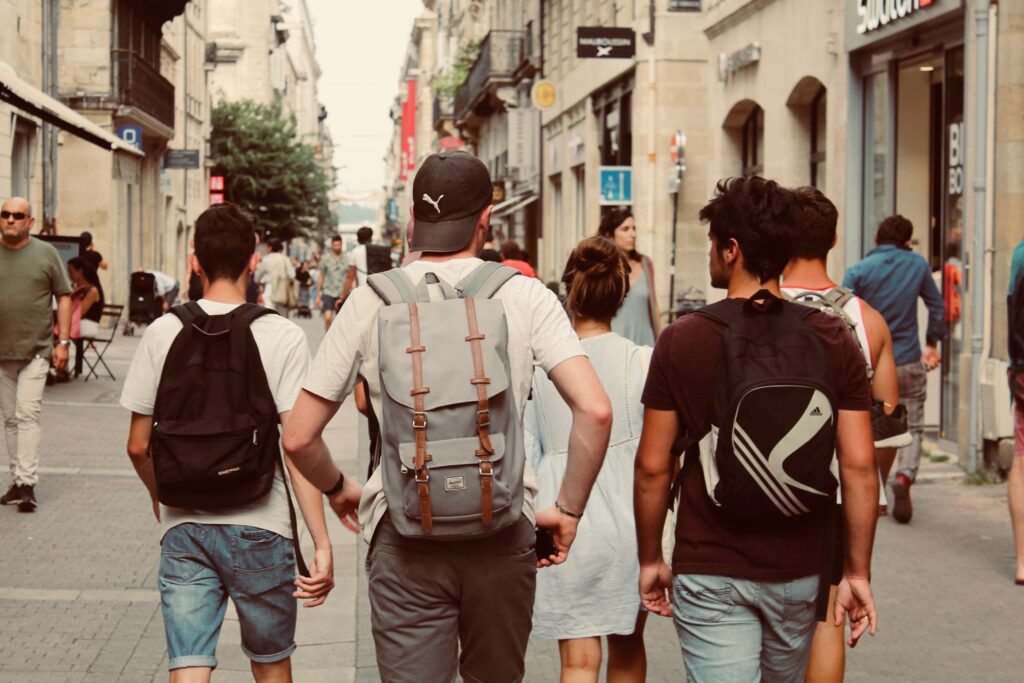
At first, confinement could come to be experienced as an adventure, in which younger children appreciated not going to school or spending more time with their parents, and adolescents felt freer to be able to consume more hours on the Internet.
However, problems such as apathy, restlessness, boredom, concentration difficulties, insomnia or excessive fear soon began to appear, as some specialists have pointed out.
The time dedicated to screen use has increased in a very striking way, due to isolation and the lack of freedom to have a ´normal life´. “One of the most effective measures to avoid addictive behaviours is to guarantee access to healthy alternative activities.
“When children and teenagers have the opportunity to spend time outdoors with their peers and do sports and leisure activities, the time spent on screens is significantly reduced,” says Lucila Santos, a working mom of three who has taken several measures to make sure her children don’t spend the whole day with their phones.
“When children have free access to internet, video games and video call with friends, they forget what going out looks like and they start living in their own isolated world,” she added.
Device dependency
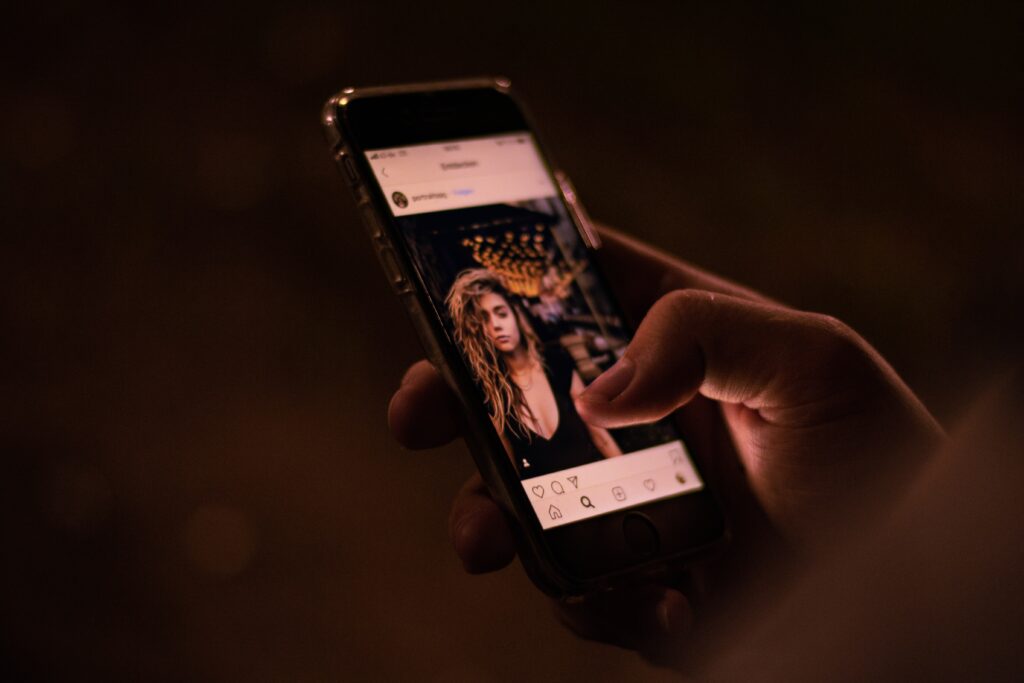
Teenagers are very susceptible to developing problems related to dependence on devices that have internet access. This has been linked to various psychiatric problems such as social anxiety, depression and attention problems.
Spending excess time online results also in a more sedentary lifestyle, which can lead to being overweight or even obese.
In order to minimize the psychological consequences of the pandemic, paediatricians have released measures designed to promote a healthy lifestyle and, consequently, the reduction of the psychological impact the pandemic has had.
They have tried to promote leisure activities – especially sports – that coincided with the reopening of playgrounds, sports centres and organized outdoor activities for children and teenagers.
“I am so happy I can go out and explore again new places with my friends, I loved being with my family, but missed the time spent with my friends out of school before the pandemic,” says Ismael Gurumendi, a 16-year-old student.
It is believed that with the easing of the rules of lockdown due to COVID-19, the numbers of children and teenagers with depression and mental health problem will also go down.
Leave a Reply