
By Gabriela Yorgova and Umme Capa
The fashion industry is known to be influencing people, changing and shaping society. But what is behind the production process and garment making is as important as the final product. Unethical working conditions, issues with sourcing raw materials and fabrics, and choices that customers make have an enormous impact on nature. Will the environment and society pay the toll in a few years?
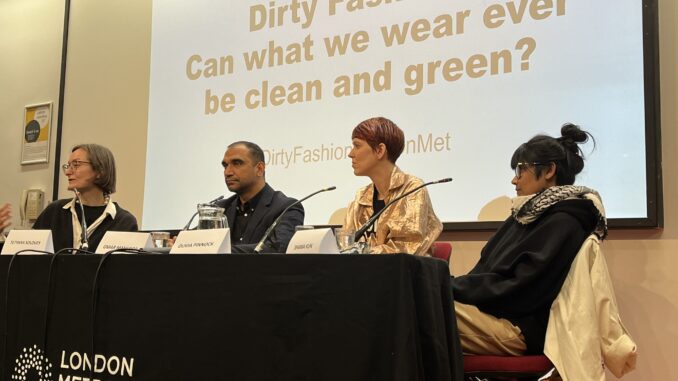
The debate during London Metropolitan University’s Journalism Newsweek “Dirty fashion: Can what we wear ever be clean and green?” discussed the hidden practices of popular clothing brands that sell affordable and trending clothing.
Fast fashion is an ongoing phenomenon that will be present as long as there is a demand for it. Affordable and easily accessible are two of the reasons why consumers are reaching out for it. However, it is our responsibility to make smarter choices for a better future.
Shama Kun, a Bangladeshi fashion designer, believes that the fashion industry is alienating the customer from the production of a piece. In other words, the end consumer should “question the system”, where the materials are sourced from, the labour required for the production, and how the final products are delivered to stores.

Brands like Boohoo and Shein, fast fashion brands popular among young people, have a mass production model. Omar Mansoor, a fashion designer and entrepreneur, has focused his work on creating a brand that is the complete opposite of these examples.
After looking into the impact of disposable fashion, he puts efforts into sustainability into his brand. He said: “I keep an eye on who are producing, and in what conditions they are producing.”
Underpaid labour in countries like Bangladesh is common; however, the fashion industry and media aren’t addressing issues of poverty.
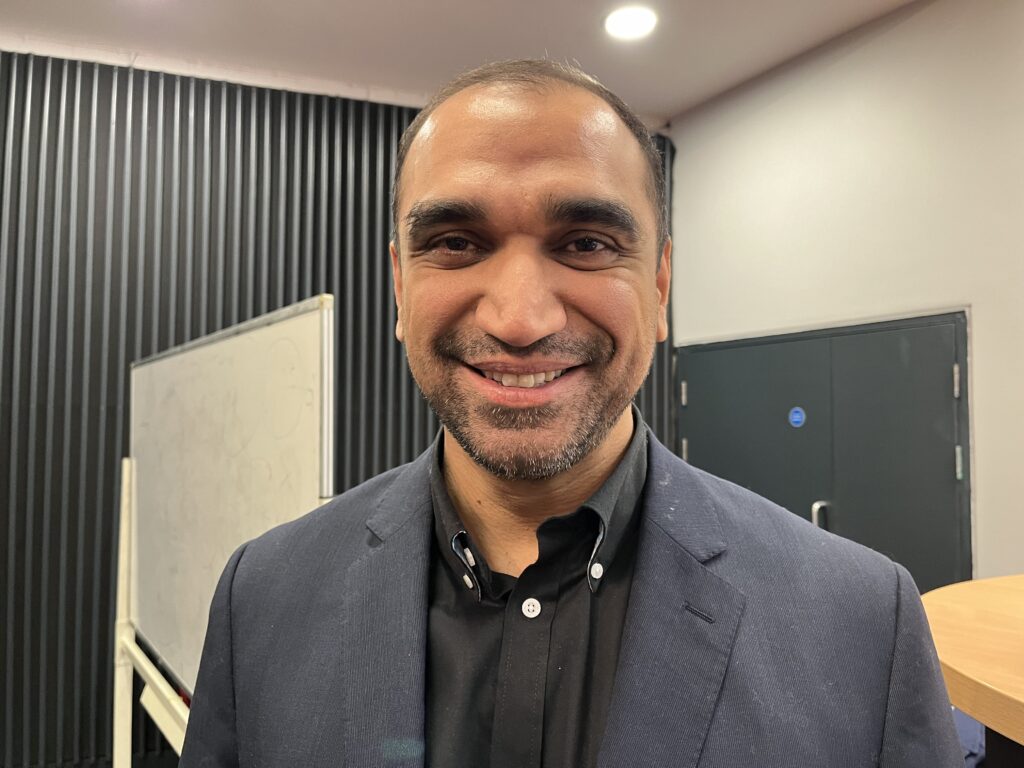
He says, “Women are paid less for their labour because they are seen as a side income and that is an issue.” The designer Shama Kun also talks about the low wages of factory workers, comparing the pay to as much as “peanuts”.
Changing purchasing habits
Overproduction and mass consumption have resulted in and will continue to affect the environment negatively unless society changes its purchasing habits. Shama Kun has created a production model, which is easily traceable, and minimises waste. Her pieces are made-to-wear, and she is communicating with the factory in Bangladesh directly, which removes the need for a mediator – a clear structure of production and a more sustainable approach.
In addition, former Vogue Ukraine sustainability editor Tetyana Solovey considers sustainability in fashion as an economic and business opportunity.

“It is an economic interest of France to ban fast fashion to reduce them all and give the market more to luxury fashion,” she said, referring to France’s recent decision that it might have a tax on all fast fashion products.
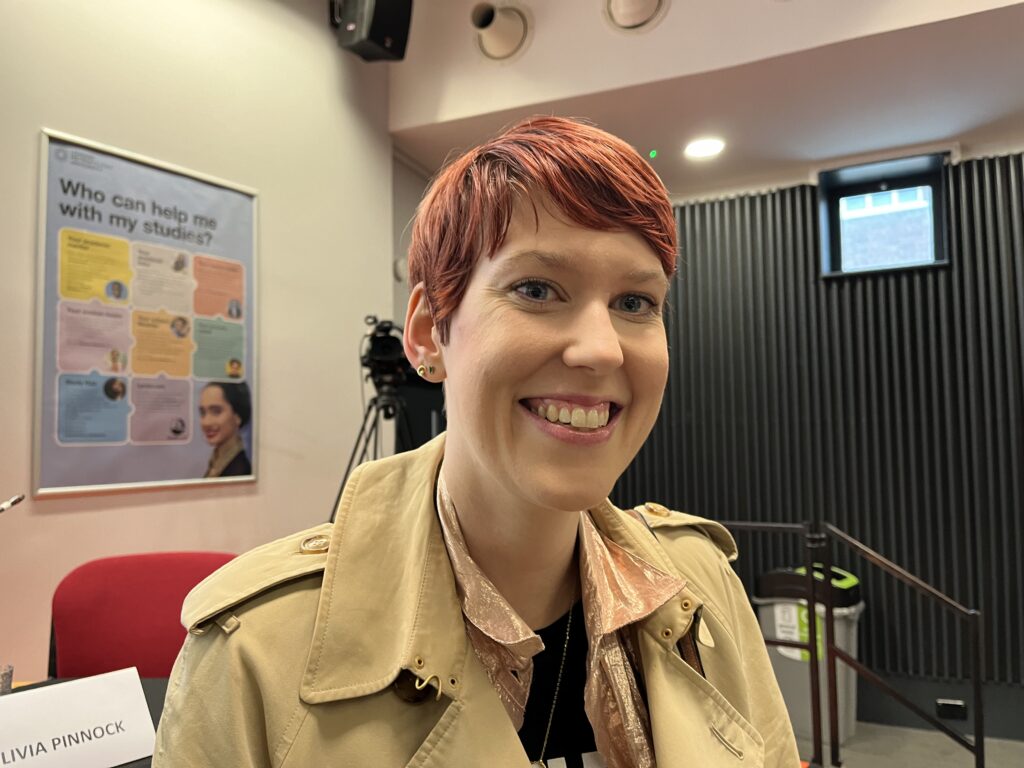
Olivia Pinnock, a fashion journalist, brought to attention the role of fashion media in shaping consumer behaviour, the industry’s tendency to promote an endless cycle of consumption and its impact on nature.
Shama Kun also emphasised her individual style over trends and integrates Bangladeshi heritage into her designs, which respect both culture and the environment.
The panel concluded with a challenging question from one of the Fashion Marketing and Journlaism students, which made the guest speakers share whether their wardrobes consist of pieces that are sustainable.
Olivia Pinnock and Tetyana Solovey give some tips on how to keep our pieces in good condition and appeal to repairing what we already have instead of throwing it away.
The event concluded with a catwalk by London Met students, wearing outfits with pieces they already had in their wardrobes.

Leave a Reply