
By Claudia Abbott and Tonje Brennsaeter
Fashion makes up about 10% of humanity’s carbon discharge, but people are more and more focused on choosing alternatives that are better for the environment.
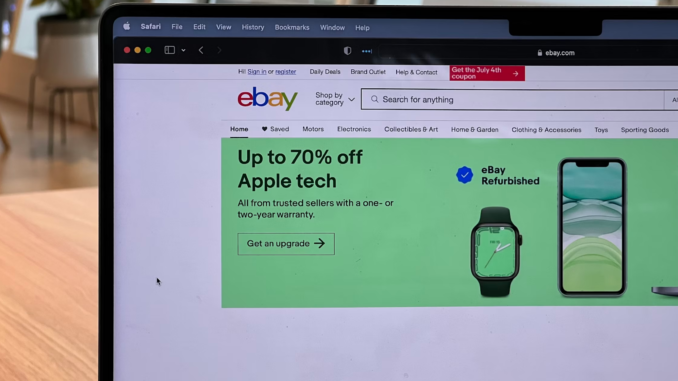
For many, the solution is shopping second hand. In the 21st century this means shopping second-hand online, whether it’s on dedicated online vintage shops, or on marketplace platforms like eBay, Vinted and Depop.
But is shipping £5 dresses up and down the country really better for the environment?
The second-hand clothing market is now worth £6.5bn and its value is expected to double by 2027, according to City AM. Even business giants with questionable sustainability practices like Amazon are recognising the power of second-hand as they open online and in-person stores that sell used items.
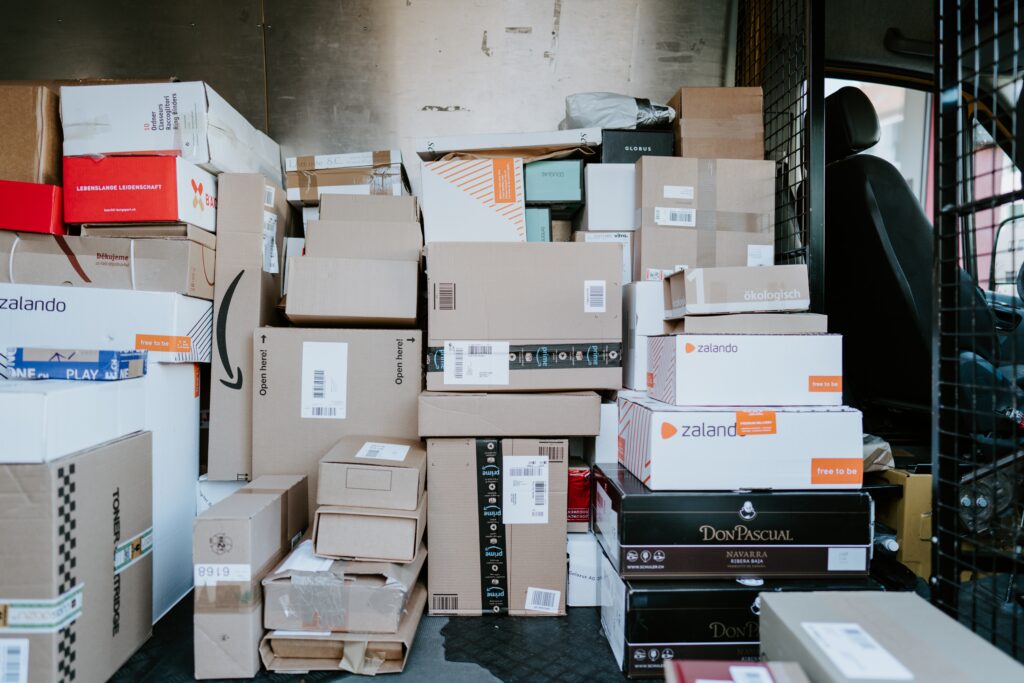
The concerns with shopping for second-hand online are the same as with other types of online shopping: excess packaging and the carbon footprint of shipping and returns.
And there are reasons to be worried – there are no physical stores to try the clothes on first, sizes are inconsistent between brands, and non-professional photos might not show all of the colours of details faithfully. And since the prices are often low, impulse purchasing is high.
In addition, to attract more buyers, the platforms’ policies allow easy returns. For example, on eBay the buyers can return their purchase if they claim the item is “not as described”, and the seller is obliged to accept it.
Similar policies exist on other popular resale platforms, including Vinted and Depop. As a result, the rate of returns on sites like eBay and Depop are higher.
In a 2021 report, Vinted estimated that the total net carbon emissions saved by the marketplace users that year, compared to if shoppers bought brand new purchases online, were equivalent to driving 3.6 bn kilometres.
They also reported that over half of the users they surveyed reused old packaging, which means that packaging only accounts for 3.12% of the carbon impact of the app. Shipping parcels accounted for 96% of the carbon emissions of any purchase on Vinted. It makes sense: using pre-used packaging is cheaper.
Marketplaces realise that even with their claims of sustainability, there are still carbon emissions and other impacts that they are having on the environment. In 2023, Depop reported that they plan to run a zero-waste operation by 2025 and reduce other emissions by 52% by 2030.
However, it’s still often cheaper to shop fast fashion: you can currently buy a £3 dress on Boohoo, with options to get free delivery and a 15% student discount.
But don’t despair – buying vintage or second-hand means that you can grab a bargain on better quality, unique pieces that will serve longer. Plus, it looks like prospective laws might bring about a change.
“The government may be introducing extended producer responsibility (EPR) legislation within the next few years. This will make it legally binding for anyone producing clothing to contribute to its effective disposal at the end of its lifecycle,” said Cam McGimpsey, CEO of Birl, a company that works with brands to help them establish used clothes trade-in services, said in an interview with Business Leader.
“This legislation will hit fast fashion the hardest, and as a result make purchasing better products, whether new or second-hand, a more attractive proposition for everyone.”
And it’s no small feat. A report by the US marketplace ThredUp suggested that “if every consumer this year bought just one second hand garment instead of a new one, it would lower CO2 emissions by more than £2 billion, equal to taking 76 million cars off the road for a day”.

So buying second hand is without a doubt better than shopping from fast fashion brands or buying new, however it’s not always as environmentally friendly as you may think.
You can do your bit by trying to adopt even more sustainable shopping habits when shopping on marketplaces:
- Try local charity shops first
- Have fashion-trading day with friends or look up local clothing swap events
- When shopping on platforms, select shipping to a pick-up point rather than to your home
- Ask for measurements if you’re not sure about the size
- Avoid buying clothes just because you feel you found a deal – buying clothes you won’t use is not helping the environment or your wallet. “Buy it because you love it, not because you love the price,” said celebrity stylist Kirsty Stewart in Business Insider.
Leave a Reply