

By Jas Singh
For the past decade, the fashion and beauty industry has openly embraced and promoted the concept of body positivity. They have created campaigns that include and target people of different sizes and backgrounds, with mottos that promote ideas like self-love and inclusion.
As the message of inclusivity and equality has become widespread, the question of whether body positivity is becoming a marketing strategy has arisen.
The movement’s origin originally started out to challenge unrealistic or false beauty standards, favouring the acceptance of different body types and people of different backgrounds. Though the movement was forged through activism and equality, it has gained serious traction through social media platforms such as TikTok and Instagram.
Social media users have started posting unfiltered or unedited photos of themselves, which has resulted in discussions and conversations regarding body image becoming more common. In time, fashion brands began to adopt the same sentiments and language for advertising and brand campaigns.
Going the extra mile
One notable brand whose brand campaigns have highlighted realistic beauty standards is Dove, which has gone the extra mile to feature a plus-size model or a models from different backgrounds.
Dove famously used very little camera editing or digital touch-ups, striving for inclusivity and the promotion of different body types. As a result, the brand has garnered praise, in contrast to the heavily edited beauty standards in today’s society and usual advertising.
Some people, however, are starting to wonder whether these campaigns are really reflecting the change happening in the industry – or whether it is just a performative box to be checked.
“I think it’s more authenticity that’s trending rather than body positivity, TikTok videos and Instagram reels are moving away from looking so polished”, says Cydneii Lung’aho, a third-year Fashion Marketing and Journalism student at London Metropolitan University.
“But sometimes it feels like it’s becoming more about what you eat and your lifestyle and what you put in your body.”
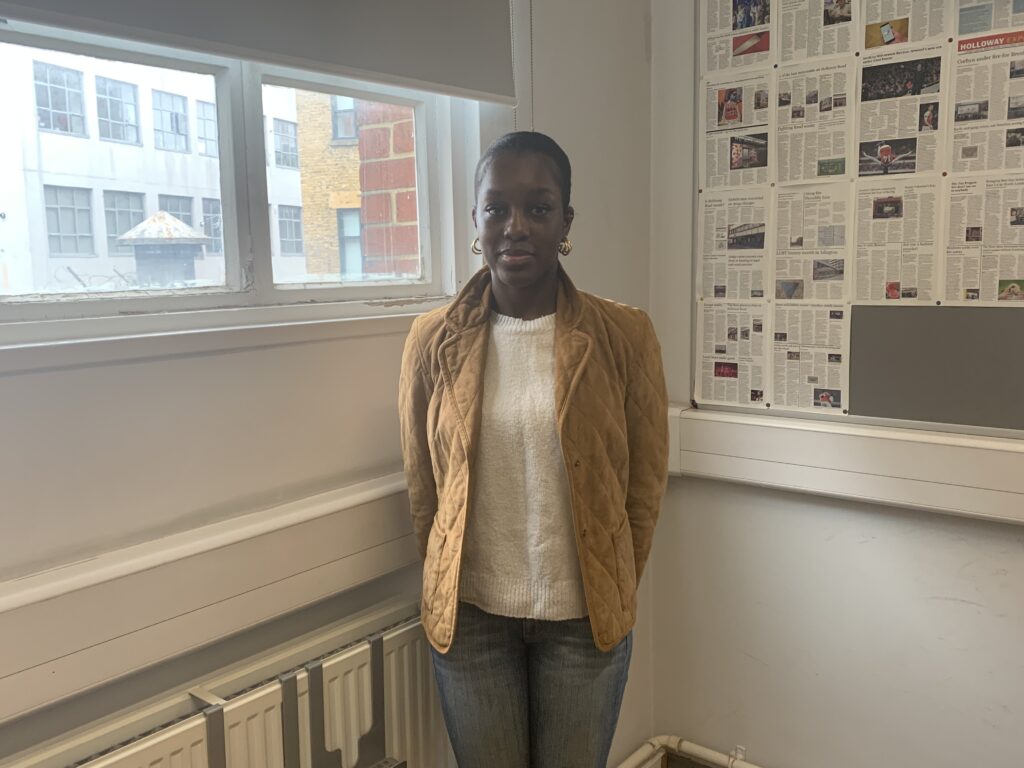
Cydneii Lung’aho. Image by Jas Singh
Kim Tran, another third-year Fashion Marketing and Journalism student, said the recent rise in fascism is being reflect reflected in today’s fashion styles.
“I have noticed a slightly increase in the amount of skinny models featuring more and more in brand campaigns similarly to the 2000s with some brands still opting to use one type of model from one single body type and background,” she said.

Kim Tran. Image by Jas Singh
Her fellow student, Mhia Vignoulle, said that the “body positive” lifestyle is being glamorised, with an over-arching aesthetic that is about keeping healthy and what exercise you do.
A London Met Students Union staff member, Ekas K Randhawa, said that everybody is talking about body positivity these days, which to her is starting to feel a bit repetitive. “I feel that this is becoming a trend up to an extent but that sort of representation has been missing for the past seven or eight years.”
Sparking valuable conversations
Despite criticisms, many feel that body positivity and inclusive marketing have helped spark valuable conversations regarding subjects like representation within the fashion industry. They have promoted a wider range of body types and models of different backgrounds within campaigns, allowing people to feel more represented and confident in their sense of self-worth and beauty, especially with younger audiences, who are sometimes under the influence of doctored images online.
At the end of the day a brand is a business, and will want to sell products by attracting people by latching on to the latest public trend. But implementing body positivity as a business move within an advertising campaign doesn’t necessarily make it a bad thing.
As body positivity continues to expand and grow in popularity the argument surrounding its role in being used as a marketing tool for businesses is highly likely to continue. Whether this represents genuine progress or just another marketing strategy for a businesses to profit from may depend on who the movements message is being pushed by.
For some brands, inclusivity and equality, promoting basic human body types and challenging the unrealistic beauty standards of today’s society aim to make people feel seen, while others may use it as a convenient trend used to sell products without considering any meaningful message behind what they are trying to promote.
The future of body positivity within the fashion industry will be moulded not only by companies but also by consumers who consume and purchase these products, expecting authenticity and true representation.
Leave a Reply