
By Molly Madden
In an age where youth is idolised and wrinkles are seen as flaws rather than signs of wisdom, women across the world are facing unprecedented pressure to defy age. From altered celebrity images to social media filters and influencer-promoted cosmetic procedures, society has cultivated a culture where aging is treated less as a natural process and more as a failure.
This obsession with ageless beauty is not only shaping perceptions but also driving impressionable young women to Botox, fillers and plastic surgery in pursuit of an unattainable standard.
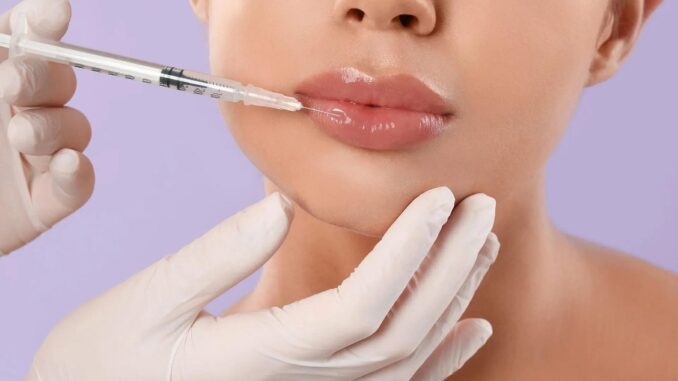
Aging is a biological reality, yet for women, it has become a battleground. The rise of non-invasive cosmetic treatments has been drastic. According to the American Society of Plastic Surgeons, Botox injections and fillers are among the most common procedures performed, with millions of women undergoing treatments annually. The appeal is understandable, the procedures promise smoother skin, plump lips and fewer lines with minimal side effects.
However, Dr. Sarmela Sunder, a facial plastic surgeon, speaks about the risks of facial enhancements. “Many people think its a very easy, quick fix but it is still a procedure and there are risks. If you’re looking to get filler or Botox do your research and make sure you find a clinic that is well qualified.”
New beauty standards
These beauty standards are rarely self-inflicted. They are a reflection of the hate and misogyny against women. These extreme beauty standards are forced by the media, reinforcing the beauty and wellness industries, and normalised through digital platforms where filtered faces become the norm.
Women who choose to age naturally are often treated as if they’ve neglected themselves, while those who embrace cosmetic intervention are accused of vanity or inauthenticity. It’s a impossible situation that leaves little room for autonomy.

Infographic depicting the most common types of cosmetic enhancements for women. Credit: KindPNG
Platforms like Instagram and TikTok have become the new beauty battlegrounds. Filters blur imperfections, smooth skin, and enlarge eyes, subconsciously suggesting what a better version of ourselves could look like. When women consume this content daily, the message clearly states to be desirable you need to look young.
Julianna MClary, a 20-year-old student said: “Over the past year I’ve seen so many more comments on social media bashing women without any fillers or plastic surgery saying they look years older than they actually are. It makes me upset that it’s become so normalized to make comments like that. I’ve never felt like I needed to do anything to enhance my features but seeing so much content about it is inspiring new insecurities.”
When asked if people close to her have gotten any treatments she responded: “I think its really sad that women feel like they need to change themselves to be accepted in society, I feel really lucky that I can look up to older woman who haven’t had any work done and see their unique beauty.”
The Kardashians are a prime example of the never ending cycle. The family has built an empire on sculpted faces and surgical enhancements, often denying procedures only to later reveal or admit them under public scrutiny. The normalization of this kind of cosmetic upkeep has contributed to a rising trend where women in their early twenties are already receiving preventative Botox with a goal to stop ageing before it starts.
“I was shocked to see the comments about Kim Kardashian at the Met Gala, I thought she looked amazing yet everyone seemed to be focusing on a specific angle of her neck where you could see signs of age. It wasn’t even noticeable until I saw all the comments pointing it out. It really just solidified the fact that if even the most famous, beautiful women can’t win then no one can,” said McClary.

Kim Kardashian at the Met Gala showing the smallest signs of age. Credit: Getty Images
Plastic surgery was origionally for the elite members of society but not its become expected of everyone. Dermatologists and plastic surgeons have rebranded cosmetic procedures as maintenance. Medical professionals now market aesthetic services in increasingly casual ways, using terms like “baby botox” to make them feel inconsequential and low-risk.
“I think I’m lucky that I’ve never seriously thought about getting any filler or Botox, theres so much pressure on women to stop aging. If its something women want for themselves I think thats great but there should be no pressure,” said Laia Daniels, a 49-year-old stage manager at Apollo Theatre.
One of the most powerful tools in dismantling these beauty standards is representation. When magazines, movies, and media platforms showcase older women with visible signs of ageing like grey hair, wrinkles, sagging skin they help normalize the natural aging process. Unfortunately, these representations remain rare.
Even well-intentioned campaigns like beauty brands featuring older models, often highlight women who look decades younger than their age, reinforcing a narrow and idealized version of what aging “well” should look like. True diversity in ageing would include women who have chosen not to alter their appearance – and who are celebrated not in spite of their wrinkles, but because of their authenticity.
The relentless focus on physical appearance has taken a mental toll. This culture fosters body dysmorphia, anxiety, and low self-esteem. Many women report feeling like they’re “falling behind” in a race against age. The mental energy devoted to maintaining a youthful appearance through diets, treatments, and fitness plans can be exhausting and unrelenting.
Moreover, there’s a significant financial burden. These cosmetic enhancements are expensive and need to be redone regularly.

The expected market trend for the number of Botox injections over the decade. Credit: National Laser Institute
Fighting these beauty norms requires a cultural shift beginning with education. Its imperative to teach young generations that their worth isn’t tied to appearance. It also demands honesty from influencers and celebrities who undergo cosmetic procedures, so audiences aren’t misled by claims of “natural” beauty. Transparency can help break the illusion and reduce unrealistic expectations.
Within society, we need to widen our acceptance of what we find beautiful. Aging is a privilege denied to many, and it’s treated as a curse. Celebrating women for their achievements, intellect, and character rather than their ability to maintain a youthful glow would mark a radical and necessary departure from current culture.
Women deserve the right to age naturally, free from judgement, and shame. They should be allowed to get botox or not, dye their hair or get plastic surgery without being alienated in society. True empowermenet comes from giving women the freedom to decide for themselves without pressure from a culture obsessed with youth.
The beauty industy, media, and cultural messaging have collectively created an environment where natural agin feels like rebellion. But rebellion is exactly what may be required. As more women speak out they carve a path for others to do the same.
Leave a Reply