

By Maame Takyi
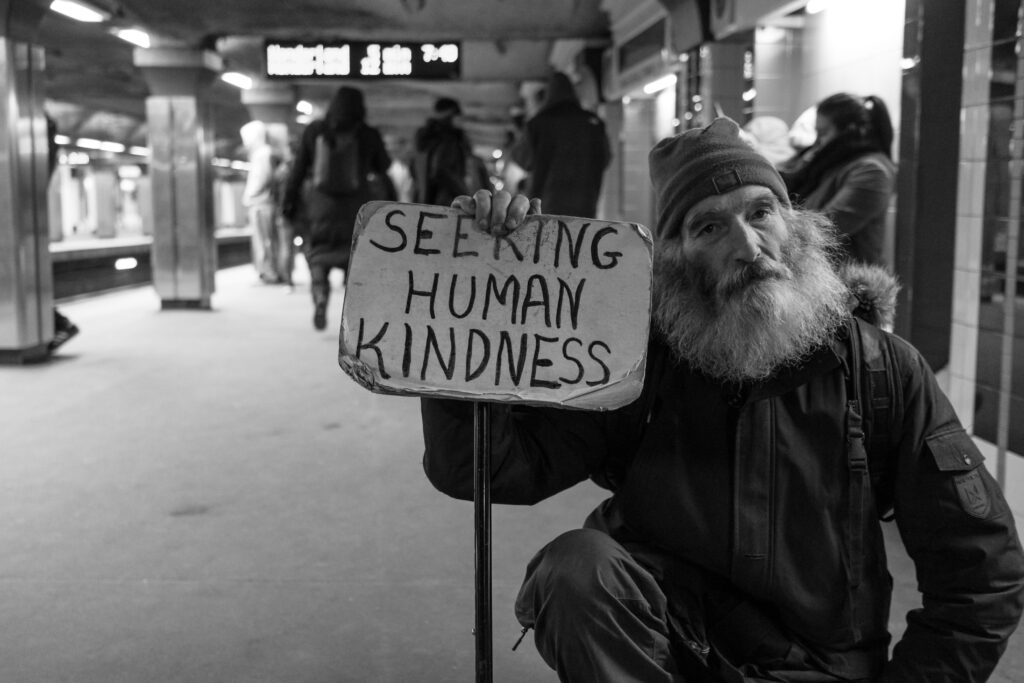
There are so many issues in the world that have been piling up since the pandemic came into the scene. It is the government’s responsibility to take care of society’s most vulnerable, and many would say they have failed.
Homelessness campaigners have accused the government of largely ignoring the plight of homeless people during the pandemic. Yet they are one group of people who have been most severely affected by the economic and social crisis.
In 2019, Shelter reported that there were 280,000 homeless people in England. This is a huge number of people who were left even more vulnerable by the pandemic. The government’s hesitance to provide shelter and food has left many outraged.
It further states that presently 253,000 people were “trapped2 in temporary accommodation, waiting for a permanent place to live.
“Rising homelessness is already a major problem – with the latest figures showing 115,000 more people are homeless and trapped in temporary accommodation than a decade ago – but Shelter argues the economic chaos caused by Covid-19 risks turbo-charging the crisis,” it said in a report made public in December.
“The charity’s analysis of government data shows the number of people in temporary accommodation jumped by 6,000 in the first three months after the pandemic struck. “
70,000 households made homeless
The WLM, or West London Mission, says that 70,000 households – not people – have been made homeless since the pandemic began, almost exactly one year ago.
This happened even though “housing secretary, Robert Jenrick, tweeted in March last year that ‘no one should lose their home as a result of the coronavirus epidemic’,” it said.
“But despite the government banning evictions for most of the last 10 months, the Observer’s figures show that 207,543 households approached their local council for help with homelessness or the threat of homelessness between the start of April and the end of November 2020.
“Of these, 50,561 were “owed the prevention duty”, meaning they were judged to be threatened with homelessness, while 70,309 were “owed the relief duty”, meaning they were already homeless, which is defined more broadly than rough sleeping.
Empty buildings lie empty
Olivia Snaith-Cairns, Photojournalism student, said: “There are so many empty buildings and these buildings, if the government put the money towards them, could be used for a homeless person or multiple homeless people.
“Charities have not been doing their jobs for years. They have stripped the homeless of their rights, not knowing what to do with themselves in times like these. They are constantly thinking about when will their next supper be or where will they sleep for any night of the week.”
The pandemic not only taught us about how life is too short – we already know this, but it taught us a valuable life lesson: anything can occur. So it is important for people to be on their guard and guard our loved ones at all times.
The future is‘ our next tomorrow, so if we can make a difference today, it will continue.
Leave a Reply