

by Agatha Kempf
Sustainability. A word so terrifying that some people are in a constant state of eco-anxiety while others are totally indifferent, happily sipping their third coffee of the day out of a disposable cup from Prêt.
Whether it’s plastered on the pages of magazine in your doctor’s office, blaring out from your TV or radio or popping out from your activist friend’s page on social media, sustainability is a hot topic – and has been for a while.
But why is this such a big deal? First, let’s see what sustainability is. According to the Cambridge English dictionary, sustainability is the “quality of causing little or no damage to the environment”.
Why is that important? Not only would a sustainable lifestyle slow down the effects of climate change, it would also allow us to have a cleaner, healthier environment.
“We’re polluting our air with endless cars and petrol: every year, 26,000 people in London die early because of air pollution,” says Lisa Thomson, group coordinator of Camden Greenpeace.
“We’re polluting our water supplies, we’re spraying all our crops with pesticides and fertilizers. They’re not only destroying the very soil that we grow our food in (…), but it’s also poisoning us and giving us cancer.”
Unless drastic changes are made – regarding food, transport, fashion, and the way we consume in general – we could face some irreversible severe ecological catastrophe.
So here’s a guide to become more sustainable, whether you’re a complete eco-friendly newbie, already have some experience, or are just are looking for more inspo.
FASHION
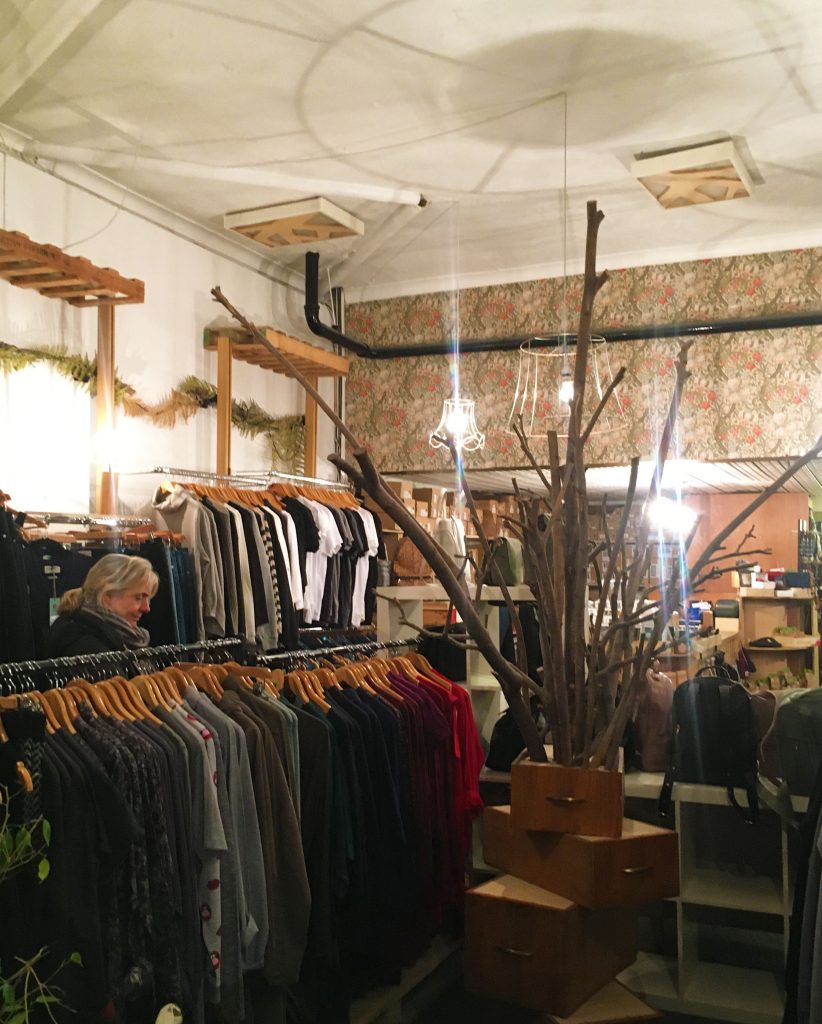
When it comes to your closet, it’s simple: buy less and give away more. Donate or sell the clothes you no longer wear, and go thrift shopping if you need new threads! Islington has plenty of second-hand shops around such as Annie’s London, Sue Ryder, and Vintage Planet in Camden. If you can’t resist brand new clothes, aim for vegan, ethical and no fast fashion: The Third Estate in Kentish Town is a shop that has all three!
https://thethirdestate.co.uk
FOOD
Limit your carbon and pollution footprint by aiming to eat seasonal foods: this also helps smaller and local shops. Beware of excess packaging and try to find foods with recyclable wrapping or none at all: many do not actually need any.
Reducing if not stopping your meat consumption is also important, as the carbon impact of the meat industry is high. Earth Natural Foods in Kentish Town provides organic products, targets lighter packaging and promotes reusable lunch boxes, straws and beeswax wrapping paper.
https://www.earthnaturalfoods.co.uk
AROUND THE HOUSE
Keyword: reusable. It’s easy to find sustainable solutions in the bathroom, kitchen and bedroom. The WEARTH LONDON website is a gold mine that has everything you need, including reusable bamboo razors, lunch boxes, dish scrubs, natural konjac sponges and even bamboo bedding sets.
TRAVEL & TRANSPORT
Travelling is more accessible today, thanks to low-cost airlines and third-party websites constantly looking for the best deals. With more and more people travelling abroad, the amount of carbon emission stays on the rise. Try to keep it local as much as you can: you never know how beautiful and how much
history and culture your region has to offer.
When travelling locally, avoid taking your car or regularly ordering an uber. Not only will your bank account thank you, but the planet will too. As London is one of the most polluted cities, do your bit by taking the bus or underground meet your friend for coffee or go to the museum. Get off one or two stations early and walk or cycle the rest. Fresh air and exercise will do you some good.
Leave a Reply