

Image by Okan Caliskan from Pixabay
By Chris Armagon and Ben Tellyn
According to the Oxford Languages Dictionary, dynamic pricing is “the practice of varying the price for a product or service to reflect charging market conditions”.
In more simple terms, this means that the more popular a product is, the more expensive it becomes – in real time.
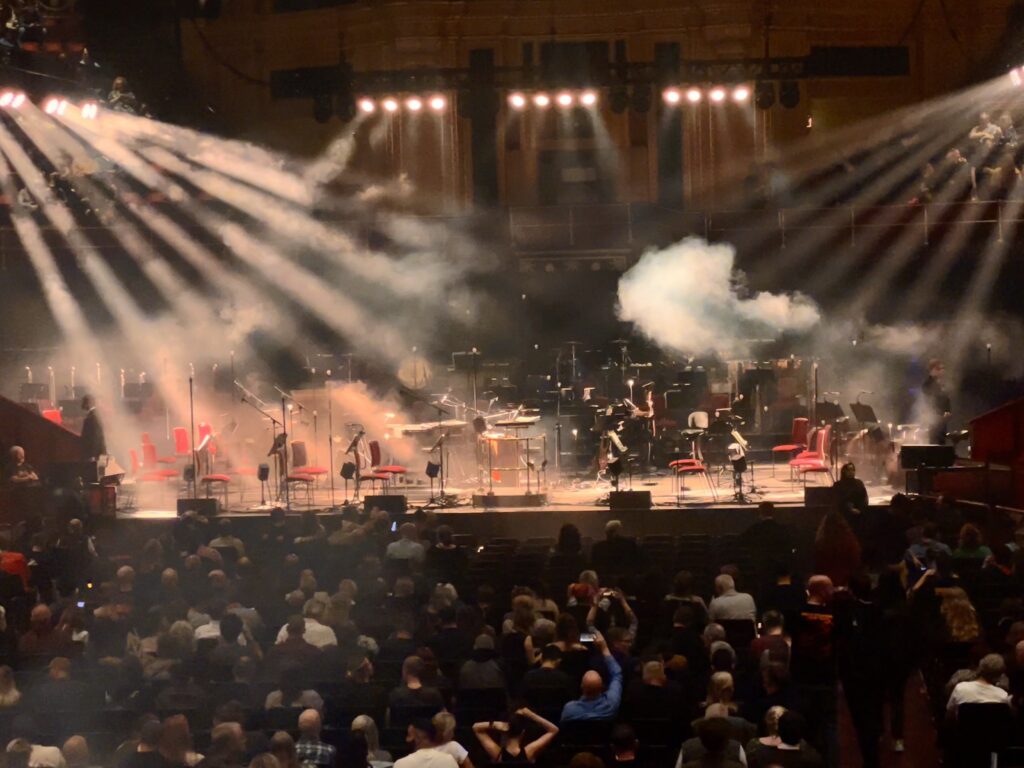
Concert at the Royal Albert Hall. Photo by Ben Tellyn
Seatpick.com highlighted the hike in seat prices at the recent Oasis reunion tour. Wembley stadium prices in August started at £381 but the average price at which they were sold was £1148. By September, the starting price had become £826 – with the average sale price reaching a whopping £2,247.
Students at London Metropolitan University have had their own battles with dynamic pricing. Sophie Milton, 22, was disappointed to note that Harry Styles tickets were advertised at £45, “but once online had gone up to £80”.
Katie Stevens, 24, has also experienced pricing difficulties. However, she was more hopeful. “Dynamic pricing can be stopped if they choose.” Katie points out that Ariana Grande is taking a stand against dynamic pricing and refuses to allow it at her concerts.

Eva prefers smaller venues. Photo by Ben Tellyn
Student Eva Colewell, 24, feels that “there’s more liberties taken” by the big ticketing companies. She opts for “smaller venues” and events.
Many artists including Ed Sheeran, Taylor Swift, and Ariana Grande all rebuke the use of dynamic pricing when touring. It’s a pricing method that all artists have the freedom to deny when selling via Ticketmaster or other ticket platforms.
While artists do set their own base prices, opting out of dynamic pricing ensures that more fans can access live music and the community that comes along with it. It becomes so important for big artists like Taylor Swift to make a stand so that there can be a change in the status quo, which trickles down to small and emerging talent.
Nearly 53,000 working musicians are in the UK, according to a study by Statista in 2025, and over 40% of them earn under £14,000 a year. This is a sharp contrast to recent ticket prices and the UK music industry’s total revenue of over £4.8 billion in 2025.
Leave a Reply