
By Tashko Mihaylov and Monique Reynolds-Blanche
Pictures by Tashko Mihaylov
The EU is the UK’s largest trading partner. According to the House of Commons Library, 55% of the UK’s imported goods come from the EU, compared to 11% from the US.
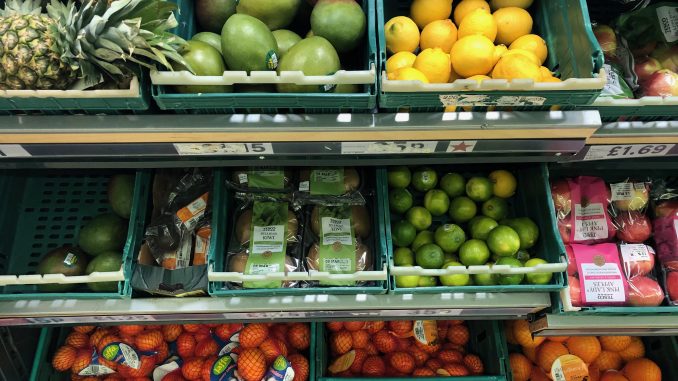
In a no-deal Brexit scenario, prices in supermarkets are expected to rise. Excluding root vegetables such as potatoes, carrots, onions and cabbage, most of the vegetables are grown and imported from the EU where the soil is more fertile and the temperature is warmer.
In the UK, most of the harvest workers are from Eastern Europe. If the new laws of immigration become more complicated, that would affect the farmers and food producers and cause their prices to rise.
“I think you should stock up because even the things that are made in Britain are sometimes packaged in Europe,” said Daniel Robinson, 26, Area Manager at Aldi.
The possible lack of food and information has caused distress among shoppers in the UK.
During London Metropolitan University’s panel debate; ’Brexit: Have we shrunk your world?’ the issue of food shortages and stocking up was discussed. The panel expressed their views mostly saying that there was not much to panic about and that we will continue to have food in our supermarkets.
Adam Jogee, Labour Member for Hornsey on Harringay council, expressed how Brexit will not be beneficial to most people across the UK.
“Why should I come out and support something that would make things worse? We should not be supporting something that would make some people poor,” he says.
“My concern is people’s capacity for panicking,” BBC Journalist and Broadcaster, Paul Osbourne added.
With the lack of information on the effects that Brexit would have, everyday people are raising their concerns: “I’m scared that everything is going to get more expensive,” said Gemma Williams, 42, mother of three. “I can’t afford to pay more for my shopping,” she said.
According to the House of Commons, other sectors that will be affected by Brexit are road vehicles, medicinal and pharmaceutical products, electrical machinery and manufactured items, butwith people’s survival instincts, food seems to take the lead on things to worry about.

Leave a Reply