
By Efstratia Nasioula
The global pandemic has caused many lifestyles to change. With most countries in lockdown, people are now forced to change many of their ingrained habits.
For example, with the “stay at home” recommendation that governments have provided, people are spending more time in isolation, away from friends and family.
More and more people are working from home, and gyms and exercise centres are closed, due to social distancing restrictions. As the lockdown has affected their mental health, others are struggling to get out of bed.
Whilst things are changing day by day, families have to find ways to cook every single day, and avoid the temptation of ordering unhealthy food online; shopping instead for groceries that are beneficial for the body, and health.
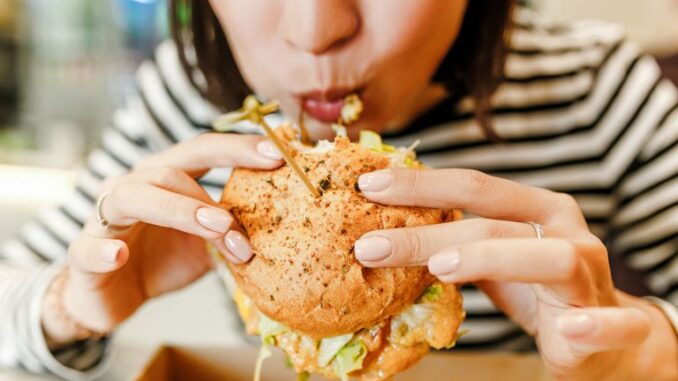
Binge eating – eating a lot of food in a small period of time until you feel uncomfortable – is also on the increase, as for many, food is a way to stay occupied, as well as a stress-reliever.
“They do emotional eating mostly because they stay at home, and another factor is that those who had COVID have now they lost their appetite and struggle to get it back. This is especially dangerous for patients with anorexia,” said Eleni Constantinou is a dietitian at NELFT NHS.
During lockdown, people often make visits to the supermarket as “entertainment”, purchasing unhealthy foods which they eat at home.
“Personally, as a dietitian, during this time I tend not to suggest diets to people but instead to educate them on healthy snacks and foods and also on supplements. This I find works best to carry on while on lockdown,” said Eleni.
Balanced diet
Eating well and having a balanced diet is a major factor that keeps the immune system steady, and protects from many diseases. During COVID, it’s especially important to maintain healthy eating habits. Eating plenty of fruits, vegetables, and nuts and drinking lots of water; are some of the things we can do to get essential nutrients.
Strengthening the immune system is important too, which is why we all need an adequate intake of zinc, iron, and vitamins A, B 12, B6, C, and E.

A lack of exercise, combined with excess smoking and drinking, is also impacting on mental health issues, which are exacerbated for people with a history of anxiety, depression or chronic stress.

Covid has definitely changed people’s everyday habits. It is important to learn how to adapt in this new reality and take care of ourselves, sustain our immune system and exercise regularly even though sometimes it seems hard.
“Many people feel disappointed, maybe because of job loss, or fighting with their loved ones or are depressed,” says Constantinou. “This is unquestionably not helping their state to improve.”
Leave a Reply