
Photo by Jem Barclay
By Jem Barclay
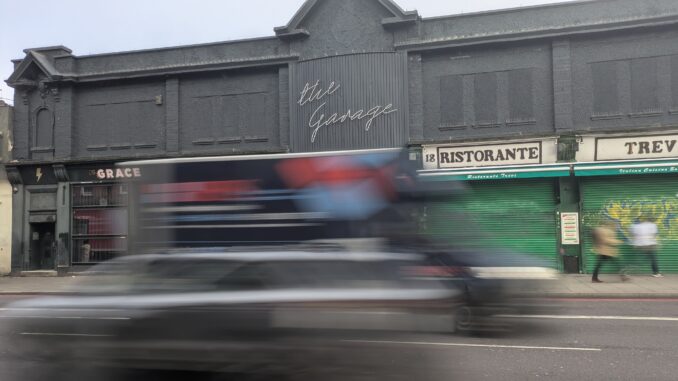
Tom Nutt is currently the deputy manager over at The Garage, the iconic live music venue based in Islington. But he wasn’t always working in music: his first job was in a modest call centre, selling mobile phone contracts when he was just 16.
Nutt quickly learned that cold calling wasn’t for him. It wasn’t until he turned 19 that he began putting on club nights in Bristol, and even ended up running a club at the same age which he describes as “a bit of as grey area, but it was fun”.
He went back to university as a mature student where he studied on a fashion and marketing degree. It was during this degree that he realised he loved the club and hospitality industry, when he worked at the pub across the road from his house.
From there, Nutt managed several independent pubs all around North London, and was lucky enough to rent his own pub, the caveat being it opened five weeks before lockdown. “We survived it, we did really, really well,” he said, although they were eventually crucified by the local council and the landlord, who forced him out.
After a trip to Egypt, The Garage was the first place to give Nutt a bar job. Within the first month he was not only promoted to Duty Manager, but he had also seen four of his favourite bands within the same month. “It was purely by accident my career path,” he said, adding that he was instantly sold. “Why would I work anywhere else?”
Do venues get the support they need?
Over his time within the industry, Tom has found it’s harder for venues to put on live music. Speaking to Holloway Express right before a panel about London nightlife at London Metropolitan University, he said he would always try to book live bands for the the independent pubs he’s managed, paying them fairly through basic pay and also giving them a percentage of the bar tab, which is “always hard when you have beer costs that are so high”.
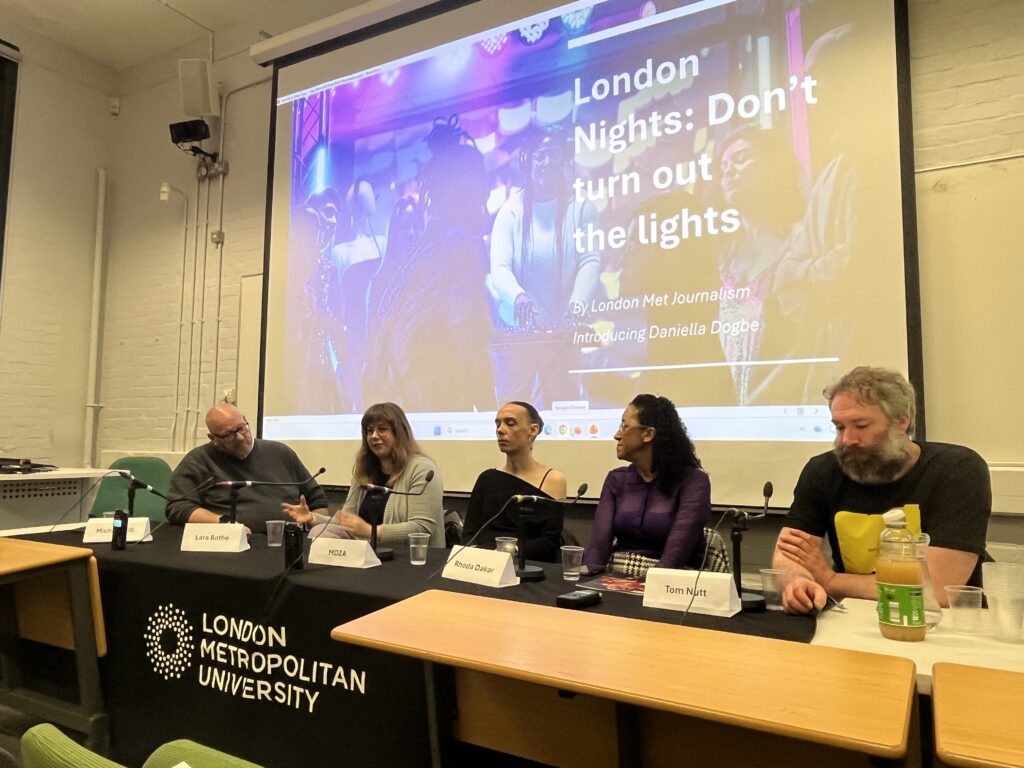
Tom believes part of the problem for live music venues is the people that live near pubs, yet they don’t participate in the culture and end up complaining to the council about the noise. In turn, the councils do very little to protect or even save venues. “There’s not enough support for the industry,” he said.
Tom has experienced this firsthand, when he was forced to deal with a complaint about the noise level at one of his pubs. “It was from someone who had moved in during the lockdown and had sent us and anonymous letter saying they loved the area when it was silent,” he explained.
He described the pub as a “Backstreet Upper Holloway Boozer, the corner was known for drug dealing and women wouldn’t walk down it because it was uncomfortable.”
This venue was part of the community, however, with Tom recalling: “The last band that we had play was Nick Reynolds from Alabama Three on a harmonica with Jake Vegas.”
This one anonymous complaint meant the pub lost their outside licence and music licence, with almost a snap of the fingers. Tom didn’t go down without a fight: he asked the council: “How about I got 100 recommendations from people that live around the pub saying how great this is for the area, will that counteract the one complaint?”
They came back with a definitive no, as Tom put it: “The one complaint out does it,” which feeds back into the fact that there is little support for venues if one person’s word is all it takes.
Looking on the bright side
“What we’ve done over the last couple of years is actually turn a profit,” Tom explained, as The Garage is part of an independent company that is always looking to expand.
The company owns several venues in Nottingham, such as Rock City, Rescue Rooms, Stealth and The Bodega. They also own Thekla in Bristol as well as Oslo in Hackney.
Even if nightlife is dying out, the need for these spaces to build communities is just as important now as ever.
Leave a Reply