

by Gabriela Yorgova
Workers quit their jobs – and the reasons can be various. Back to Covid, people were still quitting due to a lack of work support. Now, quitters say they are leaving their workplaces because they want a change.
According to research from 2022, one in five workers said that they would most probably quit their job in the next 12 months. A change in pay, a lack of motivation, being forced to overwork and bad communication are some of the key reasons why people of all ages try changing their career field, or just the company for which they work.
Other workers stay on at their workplace but practice “quiet quitting” – the act of doing only the bare minimum that’s required. “Quiet quitting means that workers are lacking in enthusiasm, which points to the silver lining of the pandemic: people are starting to choose what they want to do,” wrote Meena Vengapally recently in Forbes.
Desire for change
Pay is one of the main reasons why employees are looking for more suitable jobs. However, overall satisfaction is what almost a third of workers have said to be a decisive factor.
Nat Stock, 28-year-old founder of “Dirty Tactics”, a social media agency based in Leicester, said: “I quit [her previous job] before my birthday as I didn’t want to be unhappy on a day of celebration – strange but true. After I handed back my things, I have the sense of peace.”
Nat used to be a content partner, but she did not feel as creative as she can be, which made her leave her job.
Nat has now founded her own social media agency, and has never been happier. She added: “I think when big speakers say quit your job, it’s unrealistic. However, if you take strong but slow steps, you constantly feel in control.”
Yoana Kardzihilova, who used to work at a restaurant, said: “I changed my previous workplace because the restaurant I worked at was smaller and I didn’t find it challenging enough, as a person who wants to grow.”
Melanie Green, who is research adviser for the Chartered Institute of Personnel and Development (CIPD), said in a recent article: “All jobs have the potential to be better and we should aspire to make good work a reality for everyone in the workforce. This means going beyond pay… supporting good health and wellbeing, and investing in employee development so they have the means to progress in their career.”
Negative effects on mental health
Unhappiness could have a negative impact on a person’s mental and physical health. Stress can be present not only at the workplace, but also at home and within an individual’s social environment.
Mohammed Ramadhan, who is a part-time worker at Deliveroo and one more company, said: “I see it as ‘the company’ is not helping me. At the same time, I see things at my workplace that do not suit me.” He shared that he doesn’t feel as valued as he should.
Yoana is another worker who believes that good mental health in hospitality is crucial. “I think it’s really important to get along with your colleagues and also manage stress during the long working hours.”
She added: “I did feel overworked because there wasn’t enough staff, which is common in this industry.”
Nat said that she used to cry most days, even during meetings. She believes that the lockdown and the lack of understanding of dyslexia at her previous workplace impacted her mental health.
In the beginning of her new enterprise, Nat’s professional confidence was “very low”, but it’s the excitement of starting her own business that motivated her to continue.
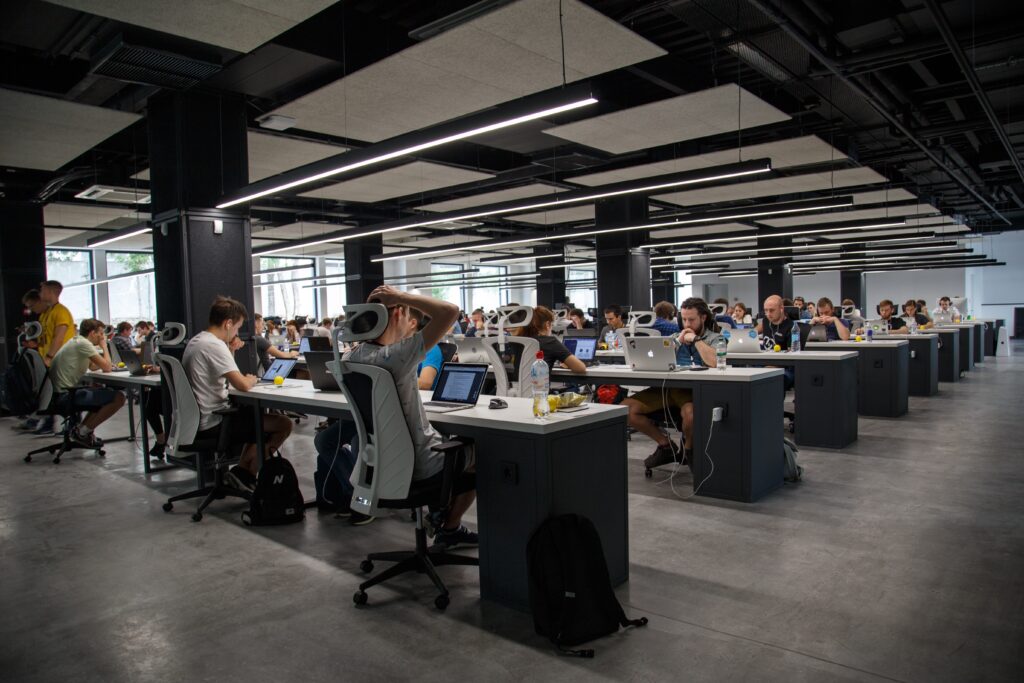
According to the Health and Safety Executive, work-related stress could worsen already existing mental and health issues.
Nat motivates people to believe in themselves and try starting a new venture. “With hard work and a good idea – you can actually do it.”
Leave a Reply