
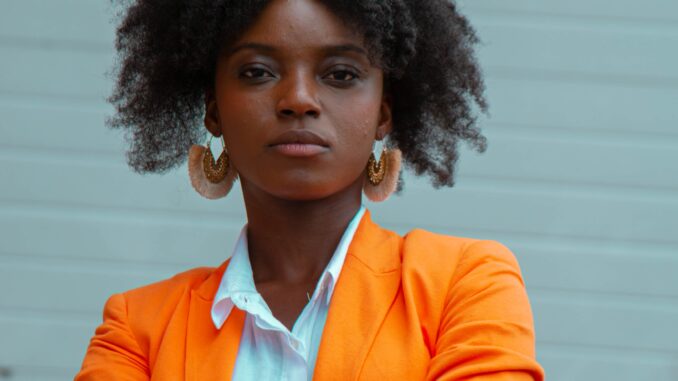
Photo by Etty Fidele on Unsplash
By Hajaratu Kamara
From a young age, the idea of professionalism is taught to children, Quite often, the message is the same: to look professional, you must wear a suit and tie, and have “neat” hair.
This definition is taught to us in our primary and secondary educational years, and installed in us through the mandatory wearing of school uniforms.
But sadly, it’s not enough to simply wear the right thing. There have been many cases where people of Afro Caribbean descent have been told that their natural hair is deemed “unprofessional”.
Not part of the policy
In 2020 Ruby Williams, a student at the Church Of England school Urswick, was sent home during one of her GCSE exams after the school claimed her natural Afro hair wasn’t a part of the school’s uniform policy.
Williams was awarded £8,500 in an out-of court settlement – but many children have not been so lucky.
Last year, a secondary school student in Texas was barred from graduating because he had dreadlocks, the Guardian reported.
“The dress code is designed by white people for white people and is damaging to black bodies,” Ashton Woods, a Black Lives Matter activist, was reported as saying in a public meeting convened to address the issue.
In 2020 the Halo Code was created by the Halo Collective; a group of activists who have pledged to help fight discrimination against Afro hair and to educate the masses.
The Halo Collective has launched many successful campaigns such as ‘The Big Hair Assembly’ and ‘World Afro day’. They have been helped in their quest by support from Dove and Unilever, their parent company.
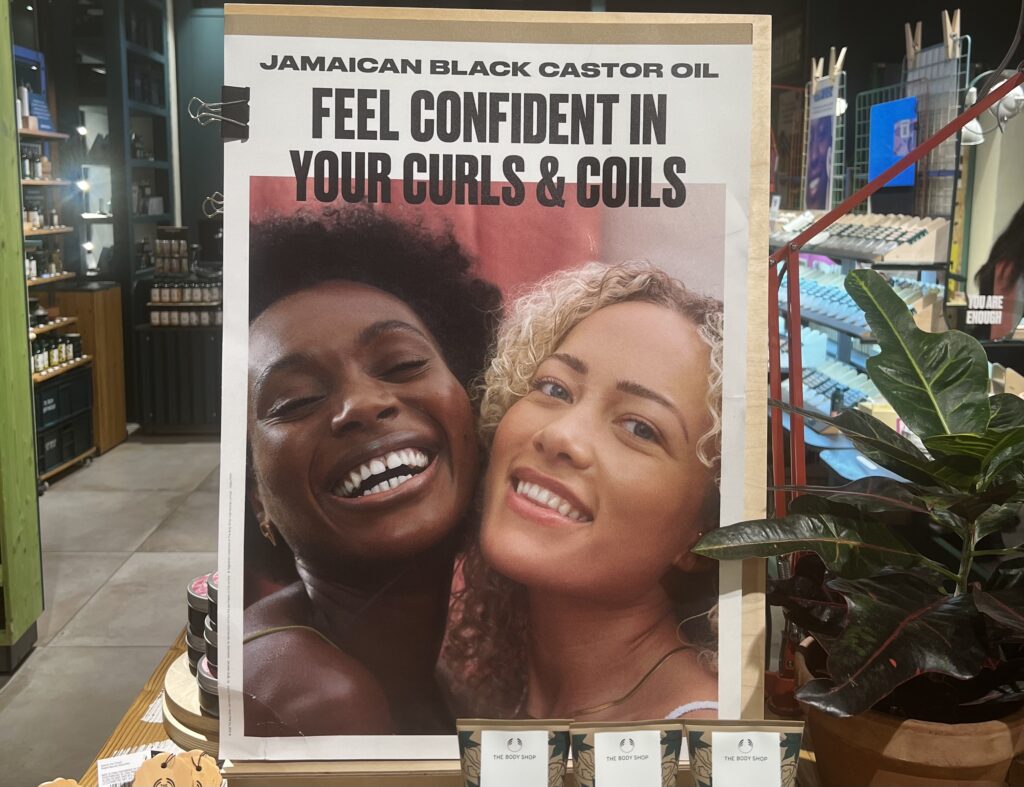
Although many movements are now in place to support people with Afro hairstyles, many women still don’t feel confident enough to wear their natural hair out.
“I definitely feel as though I need to alter my physical appearance in order to be deemed professional,” said Olanrewaju Abdul-Gaffer, 26, marketing account manager.
“My natural hair is dreaded and even when it is freshly done and retwisted I don’t get the same reception as I would if I was wearing a wig,” she added.
Switching to fit the job
A study conducted by the Crown Aoalition and Dove in 2023 found that 66% of Black woman change their hair for job interviews.
“I always alter my hair especially for interview. I’ve rarely worn my hair out for work unless it is straightened,” said Vanessa Davis, 25, assistant psychologist.
Although more than half of the Black women were found to alter their hair, there are are still many woman are confidently wearing their hair regardless of the stereotypes surrounding Afro hair.
“At my current work place I do feel incredibly safe, I don’t feel like I have to make any changes to my appearance in order to feel comfortable,” said Catherine Jackson, 27, client account executive.
“I currently go to work in my natural hair and it has been that way for the last six months and none of my colleagues have made any comments or made me feel uncomfortable.
“However I do feel like this is as a direct result of me purposely not altering my hair or other parts of my appearance when I started at my current role because I didn’t want to keep up with maintaining that particular beauty standard.”
Leave a Reply