

By Amalie Meland
Handcrafts are no longer considered a “grandma activity” as young people used lockdown to learn the skills needed to crochet, knit and sew. Fast fashion is one of the big polluters in the world, and people are looking for better alternatives.
A survey by Brother Sewing showed that one in five Brits started stitching and doing embroidery during the pandemic. Arts and crafts retailers, Hobbycraft and LoveCrafts, saw a surge in knitting and crochet supplies.
TikTok knitter
London-based Alexa Kari, 23, magazine editor, is one of many that took up knitting under lockdown, and she is showing her work to her 129.1K followers on TikTok, @a.lexakari. In her new magazine, Material Grrrlz, she has different knitting patterns people can use.
Kari says knitting and crocheting is a great way to consume fewer clothes. “A lot of people are working to consume less fast fashion, and making your own garments is about as slow as it gets! I also think social media has made inspiration for knitting/crochet projects so accessible, so more people have the resources they need to start.”
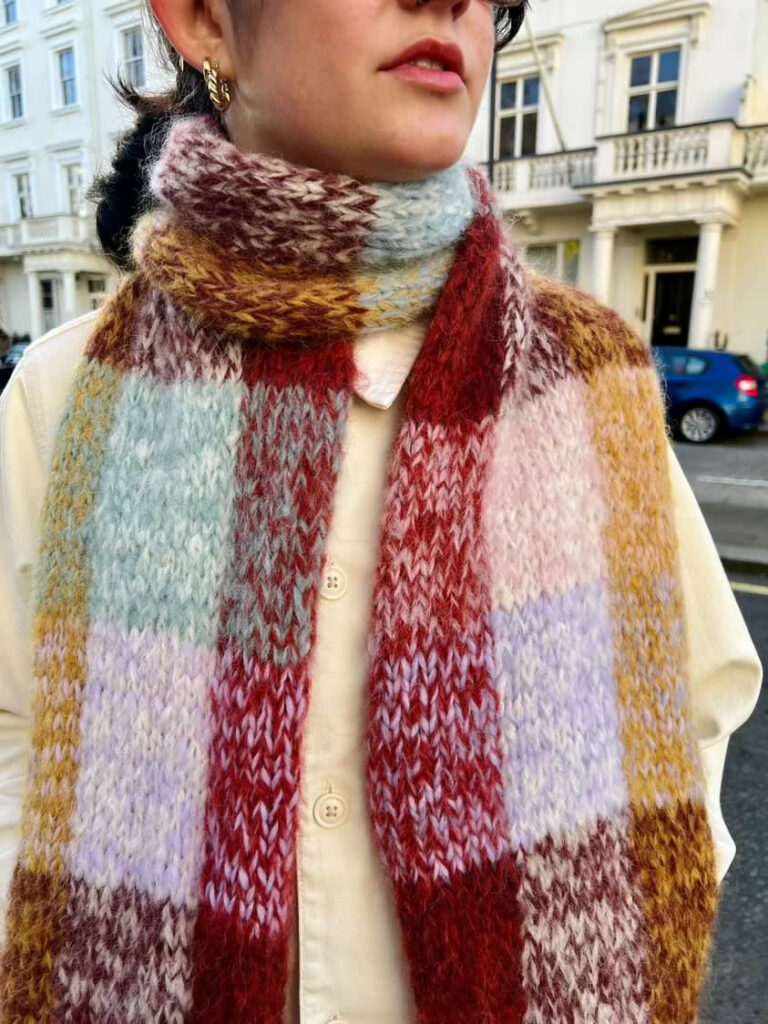

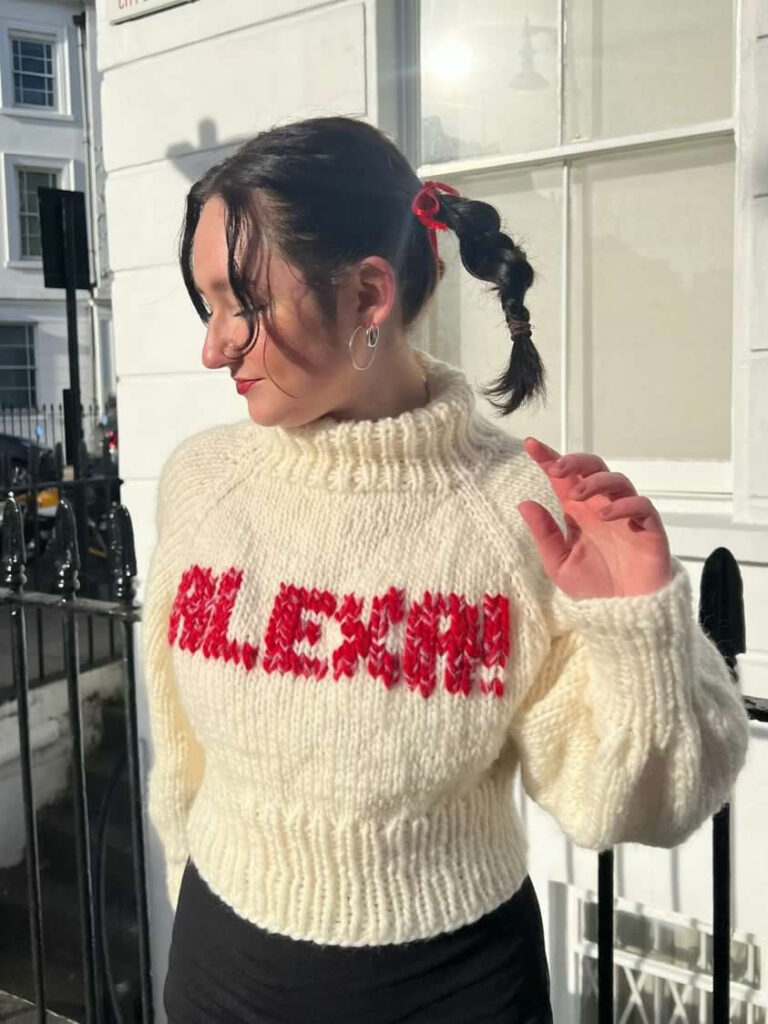
Knitting suits her interests, she said. “I love it because I get the opportunity to work at my own pace and challenge myself creatively to make garments that fit my body and style exactly.”
Where to start
Several places in Islington help people learn to make handicrafts. The FC Designer Workspace on Durham Road is a community-driven project which offers private studios, training space for local designers, beginner courses, mentoring and masterclasses from industry experts.
Gee Fletcher, 24, the project development coordinator, has worked there for almost six years. According to her, the workspace is aimed at creating an affordable workspace in London for people in the surrounding areas:
“We have a massive cutting table, we have loads of machines and studio space,” she said.
Fletcher noticed an increase in people wanting to learn to make their own clothes in lockdown.
“I think everything, the Brexit situation and Covid, has made people look more at themselves and see what skills they want to learn, so I think yes they did want to make more clothes and we do upcycle workshops as well.”
According to the BBC, 2021 was the year of knitting and crafts. For UK retailer John Lewis there was a 90% increase in demand for needles and wool, as well as LoveCrafts, a British company with offices in Germany, Ukraine and the US, reports a 166% jump in yearly orders as people turned to sewing and knitting during the lockdowns.
The Designer Workspace offers free beginner classes going on for five weeks, where people can learn how to make a garment from start to finish.
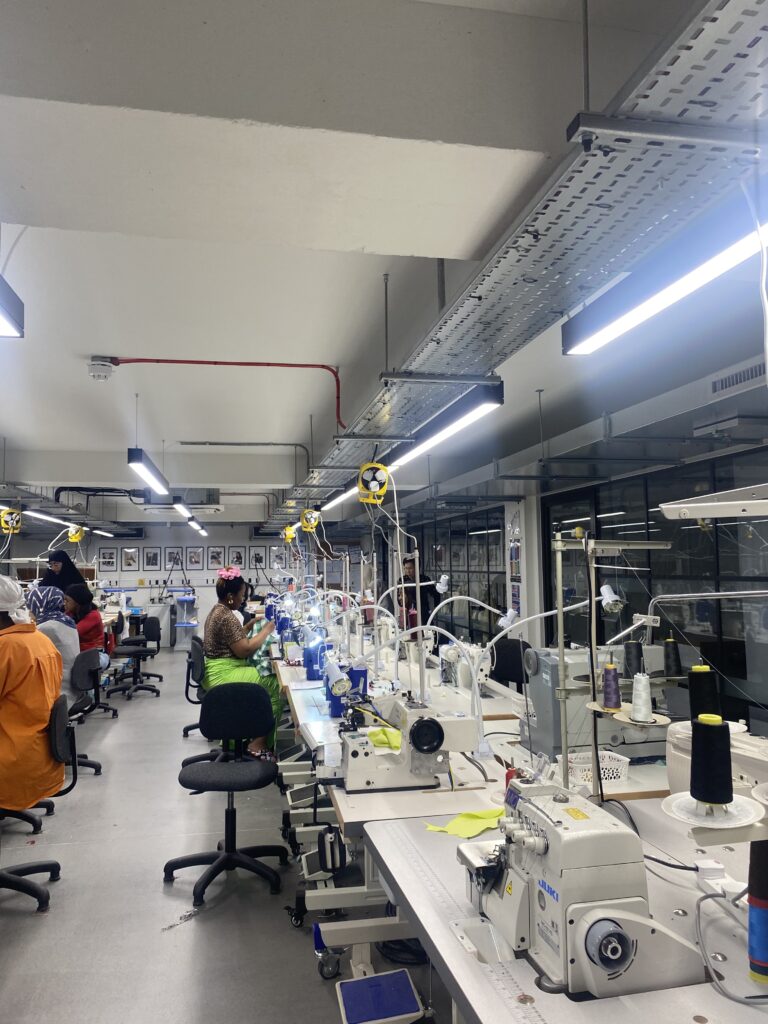
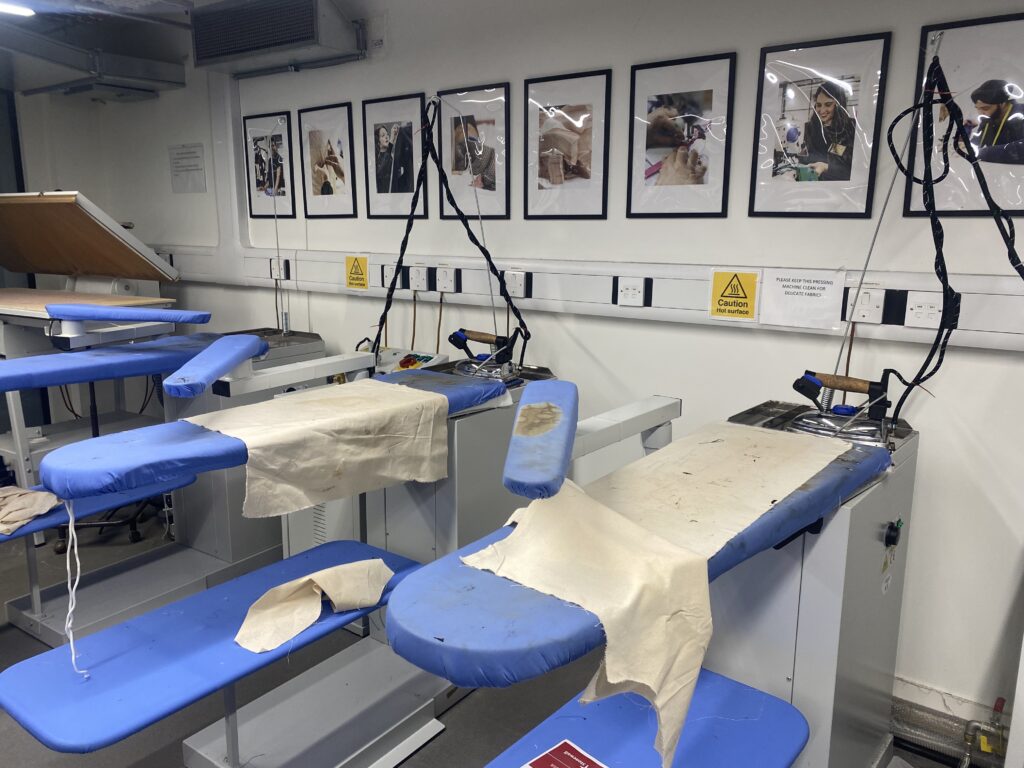
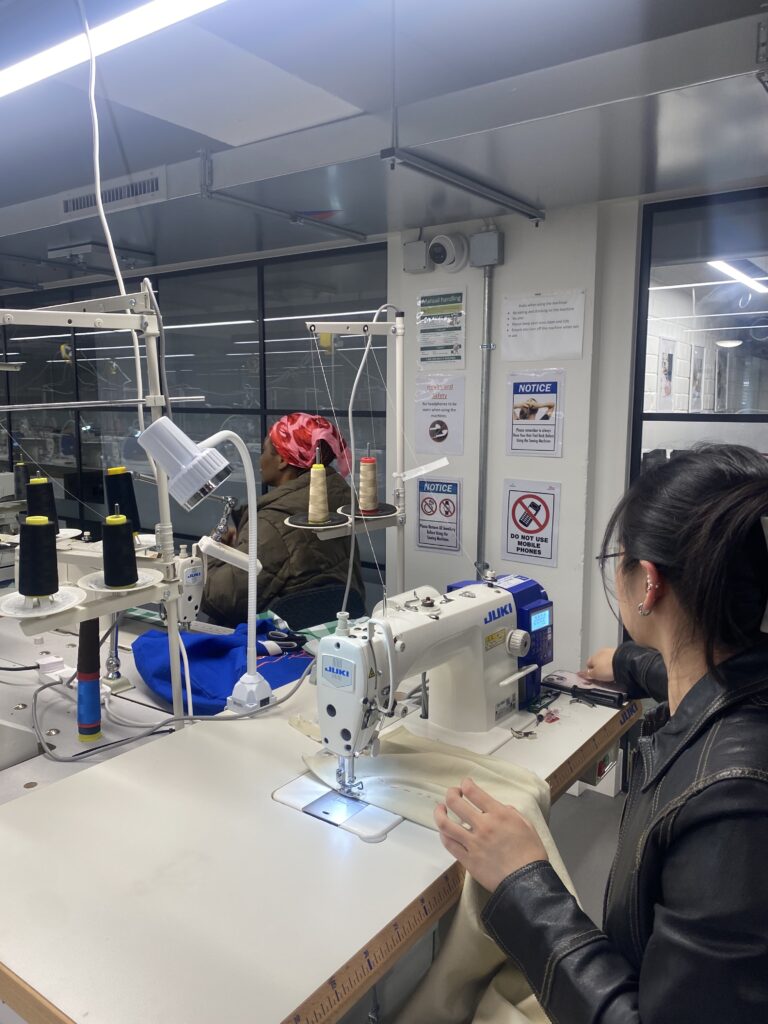
“It’s between 15 and 20 people on the courses on average, so we have pattern cutting and stitching. Stitching, pattern and cutting would be over at the factory, that’s where they are leaning. So that’s level 1 and they can do level 2 and wherever they want to go from there.”
Anna Cover, stitching teacher, is running these courses, and encourages anyone to come in, no matter the skills they have.
“We have people coming in and they have no clue on how to use machines and how to construct clothing. By the time they leave here, they can already start their own business. So it´s quite impressive.”

Waste in the fashion industry
Sustainability is one of the reasons many people want to learn how to make their own clothes and upcycle old ones, Fletcher said.
“Upcycling is great and, the culture of thrift shopping and going to charity shops and buying things second hand to prolong existing garments.”
People who know how to sew can see many opportunities when shopping second-hand, she added.
“To buy stuff from the shop and making it fit you a bit better, it just adds more opportunity to the lifecycle of the garment, and then again you can hand it to the next person, and they will probably pass it on again.”
The younger generation in particular is tired of throwing away clothes, she said.
“We want to buy cheap things, but people are more effort conscious now. So, I think adding less waste to the planet and prolonging the garments is very important. And I’m really happy it’s happening.”
Youngsters take over the local knitting shop
Loop London is a local Islington Shop selling knitting supplies. Carole Downie, shop manager, has also seen an increase in people coming in since lockdown.
“We have seen a lot more newcomers. Crochet especially since lockdown has like gone really high, it´s a lot of people that have taught themselves over lockdown. Especially crochet because it´s much easier to learn yourself, teach yourself crochet.”
Knitting and crocheting is often something one associates with old people, but it is a lot of young people that took on the crafts in lockdown, she said.
“A lot of youngsters learn how to crochet. Probably like 25-35, that group.”
Rhona MacKillop, 26, Shop Assistant, adds: “A lot of our customers, many would think it is old people, but most of them are really young actually.”


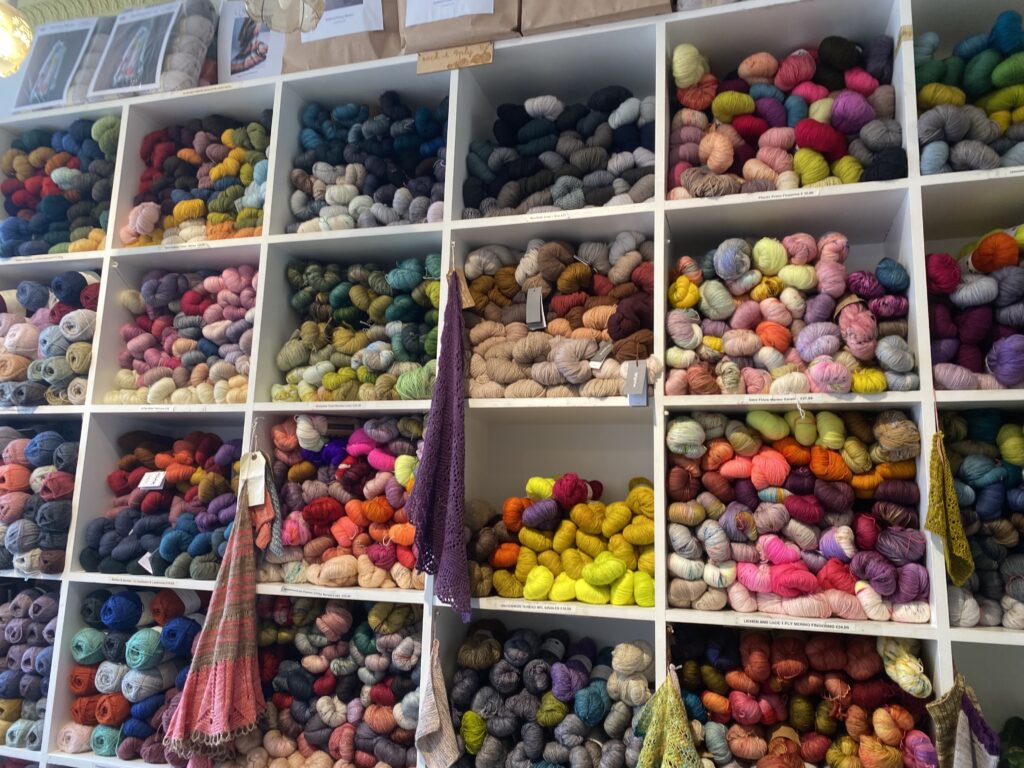
The impact fashion has on the environment is also why more people want to learn handcrafts, according to Downie.
“There is definitely an upturn of people wanting to make their stuff last. It had a big upturn in the past 2/3 years.”
Learning how to make a garment, makes you appreciate it more, she adds. “I think once people appreciate how long it takes to make something and how expensive it actually is to make something. It makes you appreciate what you’ve got a bit more.”
When people realise how much time and effort it takes to make a garment, they understand better why fast fashion can’t be ethical. Seeing how cheaply you can buy something that would take a lot of time to produce, as well as the price of the materials, shows that there is not anything ethical about fast fashion.
Expert tips on how to get started
Listen to Fletcher sharing her tips and ideas:
Kari: “I definitely recommend that beginners start out with big needles, thick yarn, and a basic pattern like a scarf. I think this is a great way to set yourself up for success, so you can see your progress really clearly and feel motivated to continue.”
Downie: “Just not to stress too much, it´s just meant to be something to do for pleasure and it is only two stitches at the end of the day. It doesn’t need to be perfect, as long as you are doing it.”
MacKillop: “Be quite adventurous with your stuff, like don’t be so fixated on the pattern. You can be quite experimental with your colours and your yarn and make something that you actually want to wear and actually want to have. Because you then will probably want to make more, or like a present or something that you are excited to make, rather than just learning for the sake of learning.”
Leave a Reply