
By Amalia Radu and Rose Blanchard
Plastic has been around since the 1800s, and what was once a rarity has now become an integral part of our everyday existence. From supermarket aisles to the shoes on our feet, plastic is everywhere – and everywhere it is causing problems. We eat and breathe plastic from the moment we are born and we will until something changes.
But how did we get here?
Plastic became popularized as an alternative to other sorts of packaging, such as paper and glass, in the 1930s due to its cheap price of production and its durability.
But nobody thought about its long-term effects on the environment, which has been exacerbated by the need to protect food and other products that are often sold in bulk worldwide. And in the midst of a global pandemic plastic has reared its ugly head even more, as many shops are using plastic packaging more and more to provide safer food for their customers.
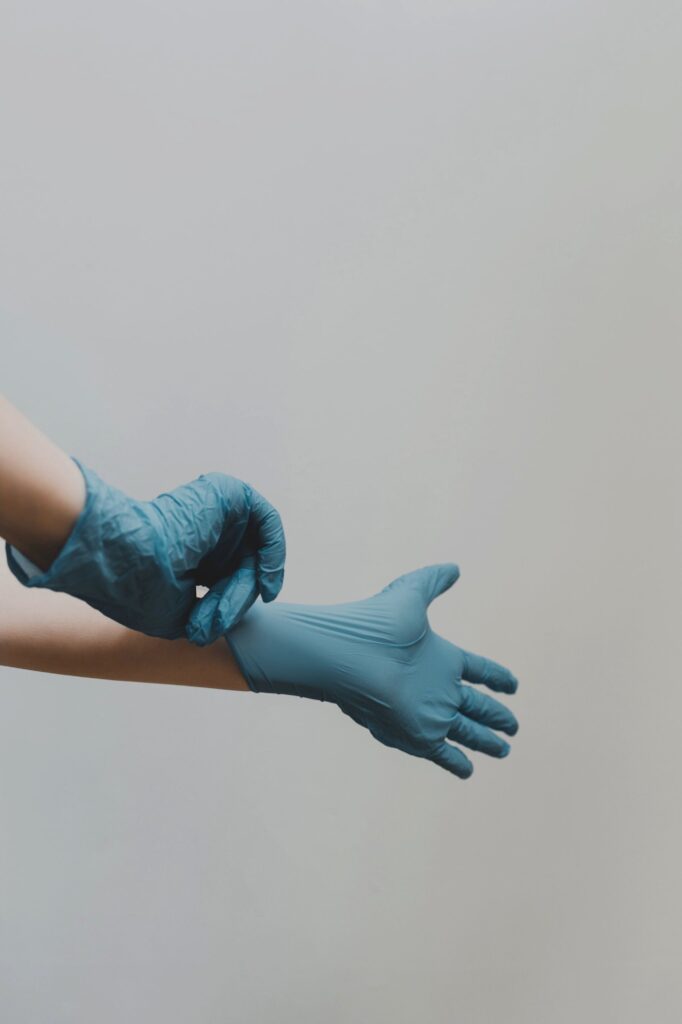
It is no secret that plastic is very useful as a material. The British Plastics Federation stated the primary reasons we rely on plastic are for “Protection, Preservation, Prevents Waste, Transportation, and Displaying product information”. Plastic has proved itself particularly useful in providing PPE for those living and working through the Coronavirus pandemic.
But while this manmade material has been praised for attributes such as convenience and durability, many of its flaws have been woefully ignored. Now we are facing arguably the biggest threat to our existence, the climate crisis, and there is simply no room to take plastic with us if we want to step into the future.
What are the consequences of plastic packaging?
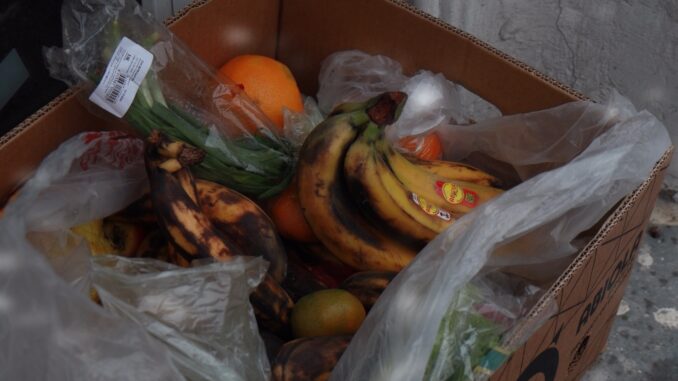
The use of plastic packaging, especially for packing fruits and vegetables, is linked with another environmental issue: food waste. According to a study run by the UN, one third of the food produced today is wasted.
But food has now become a privilege. At the same time that so much is thrown into the bin, 21,000 people die every day from hunger and almost 800 million people go to bed hungry each night, according to the International Food Policy Research Institute.
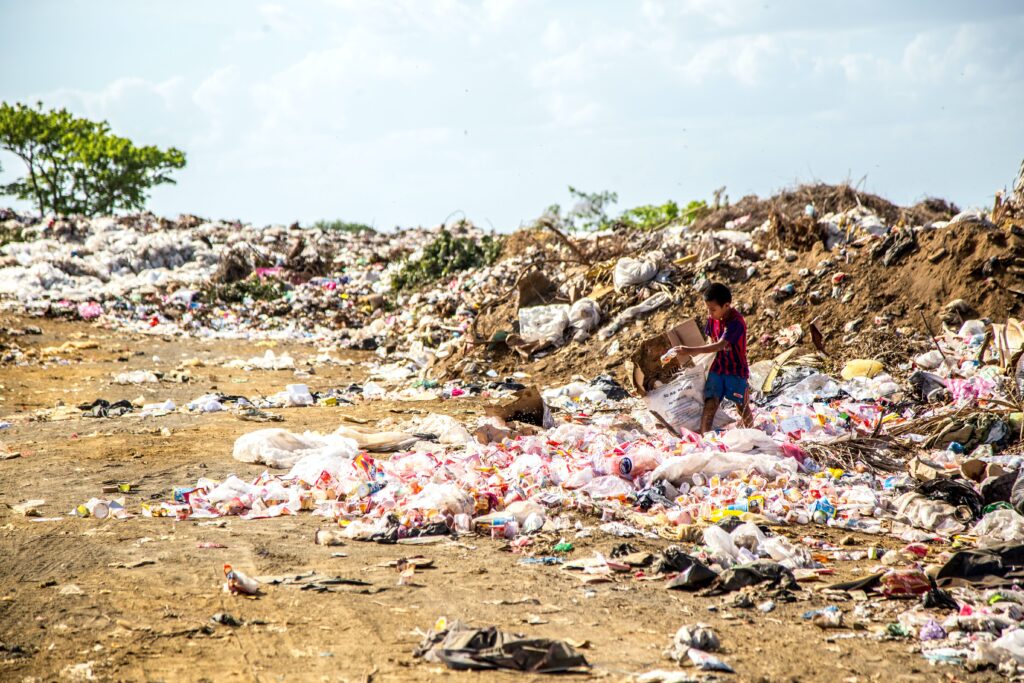
The UK is the second-largest exporter of plastic waste in the world, exporting two-thirds of its plastic waste to countries such as Pakistan, Vietnam, and Indonesia, according to the Basel Action Network. These countries do not have the capacity to recycle waste, so it is burned or buried, which creates a loop of problems ranging from affecting the air humans breathe to the water they drink.
How do we defeat the enemy?
Alternatives to plastic packaging should be found. In the last couple of years, scientists have tried to develop a new form of material that can play a replacement role for plastic packaging. For example, SoluBlue is a company that creates hyper-biodegradable materials as an alternative to plastic and bioplastic.
“I think packaging should be more environmentally friendly,” said Megan Morgan, 19, a student from London Metropolitan University studying Journalism, Film and TV.
“Paper/cardboard packaging would be a better alternative, or selling food ‘loosely’ where you bring your own reusable containers and purchase what you need also reduces waste whilst saving the environment from single-use plastics.”
While we are looking for alternatives, we can all do our part. People can carry cloth bags with them on their food shops, and the shops themselves can adopt a more environmentally-friendly policy, such as eliminating plastic packaging and encouraging buyers to bring their own bags made out of sustainable materials.
This is the case of Packaging Not Included, a shop based in Marlborough, Wiltshire that has a policy that encourages plastic-free shopping and refills. You simply weigh your container, fill it with whatever products you need from pasta to shampoo, and weigh it again. Customers are charged only for the products they will consume.
But Eve Tarring, 22, a student from the University of Bristol studying Environmental Chemistry, believes that we will “never” live in a plastic-free world. “We can’t ditch plastic; you can make the transition to biodegradables plastics but we will never be completely free of plastic,2 she said. Tarring highlighted that this is a difficult transition but an important one. And one that must be accomplished in the years to come.
Act now!
It is estimated that by 2050 there will be two billion more people on Earth than there are today. A lot of global organisations have already set goals to end food poverty, but the truth is the real change lies within us. Humans need to stop being indifferent and act now!
Leave a Reply