
By Lusiana Avalos and Nicky Detain
The river Thames has been an iconic part of London since the beginning of the city. Most significant landmarks are close to the river, like the London Eye, Tower Bridge and Houses of Parliament.
However, one cannot talk about the Thames without mentioning the state it currently finds itself in. Despite some areas looking decent, even with fair proof with the current dolphin spotting, if you walk by the riverbank, one can easily spot countless of plastic rubbish.

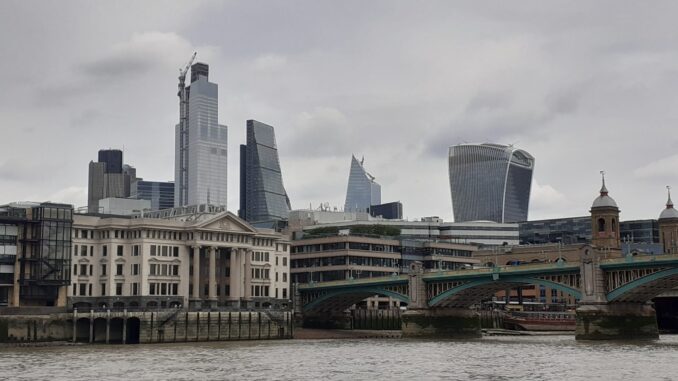
Photo by Nicky Detain
How did the river get so polluted?
Much of the Thames’ pollution is a result of sewage being deposited into its waterways. According to the Guardian, around 39 million tonnes of sewage makes its way into the river every year.
In the north London town of Edmonton, the discharge of effluent from Deephams Sewage Treatment Works contributes on average, to almost half of the downstream flow of the river Lea, a major tributary of the Thames.

Infographic by Nicky Detain
According to the Port of London Authority, all commercial vessels will be prohibited from discharging waste and sewage into the Thames from the beginning of July, but the new law does not directly prevent Thames Water and London’s wastewater treatment plants from pumping effluent into the river.
The PLA also says that around 300 tonnes of rubbish, much of which is discarded plastic, is removed from the Thames each year.
Mick Scott, 64, an Islington retiree, says that enough isn’t being done to manage the extent of the pollution in the Thames, “the water companies are disgraceful, [they’re] charging us too much, and then dumping too much crap in the water.”

Leave a Reply