
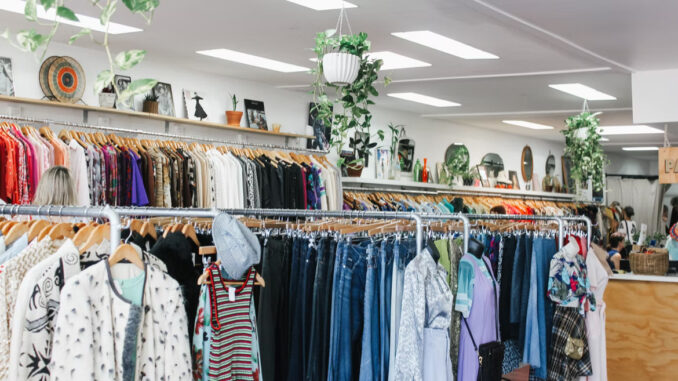
Sustainable fashion is on the rise and, it’s changing more than you think
By Fiona Vitija
Over the past couple of years, people’s interest in sustainable fashion and what it means for our environment has sky-rocketed. In 2018, it was reported that 350,000 tonnes of clothing were being sent to landfills. Other reports have stated that there are enough clothes on the planet to clothe the next six generations.
The Covid-19 pandemic resulted in many different things; one being that people are now thinking and rethinking about the way they live their lives. A study conducted in 2020 by management consultancy firm Accenture found that 60% of people reported making more environmentally friendly, sustainable, or ethical purchases since the start of the pandemic.
It comes as no shock to many of us, as we used the long months locked inside our homes as an opportunity to declutter and reorganise ourselves. As a result, many of us have decided to donate pre-loved clothing and items to charity, while others took to selling clothes on second-hand sites such as Depop, eBay and Vinted, to make some money back.
However, it is not just Covid that has altered the way people are viewing the second-hand market. In the last six months, there has been a massive increase in the cost of living in the UK. The Guardian reported earlier this month that inflation has hit a 40-year high of 9%, as the cost of food and energy soars.
Thousands of people struggling to make ends meet has resulted in people turning more to the second-hand market, as it is far more affordable than shopping on the high street – and it also allows them to stay trendy.
It’s a win-win!
Shifting to sustainability
A conscious shift in the perception of second-hand shopping and charity shops is changing the way we look at fashion. The younger generation in particular has shown an astounding amount of interest in second-hand shopping, completely changing the perception of charity shops as “dirty” and full of “bad” clothing.
In fact, Gen Z (those born between 1997-2012), unlike other generations before, has shown a large amount of love and respect for art and individuality – and that includes the way they dress.
“Shopping second-hand and from charity shops allows me to express myself in a way that the fast fashion retail world doesn’t let me,” says Isabella Lloyd a 23-year-old master’s student living in London.
“I can find pieces that no one else has, I can also alter them however I please to make them even more me.”
Charity shopping allows people to find pieces that are unique and also allows them to upcycle pieces for a small price. What’s more, apps such as Tiktok have allowed many users to become more educated on the matter of sustainability.
Over lockdown, many started to upcycle their clothing or start up their own sustainable and conscious brands. Tiktok has also allowed people to showcase their journeys in becoming sustainable, and have inspired many to follow suit.
It’s not only on social media where this shift and growth for sustainable fashion can be seen. Only a week ago, Love Island released a statement stating that for their 2022 show they will be ditching fast fashion brands and will be partnering up with eBay to style the contestants. Sustainable fashion advocates such as thethriftythinker on Tiktok called this a “huge deal that will change the way people perceive fast fashion.”

Reselling what you no longer want
While shopping in charity and second-hand shops has increased, it has unfortunately created a resale market. Plenty of young people have seen the trend of ‘vintage’ fashion as an opportunity to upsell items they find in charity shops on apps such as Depop. Many items are priced at more than three times the original selling point, which has created quite an issue.
One of those issues is that charity shops at times are being depleted of all the good deals and good pieces – which has led many to turn to fast fashion as a way of getting around the problem.
Hannah Hoyles, a 23-year-old bartender from Swansea, voiced her concern on the matter. “I’ve seen way too many girls and know girls who have gone into charity shops buying pieces they know they can resell and make a profit on. It leaves a lot of us who can’t afford some of these nicer things like Zara jeans with no choice but to turn to fast fashion brands like Shein for cheaper options.”
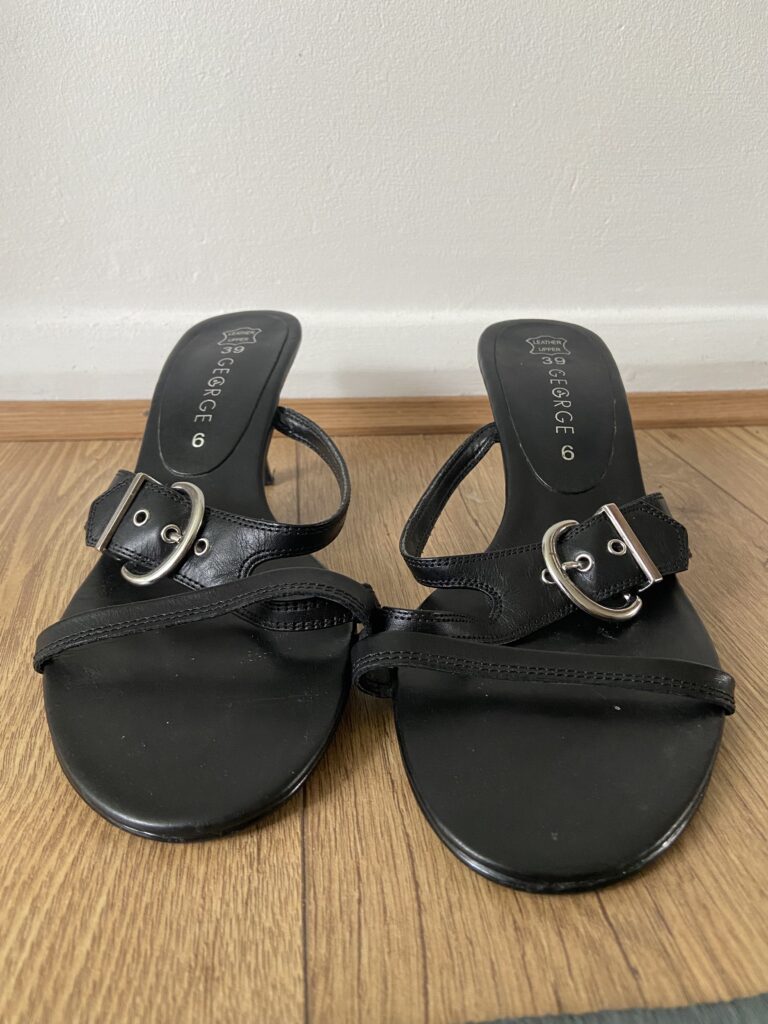

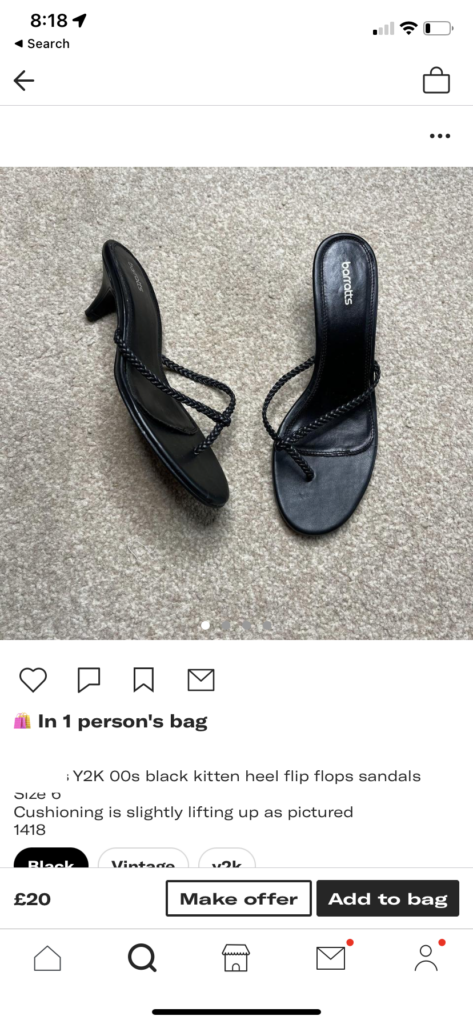
Whilst it has created an issue, it also highlights the extent some have found themselves going to, try and make an extra income in these times of uncertainty. Should we be blaming them or someone else?
What does this mean for charity shops?
Charity shops are becoming more popular and shoppers are also having to deal with the current financial climates, so many charity shop goers have said that they have seen a hike in prices in their favourite second-hand shops.
Holloway Express surveyed 73 people from across the UK asking if they felt that there has been an increase in prices; 89% voted yes while only 11% voted no.
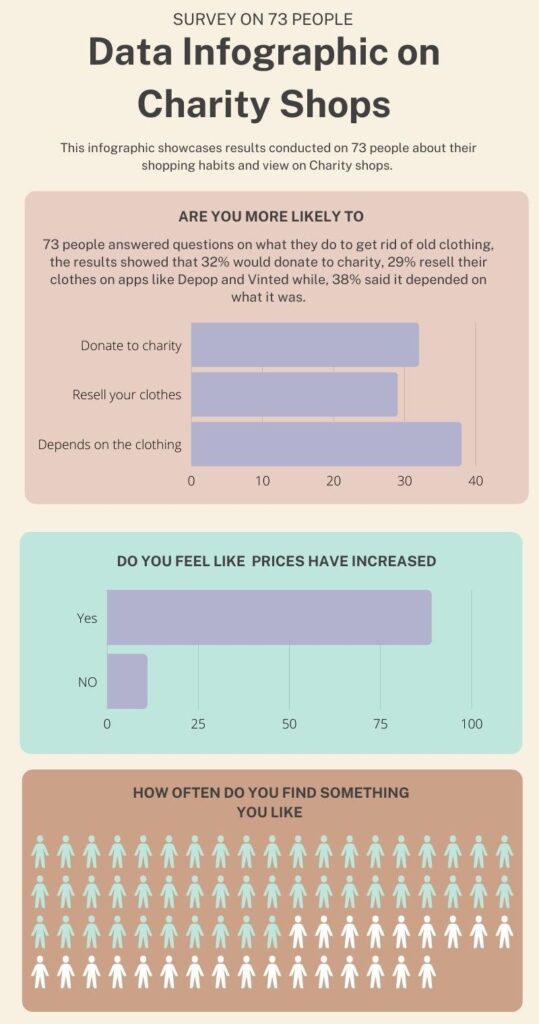
While price rises in charity shops might not affect most of us, what does it mean for those who depend on them as a means of having clothing?
Darrin Reeves, an assistant manager at the RSPCA charity shop in Ruislip, London said: “It’s only in the last couple of weeks that we have had to rise our prices due to the financial times.”
While this may be the case in some charity shops the same can’t be said for others. Only down the road from the RSPCA in Ruislip is the Sue Ryder charity shop. Sales assistant Cherralang Goltey had a story to tell:
As for the resellers who shop around to resell on apps like Depop, the staff at the two stores seemed unaware of the matter. They were quite happy about younger people shopping at the charity shops.
On the one hand it’s money spent on charity, which is going towards helping people who need it the most. On the other, it’s exploitation.
Where can I donate and help?
There are still plenty of ways to donate your clothes and avoid the possibility of them being resold online for a profit. You can always donate directly to homeless shelters, where they help hand out clothes to those in need.
The Salvation Army also has drop-off banks where you can donate clothing and unwanted goods to be re-homed. Use their website to find your closest drop off station.
Leave a Reply