

By Giulia Mura

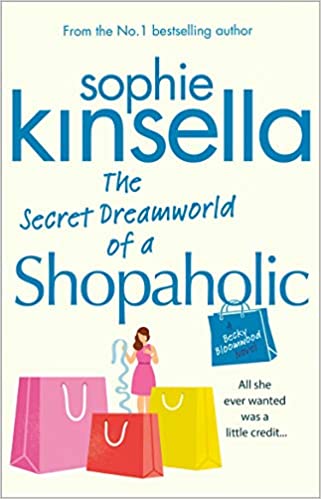
“When I shop, the world gets better, and the world is better, but then it’s not, and I need to do it again.” These are the words of Rebecca Bloomwood, protagonist of The Secret Dreamworld of a Shopaholic, written by Sophie Kinsella.
This hilarious novel tells the story of a journalist and her obsession with shopping and fashion in a tragicomic way, with Bloomwood ending up being submerged by the economic debts that she creates.
But what her tale really exposes is what many people suffer from in real life : an addiction to purchases.
Compulsive shopping disorder occurs more frequently in women but does not distinguish between sex and age. It is an irrepressible desire to buy something, anything, but usually clothing and accessories – often very expensive – without thinking about the consequences that could present.
This desire can even manifest itself on a physical level, with an increase in heartbeat and sweating, which reaches its peak at the very moment of payment, and then goes to subside almost immediately in the following hours. In this way the buyer feels, most of the time, the need to shop again.
While these episodes occur much more frequently during difficult or particularly stressful periods of life, they can also happen in moments of extreme happiness (such as the achievement of a goal, even a small and irrelevant one). Any occasion can be justified with the excuse of “we need to celebrate something”.
In a world where throw-away fashion is seen as normal and fast fashion is commonplace, it is easier than ever to become a shopaholic, and hide a serious disorder under the guise of “normal purchasing”. But this behaviour is not only harming individuals, but is potentially harming the environment.
Impulse control
Compulsive shopping falls under the category of an “impulse control disorder”, as sufferers are unable to control their impulses, although some psychologists argue it could be connected to obsessive-compulsive and other disorders. Each purchase releases more and more endorphins in the brain, which means they the behaviour literally becomes addictive.
As with other addictions, compulsive shopping often results in problems with relationships, as well as financial difficulties. One of the main characteristics of this pathology is the lies that the affected individual will tell continuously to explain and make sense of their actions.
“I have two credit cards. One that I have funded and am repaying with instalments and one that I use every month, ending the available credit limit,” says Anna Bianchi, 27, a nurse and fashion victim.
“Every time I invent a different reason to fool my mind, and buy something. Even a tiny little thing makes me more fulfilled. People around me, friends and relatives, often notice and ask me for prices and I lie most of the time because I don’t want to face their criticism if I tell the truth.“
Professional help
As with addictions to substances such as alcohol or drugs, psychological support from a professional who can analyse the situation reaching the root of the problem and limit the damage can be fundamental in curing shopping addiction. This is precisely because the mind of a compulsive buyer will hardly be able to manage their impulses and desires by itself, despite the possible financial problems, because during the thrill of the purchase they feel intense gratification.
Psychologists also believe that compulsive shopping is a way to cope with other problems, such as depression and anxiety. People who are compulsive shoppers are also five times more likely to suffer from borderline personality disorder, according to research.
Sophie Smith, 22, is a healthcare assistant in London and a self-proclaimed shopping addict, who is being helped by psychotherapy. “With my therapist we have a plan that allows me to have more self-control. When I want to buy something, I think about it and wait at least half an hour. It’s a good method and most of the time the desire passes by itself and the object loses its value,” she says.
People affected by the desire for compulsive shopping tend to enhance the sensation of buying, even when it comes to normal things, because they believe the experience is a substitute for the fulfilment of other gaps in their lives, most of which are emotional.
The advice? Do not underestimate the signals that you might be a shopaholic, and take this psychological condition seriously. It could lead to truly negative and irreversible consequences, not only economically but also in a person’s social and private relationships.
Leave a Reply