

By Maria Wasag
More and more tattoo parlors are opening up in London, and the clients are mainly young people who can pay really large sums, even for a small tattoo, and are also not afraid of potentially high health risks.
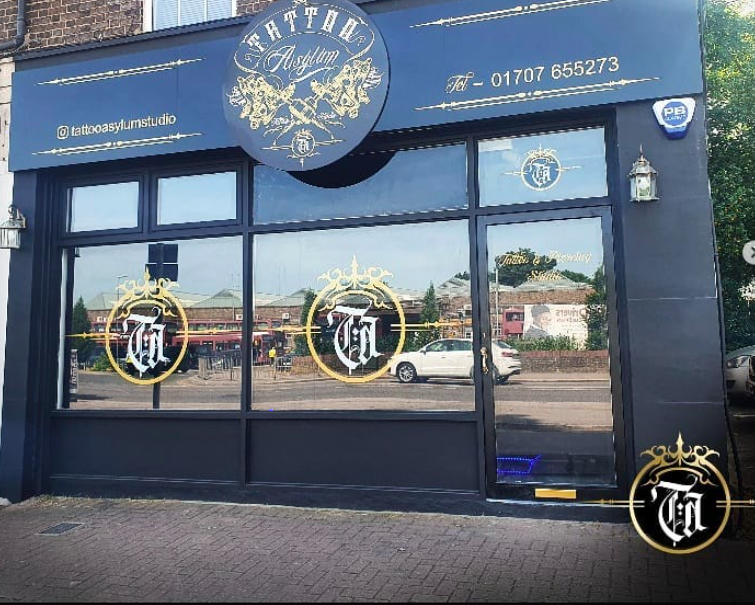
Tattoo Asylum in Potters Bar, north London, is one of the tattoo studios where the business is really booming, and the owners are seeing more and more clients every day.
“I would say there is really a lot of young people, a higher percentage” than in the past, said a one of the workers at the studio, who did not want to give their name.
“This is definitely addictive for young people, another way to modify your body. Some people just like pain. They want to be the best and compete with each other by posting photos on Instagram,” they said.
“There was one young girl who was a student and she was tattooed with ink because she liked pain.”

Not everyone is mentally and physically tough enough to endure the pain of needles but many do – they will put up with anything, thanks to social media, in the race to get as many likes as possible from a photo of a tattoo posted on the web.
Previously, tattoos were a form of body adornment, or they just meant something to a person. Now they more often than not are a form of competition.
Health risks
Apart from the risk a dirty needle or equipment can pose, the main health risk from getting a tattoo is infection. Yellow ink can also contain cadmium sulfate, which is carcinogenic, according to Austin MedSpa, but young people “don’t pay much attention to it”, said Marioj Vegas, a tattoo artist from Tattoo Asylum.
According to Dalia Research, 32% of respondents aged 14-29 have a tattoo compared to 45% of those aged 30-49 and 28% of those aged 50 and over.
Since 2000, when people started to use tattoo services more and more often and admitted it openly, the popularity among young people increased by 55 percent, and contrary to popular belief, more women (40%) than men (36%) have tattoos.
Leave a Reply