
By Dantes Odogwu
The first Covid shutdown in the United Kingdom began on March 23, 2020, when Boris Johnson issued an order for everyone to stay at home and only leave for vital reasons. This forced all non-essential companies, including religious institutions, to close temporarily.
Many people rely on places of worship for spiritual guidance, and they bring communities together as well. They are, however, particularly prone to the spread of coronavirus due to their communal character.
During the pandemic, churches, mosques, and other religious buildings did not function to prevent the disease from spreading, causing community worship to be disrupted and members praying via internet platforms.
As the restrictions were lifted in the United Kingdom and in-person services resume, there was widespread concern that attendance will continue to decline.
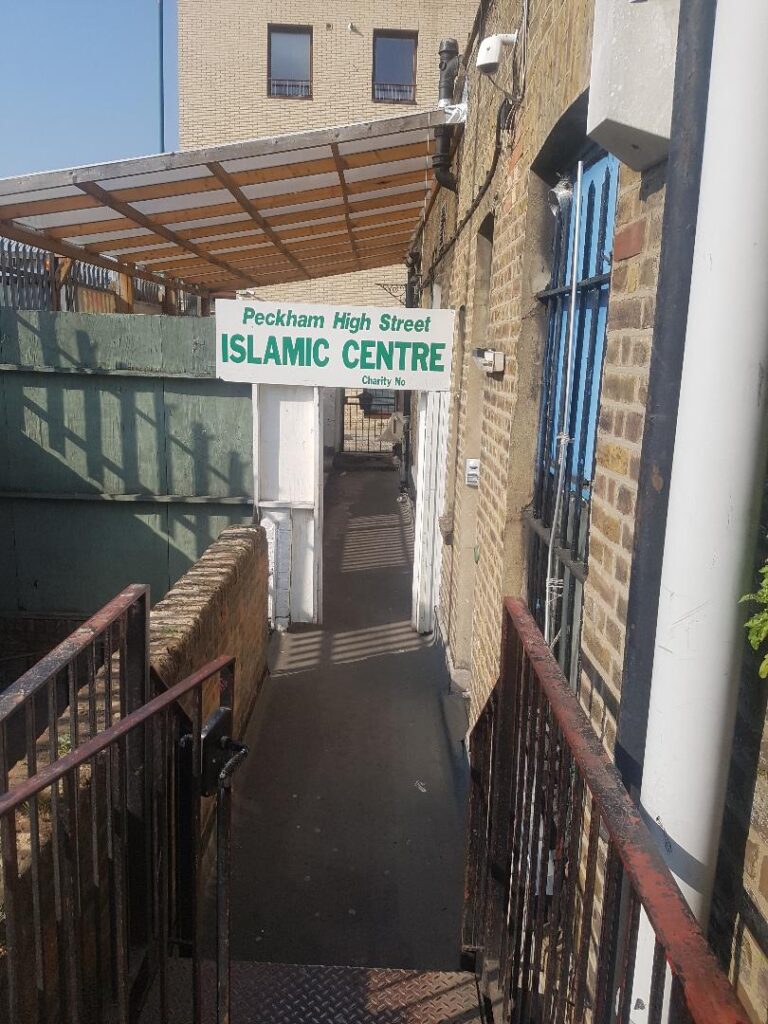
“I really don’t feel like worshipping at the mosque again after the Covid, said Abdul Azeez, 39, a repair person and member of the Islamic Centre, Peckham High Street.
“I have come to realise that Allah is everywhere and that my prayers will be answered even if I pray at home. My environment is quieter and calmer, and I am comfortable praying at home.”
The coronavirus pandemic has posed daunting challenges for houses of worship across the United Kingdom. With millions of individuals staying at home during the coronavirus pandemic, there is a reluctance among members to return to communal worship.
John Smith, 45, member of Haddon Hall Baptist church, Tower Bridge, London said: “Personally, it is dangerous to worship in a large group, especially now that Covid is increasing again.
“It is better to play safe even if we continue to worship using the online way. Wisdom is the principal thing and that’s what the church of God needs during these challenging times.”
Even before Covid-19 swept the globe, weekly attendance had plummeted. Smaller faith houses are the most vulnerable to a downward spiral and are trying to adjust because of the effects of the pandemic.
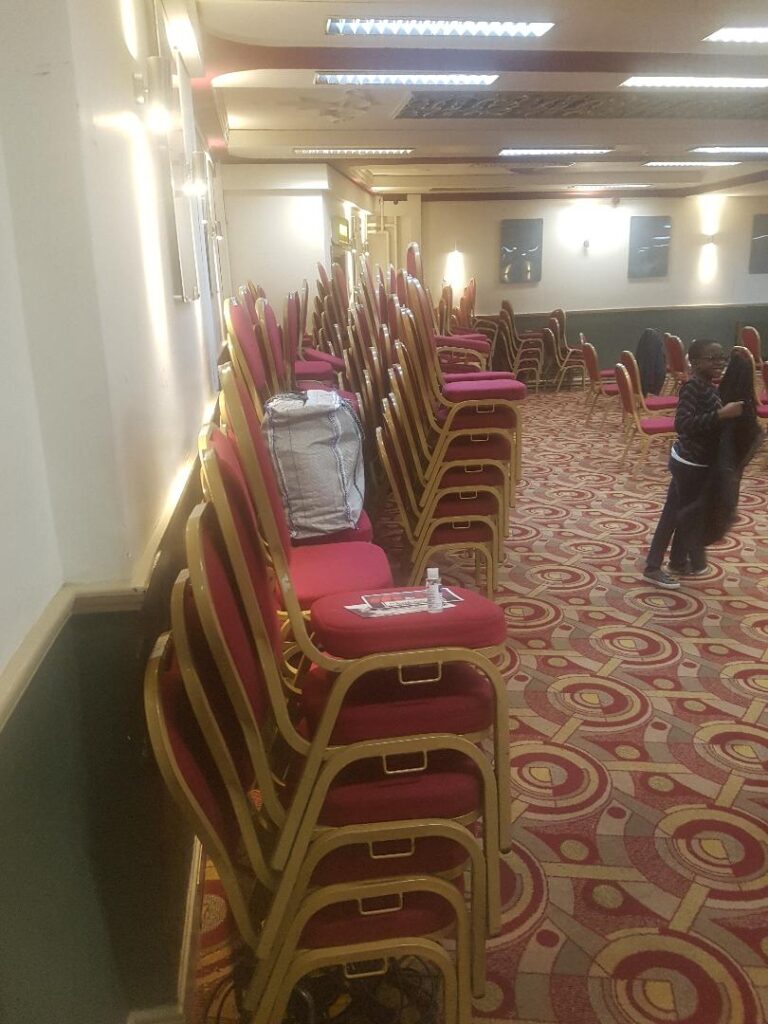
Favour Godfrey, 26, youth leader of House of praise church in Camberwell, said: “Our church is a 2,000-capacity auditorium but as you can see these are empty chairs, we are not even up to 500 on a Mothering Sunday which ought not to be.
“However, I truly believe our community will be totally restored especially now that Boris Johnson has abolished the Covid restrictions.”
Worship houses may recoup their decreasing membership and the economy is expected to rebound following Boris Johnson’s lifting of the final coronavirus restrictions in England, including the requirement for Covid-19 sufferers to self-isolate.
Leave a Reply