
by Seham AL Amshan
We know that most people are affected by the living crunch, but did you know that the crisis has affected students even more? Some students are struggling to make ends meet, and are working multiple jobs at once, paying the bills, food and essentially having to look after their living expenses.
Regine Pike, 27, undergraduate, full-time student at City and Islington college, said: “Yes it has affected me in a way, not only to buy necessities but also books to study for my course.”
Pike added that she has to earn money on a regular basis in order to pay all her bills. “I work part-time as a waitress to pay for food and other things.”
Half of all students are struggling
According to the Office of National Statistics, 50% of university students in the UK are currently experiencing financial difficulties, while just 32% of students did not have any financial problems as such.
“It has affected in more than one way, I work as a dance teacher, also as a chef at a restaurant, and some freelance jobs, and alongside that I try to manage my studying time, assignments etc,” said said Minh Nguyen, 22, a student at the University of Arts, London.
“Mainly for the purpose of paying for my living expenses as I live in accommodation,” added Nguyen, 22.
It also seems unfair that some students have alternative sources of income – usually the Bank of Mum and Dad.
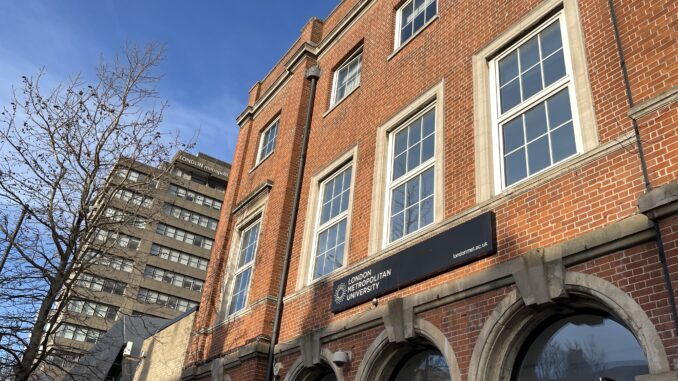
Denisa Hedrilinova, 24, studies full-time at London Metropolitan University. “I am lucky to have my family for financial support but as a full-time student as we don’t get any benefits or any support from the council like housing etc,” she said.
Wealthier students get better degrees
According to the UK Parliament, university leaders have warned that students are starting to become the “forgotten group” in the midst of cost of living crisis.
Some university officials have also complained that students with wealthier families can devote more time to their studies than those who have to work, meaning that they might get better degrees.
In addition, less well off students are forced to take out larger maintenance loans, in addition to their tuition loans. That means that when they graduate they will be significantly more in debt than their wealthier counterparts.
Leave a Reply