

by Tonje Brennsaeter
People are getting more and more interested in buying environmentally friendly products. Buying clothes, accessories and shoes at charity shops is very popular. Purchasing products that are environmentally friendly is something many people want to do.
Sadly, at this stage in our evolution, environmentally friendly products often cost a lot more than ones that can cause harm to the environment. That means it’s not always a viable choice for many people, especially those on a budget.
Influenced since she was a kid
Some people have been influenced by their parents to choose more environmentally friendly alternatives.
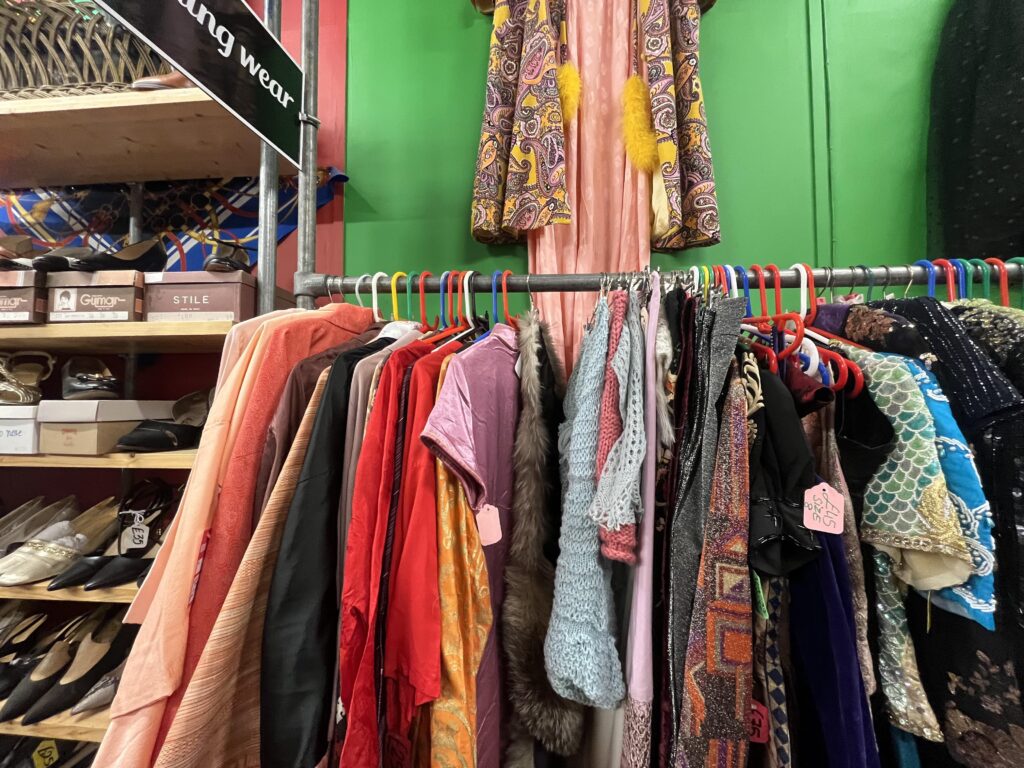
Marnie Causon, 23, graphic designer said; “All of my stuff is secondhand. I think my parents have been pretty left wing environmentalists since I was a kid, always saving water and saving energy.
“Buying secondhand clothes from charity shops and using skins on food, buying shampoo bars and stuff like that. Super eco-friendly parents so I’m lucky.”
Prices prevent purchases
The most common items people buy secondhand are clothes, while “books, movies, music and games (excluding downloads)” come in next, according to Statista. It says that the least likely items people will purchase not new are pet products, perhaps because we don’t trust where they came from.
What’s difficult about many environmentally friendly products – used clothes notwithstanding – is that they are often quite pricey. This makes it challenging for some people who want to purchase more. Not everyone has the money to pay extra for the products they need to be environmentally friendly.
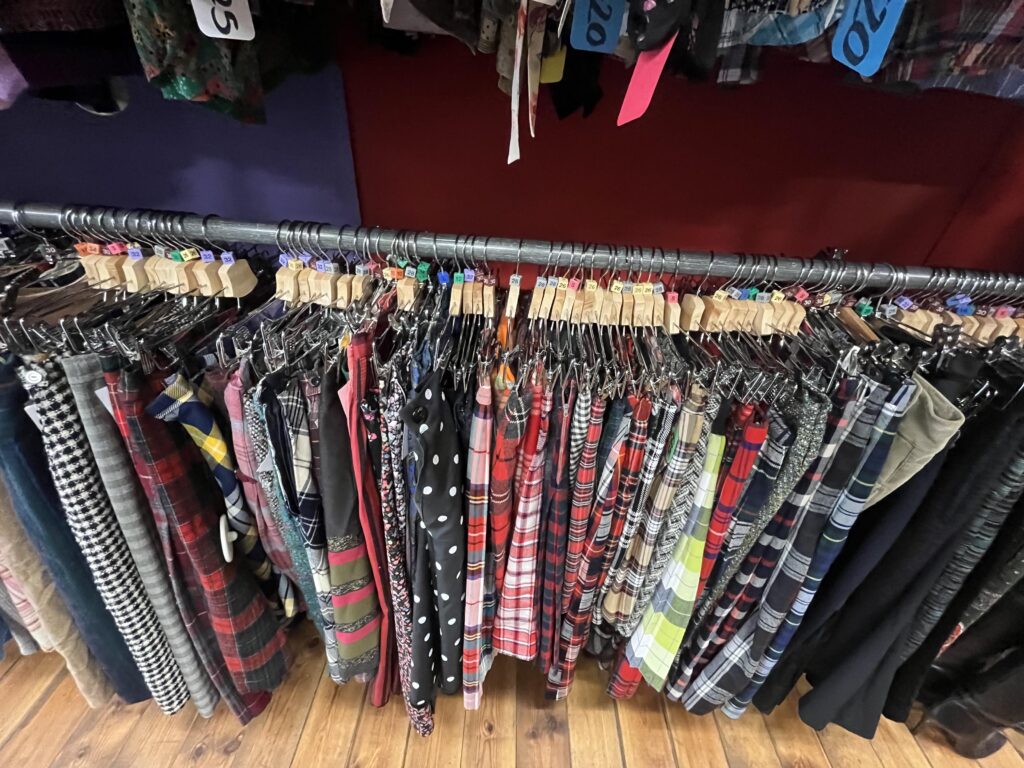
Martens Krauze, in her 40-50s, job-coach said; “Yes I do buy some but they are often very expensive so I often don’t buy them.”
Ecoswap says that sustainable products can be up to 80 percent more friendly than non-sustainable ones.
“For example, sustainable household cleaning products may only be a few cents more expensive than conventional cleaning products, while sustainable fashion items such as organic cotton t-shirts or sustainably sourced wooden furniture can be significantly more expensive than their non-sustainable counterparts,” it says.
It adds that “health and beauty are all significantly more expensive. A major reason why consumers are finding it hard to make the switch from the products being churned out by fast fashion and beauty industry. Also a hard pill to swallow with recent energy price increases and the ongoing cost of living crises.”
Leave a Reply