

By Evie Smith-Adams
Eczema is a common physical skin condition, defined by the British Skin Foundation as when the skin becomes inflamed, red itchy and dry. This can often result in the skin becoming weeping, blistered, crusted, scaling and thickened.
Data from The National Institute for Health and Care Excellence shows that eczema is more common in childhood (affecting 1 in 5 children in the UK) and affects 1 in 12 adults in the UK.
London Metropolitan University spoke to Amara Howe as part of their Newsweek, the theme being Covid-19 and mental health. Amara Howe was a member of the panel and spoke about her experiences with mental health, which were greatly affected by her battle with eczema.
Howe has struggled with eczema since she was 18, and she said it had a huge impact on her mental health and wellbeing.
“It was more mental than physical and all I could think about was my skin. I used to shower in the dark,” she said, explaining how she found it to be “very debilitating”.

The importance of speaking openly
Howe is very open about her eczema, which contributed to her suffering from depression. A BA Fashion Marketing and Journalism graduate from London Met, she has had many articles published where she speaks about her struggles.
One thing she has found that helped is being involved in eczema support groups. She explained that she belongs to a few on Facebook and that talking and connecting with people with similar experiences to her makes her feel less alone and isolated with her struggles.
Previous research by Dr Sal Raichbach highlighted the affect that this condition can have on your mental health. He found that the “discomfort and appearance of skin conditions often leads to self-esteem issues, a lack of confidence and emotional distress”.
An article from the British Association of Dermatologists demonstrated how the Hospital Anxiety and Depression scale (HADS), showed that ‘40 percent of adults with eczema reported having been medically diagnosed with anxiety or depression in the past year, compared to 17 percent without eczema’.
Satisfying that itch
Alisha Samuel, aged 20 and a student at London Metropolitan, says she has had eczema ever since she was a child.
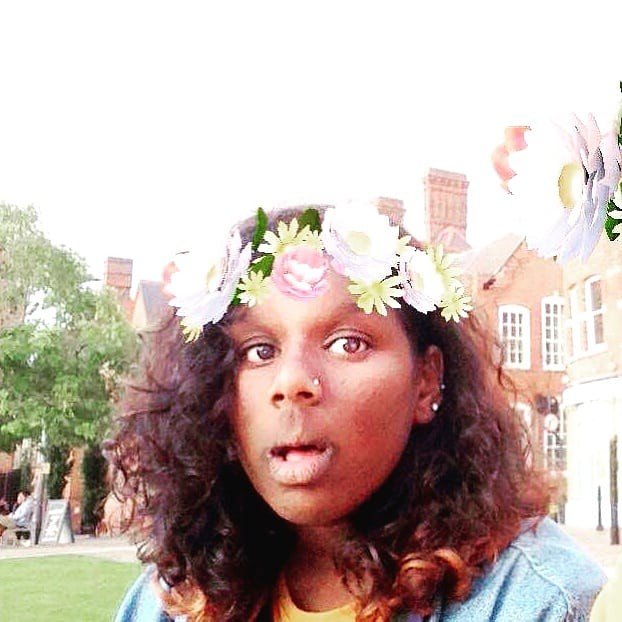
“I was always in and out of hospital, from taking medication both in pills and strong steroid creams, being wrapped in bandages and even putting socks on my hands to stop myself from itching.
“It was more than just an itch; it was something that stayed on your mind till the itch was satisfied.”
Alisha explained that she kept tried to keep her struggles with eczema hidden, both the physical and mental struggles.
“Yes, it affects my day-to-day life, just because I don’t speak about my eczema openly, it doesn’t mean that it isn’t there.
“My mental health and my skin condition are completely synced together. Meaning, if my mental health is not up to scratch it could flare up my eczema. When my eczema flares up because of other reasons my mental health won’t be doing too good. It’s a constant cycle and a battle that does not seem to be ending anytime soon.”
Alisha explained that she felt support was never offered because there’s no one that truly understands, unless they are struggling with the same issue. “It’s hard to talk to people about it when they truly don’t feel the same feeling.”
For more information contact the National Eczema Society.
Leave a Reply