

Philip Smith, mindfulness teacher for The Stress Project, talks to the Holloway Express about the reality of anxiety and depression and the way everyone “can step back to their lives”

A vortex pushes you deeper and deeper and it seems that there’s no escape from that dark void. It’s like a strong chain wrapping around your body and stopping you from doing ordinary things.
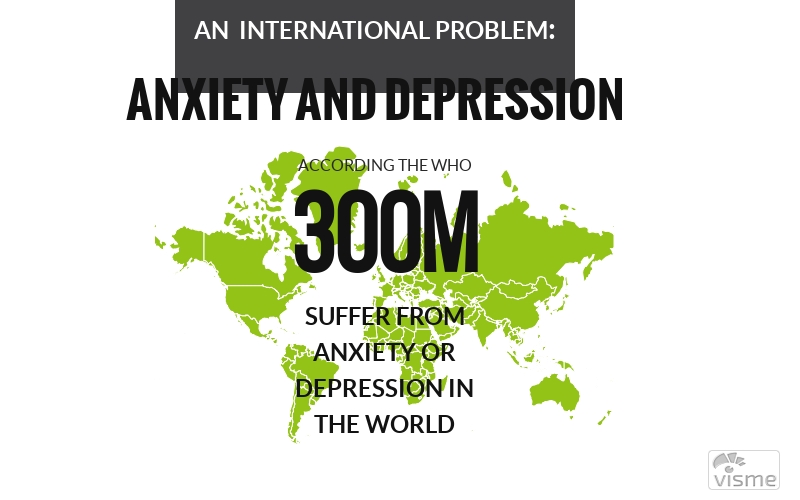
These are feelings common to 300 million people living in the world today, according to the World Health Organization, and common to 28,900 residents of Islington.
It’s not happiness, sadness or anger but something that you can feel, like the humid weather of London that is all but invisible to your eyes.
“Just live in the moment” is probably what the people around you have told you one hundred times. That moment though, seems, like it will never come.
“Everybody’s story is unique, but there are a lot of common factors that come forward,” says Philip Smith, 63, mindfulness teacher and therapist at The Stress Project, run by the Holloway Neighbourhood Group. It has been active since 1995 and provides accessible therapies like mindfulness, body psychotherapy and counselling.
It’s difficult to differentiate anxiety from depression, and Smith says that often we underestimate their effect on us. Both conditions can have similar symptoms, such as nervousness, a lack of concentration and problems sleeping.
But what’s the real difference? It’s vital to understand which condition you have to get the right treatment.
Depression has various forms, but the prevalent feature is a state of sadness, a lack of hope for the future, and pessimism that can lead to suicidal thoughts. Anxiety manifests itself in a constant apprehension about the future.
Like any other mental health problem, which affects one in four people in the UK, anxiety and depression represent the most common ones. One in six people suffer from anxiety, depression or stress-related problems but only one in eight seek help or are treated by a specialist.
The impact mental health has on our society has changed radically and it has increased since 1990s with a peak of 9.3% in 2014, according to the BBC.
Mental health and more specifically anxiety and depression are common disorders that depend on “how people react in the longer term”. In fact, they have “a connection to the way they orientate themselves psychologically”, says Smith.
Mindfulness is a gradual solution to cope with this, to help you focus on your life and take away factors that are stopping you from doing your best. It’s a form of meditation that helps practitioners to make “a choice to be in the present moment without judgement”.

The therapy is recommended by the National Institute for Health and Care Excellence (NICE) and when practiced continuously can be found to also prevent depression.
Smith is a calm, peaceful man whose passion in helping people was born while he was working as a manager in local Government. Observing his staff, their behaviours and the way they were dealing with their job responsibilities led him to one conclusion: his colleagues had stress-related problems and he wanted to help them.
He teaches his patients a way to concentrate on the present without putting themselves through an extensive process of overthinking.
“People with anxiety and depression tend to spend a lot of time going over and over things in the past. T hat is called rumination and is peculiar of these conditions. The distinction between people with anxiety and people with depression can be put in this way: anxiety tend to keep things in the future, whilst people with depression tend to keep things in the past,” Smith says.
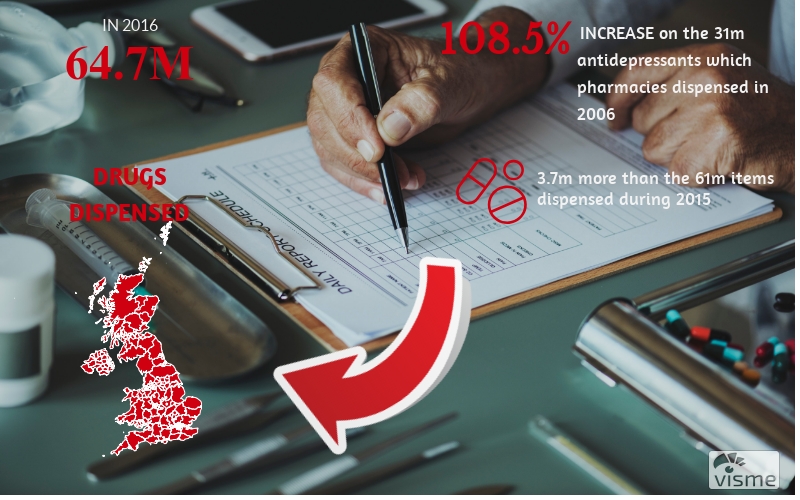
An increase in the use of prescription drugs to tackle the problem is actually exacerbating it, experts say, especially as so many prescription drugs are addictive. The NHS is currently investigating the pros and cons of antidepressants and anti-anxiety medications.
“If people just take pills it may give some relief but people don’t learn the skill sets. Statistically, if people take only pills at the third depression episode, the probability of relapse goes to 87%,” says Smith.
People with anxiety often worry about the future but only a “small percentage of that will happen in reality”, he says. If we look at the skill sets of people who don’t tend to suffer from depression, we can understand better how to deal better with our problems.
Mindfulness sessions combine mindfulness with cognitive behaviour: It helps to step back and take a little reality test.
Thanks to mindfulness people can learn to observe their own thinking patterns and “instead of reacting to something they can introduce a little pause and take a step back and respond”, Smith says. “In the response there’s an element of choice and empowerment.”
Individuals suffering from stress-related problems tend to over-use the right side of the frontal cortex, which controls emotions, the ability to organize, behaviours and personality. “With mindfulness we tend to disengage this side and open the left hemisphere.”
During mindfulness teaching there are activities, meditations and exercises.“For some things I deliberately try not to explain because if they start to discover things from themselves it’s much more powerful learning,” says Smith. The goal of the therapy is to shift the lack of control inside the person.
“I just find depression and anxiety something that doesn’t belong to the past, I think it’s a sort of construction rather than a real thing,” says Mike Brookfield, 59, fashion designer from New Zealand.
Here residents of Holloway Road talk about anxiety and depression:
The eight-week mindfulness course is available on Wednesday: 10.00am – 12pm (£20)
Drop-in classes are available on Thursday 4pm-5pm (for free).
The Stress Project Therapy Centre: 2 Shelburne Road London N7 6DL
Tel: 020 7700 3938
Contact info: http://www.stressproject.org.uk/contact.html
Leave a Reply