

By Gabriela Yorgova and David Pasia
Despite being a cosmopolitan city, London is still leagues away from cleaning up its act for the betterment of its inhabitants. From social housing to reducing air pollution, there are myriad issues which need to be addressed on a local and national level.
At London Metropolitan University a group of panelists, hailing from organisations such as Just Stop Oil, Extinction Rebellion and Clean Air Fund to name a few, spoke to students for their Dirty London Journalism Newsweek.
As it stands, the health and well-being of everyone on the planet is at risk due to the ongoing climate crisis. The rapidly rising global temperatures will have devastating effects on ecosystems and will snowball to apocalyptic proportions.
On a more local level, Londoners are at risk from harmful particulates in the air. For those living in social housing, the ever-growing presence of mould and damp poses the possibility of developing respiratory health problems, and can even lead to dementia.
Sean Maguire, Director of Strategic Partnerships and Communications at the Clean Air Fund, says ULEZ is the largest initiative in the world aimed at improving air quality. The Fund aims to improve our air quality for a better future by raising awareness of the issue and demanding action from the public.

Our environment includes not only our lives outdoors but also in our homes. Social media is a form of expression, and social activist Kwajo Tweneboa has used it as a platform to voice the unheard qualms of people living in slum conditions. Working against the inaction of the local authorities, he drives the change for the private landlord-renter relationships as well as social housing matters.
He says, “Over the last year we’ve been pushing to clean up the air, but millions of Londoners live with damp and mould. Let’s clean up indoor air too and make it a priority to talk about people’s health.”
Speaking out does not come naturally for everyone but citizens are becoming more interested in environmental matters and are acting towards the change. Some of the panellists spoke about their experience in protesting and the consequences of voicing their opinions. It is not encouraged to participate in violent acts.
However, Marijn Van De Geer, who works with Extinction Rebellion, told students that she supports non-violent demonstrations: “I think it’s our absolute duty to protest… Let your voice be heard. It’s absolutely vital. It’s our democratic right.”
Dr Patrick Hart, a member of Just Stop Oil, commends young people for taking on the torch for social and environmental justice. He knows the younger generation will be the most affected by the global climate crisis.
He says, “The mess we’re in is not your fault.”
While national efforts would go a long way, there are also initiatives taking place on a more hyper-local scope.
“At a local level, there are opportunities to be involved,” says Councillor for Barnet Giulia Innocenti.
Local authorities in London are working independently to improve the way of living in their councils. Children are one of the most affected groups, who suffer from the climate anxiety. She acknowledges not only the impact on physical health but also the mental effects.
Caroline ‘Caz’ Royds, who works with the Islington Environmental Alliance, is passionate about the mobilisation of local residents tackling issues like recycling and waste disposal.
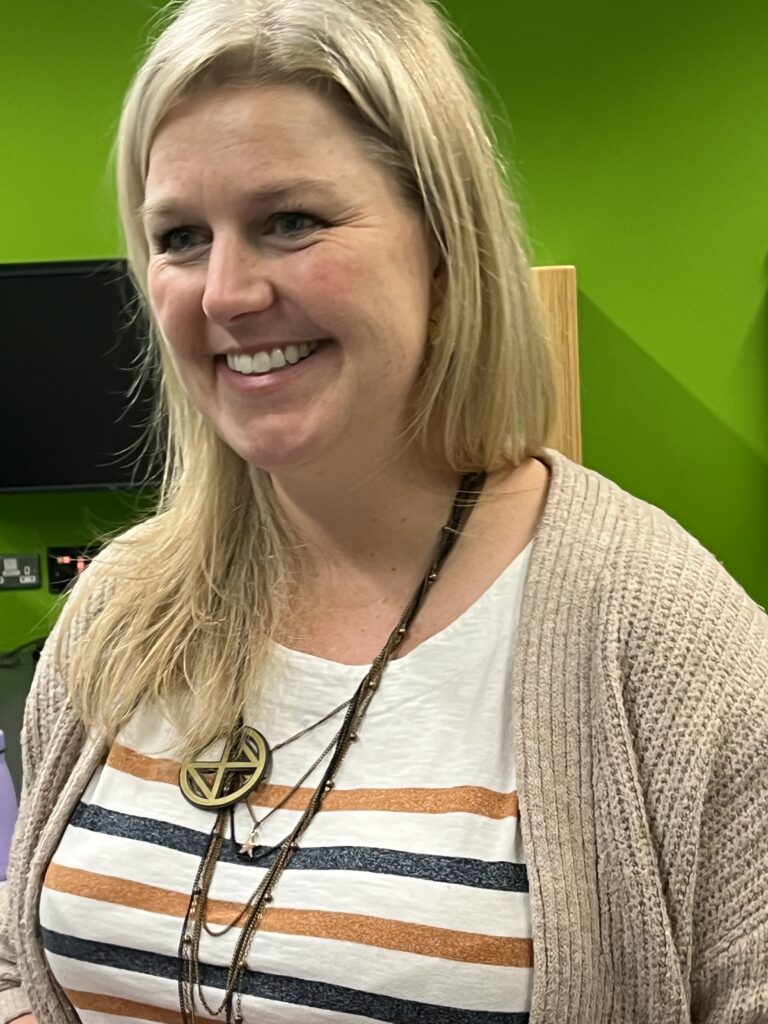
Royds emphasised the importance of sorting waste properly as an incinerator located in Edmonton is where the waste of seen boroughs go to be burned. This means any plastic included in this waste will release toxic particulates into the air when it is burned.
She says, “All the stuff about wasting and recycling is about making a change… It’s time to see materials as precious.”
The media coverage plays a huge role in spreading awareness of local and global issues regarding the environment. However, the issue of climate change is a vast and ongoing topic that needs consistent and regular coverage. Innocenti criticises the media attention span for the lack of information and exposure.
Misinformation and lack of factual statements in print and online media sources changed our habits of looking for new ways to get information. “If I want scientific information, I will probably not get it from print media,” said Dr Patrick Hart.
The panel concluded with statements from the guests about what they are feeling optimistic about, including the opportunity to turn things around at the upcoming General Election.
Leave a Reply