
By John Chisengalumbwe

One of London’s oldest women’s prisons is set to disappear as the demand for social housing and privately rented homes in the capital continues to rise. John Chinode Chisengalumbwe brings this special report on the closure of Holloway Prison in Islington
Only thirty minutes away from London is one of the main shopping streets in North London which carries the A1 road as it passes through Holloway Road in the London Borough of Islington.
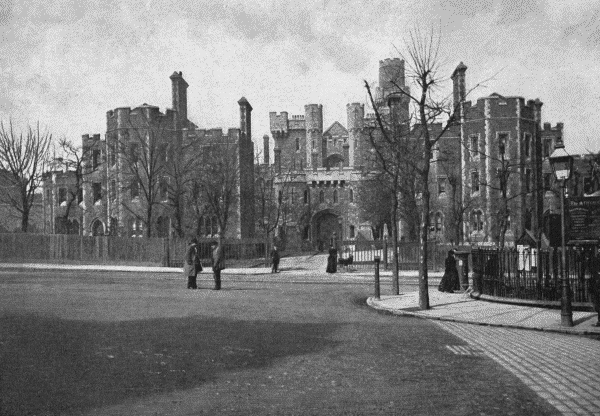
And right at the centre heart of Holloway Road is the H.M.P The Old Holloway Prison for Women.
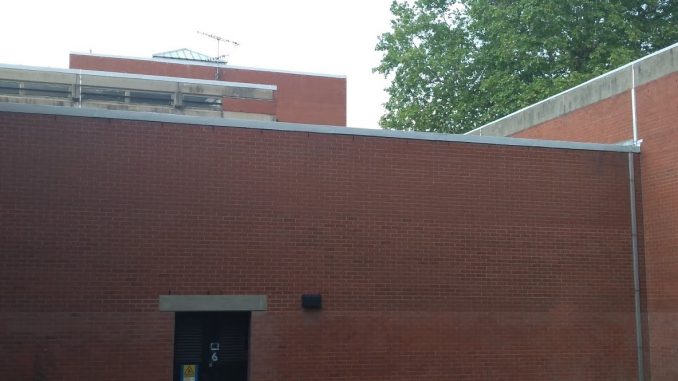
The prison today is covered with a security wired fence with signs saying “Dogs on patrol 24 hours”. The building still has its red brick and its tall secured wall fence.
At one time, Holloway had the capacity to house around 590 women, the majority serving short sentences. This was reflected in the fact that 55% of sentenced females served less than three months.
Will the closure of the women’s prison will have a significant negative impact on women affected by the criminal justice system?
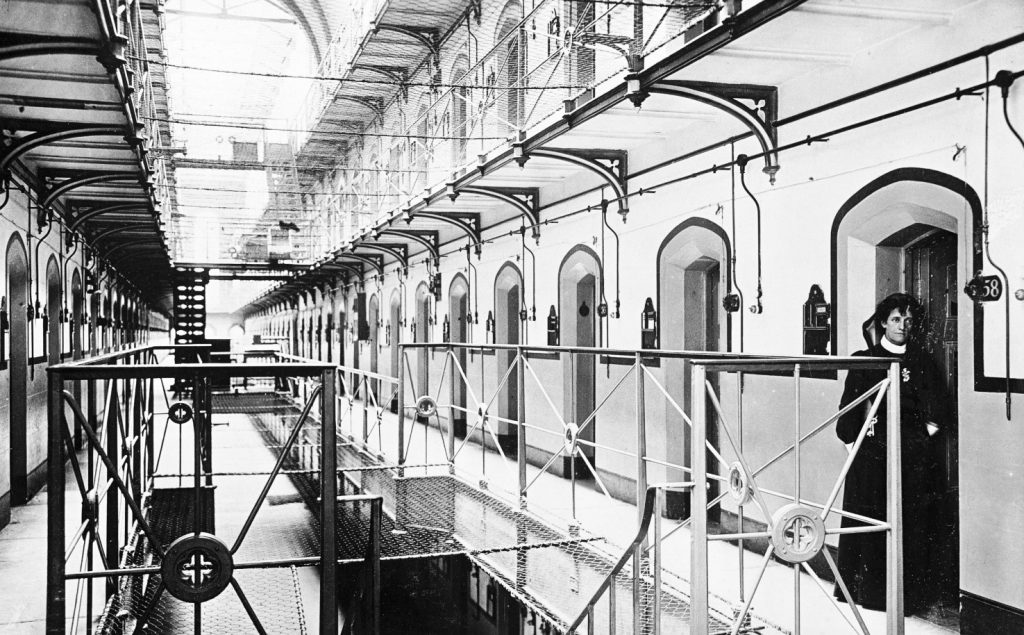
The building looks like just brick and mortar from the outside but as you enter the prison gates you don’t feel like sticking around. Walking through the doors of the high maximum security prison, you are hit by a smell of Grandad’s house in the 1970s.
Every door is a security door, and the staff never smile back if you smile at them, says Lucky Zimba, a resident living at Fairview Estate which is right next to the Old Holloway Prison.
Zimba had plenty to say about the demolition of the prison.
“The place is like a horror film it makes me depressed every time I walk past the prison two old friends served jail time there and when we went to visit them with other friends the feeling was very sad and negative,” she says.
“There were too many security doors, you just sense a bad spirit when you inside the prison, and me and my neighbours feel happy that new built flats we will be built.
“Just imagine, I have been living next to a prison for 17 years.”
Sadiq Khan has announced a deal to secure 600 social rented affordable homes on the former Holloway Prison site after its sale from the Justice Ministry, to Peabody housing Association in partnership with a private developer, according to the London Mayor’s office.
Affordable social housing has been a challenge for the Islington borough. That can been seen every morning when you walk into the Council’s temporary accommodation offices on Upper Street.
When you become a social worker you tend to understand the real social hardships people face who are less privileged.
“The local council to me have got it wrong and twisted what this part of London need is social affordable homes the houses that will be built at the old prison will be for middle class people although there are saying some homes will be affordable,” says social worker Thelma Davies.
“I have worked in the borough for 14 years and I can tell that you that when it comes to social housing this borough is in crisis.
“Why did they decide to close the prison in the first place? Does it mean women are now committing less crime or does it now mean we don’t need women’s prisons? All it is is money first over the disadvantaged.”
Some of London’s poorest boroughs – Southwark, Tower Hamlets and Hackney – are all facing land shortages and are rubbing up against council planning departments, which are eager for growth because of limited funding.
Change is inevitable in the world we live in but should all historic buildings be subject to demolition over profits? How much will it cost to build another women’s prison if in the future we face a rise in female offenders?
The Old Holloway Prison was opened in 1852 as a mixed race prison but due to a rise in demand for female prisoners, in particular after the closure of Newgate prison, it became a female-only prison in 1903.
And the prison went through some redevelopment in 1971 and 1985 on the same site and it has housed the likes of Myra Hindley and Rose West.
According to a BBC report, £81.5m homes are to be built after Peabody Housing bought the 10-acre of the former female’s jail which was once the biggest female prison in Europe.
In his book, The Long Walk to Freedom, Nelson Mandela said: “A country is judged by how well it looks after its prisoners.”
“There is nothing wrong with closing down a prison but there is something wrong if you don’t consult and engage your community in decisions like this,” said Mavuto Sakala, a campaigner and member of the Tenants and Residents Associations of Islington.
“We in the community need jobs not homes we would have loved to see the place turn into a business or shopping mall that employs people, I can bet you those homes will not come cheap especially for local residents,” he said, dressed in a blue jumper, black jeans and what looked like new trainers, and puffing a cigarette on a very sunny day.
When the Government announced that Holloway Prison will be closed it was welcomed by a certain section of people, politicians and organisations but the Prisoners’ Governors’ Association said it had “major concerns”.
The women from Holloway Prison who were serving time there during its closure in 2015 have now been moved to Down View prison in Surrey.
The judge and jury is the public that will come up with the final verdict if closing the prison was the right thing to do.
This is good idea for a story – where did you get the idea for it.