

By Beatrice Morandi
On Wednesday, March 26th, 2025, a panel discussion took place focused on the role of AI in the fashion industry. The event featured Matthew Blakemore, CEO of AI Caramba!; Daniel Felstead, Course Leader of MA Fashion Media & Communication at London College of Fashion; Giovanni Bordone, Fashion Business Lecturer at London Met, and Muhammad Naser, Business Consultant and London Met Associate Professor.
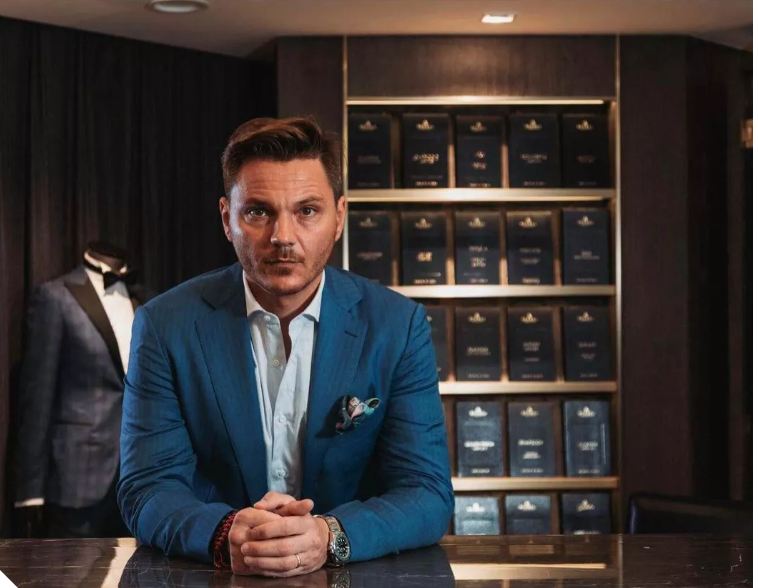
17:10: The conference begins with Wendy Sloane, Course Leader of BA Journalism and BA Fashion Marketing and Journalism, introducing the theme: Hope or Hype? How AI is Transforming the Fashion Industry. After a brief welcome and introduction, she handed the floor over to Journalism Lecturer Sasha Raspopina, who was chairing the event.
17:15: Sasha welcomes the panelists and invites them to introduce themselves. Giovanni shares his passion for fashion and mentioned he was publishing his first book, as well as running a blog on creativity. Daniel speaks about his work as a content producer and filmmaker, focusing on the ideological impact of technology. Abu, an economist at LMU, talks about his expertise in AI ethics, entrepreneurship, and idea-sharing. Matthew, an AI expert with over a decade of experience, discusses his role as a government advisor, emphasizing the growing opportunities in AI despite past challenges such as high costs and limited investment.

17:25: The conversation turns to government regulations and AI. Matthew initiates the discussion, pointing out the complex balance of government regulation in the AI sector, particularly around security. He notes that the UK is still formulating its approach but highlights the significant opportunities AI presents. Abu mentions how governments are seeking advice to improve regulations, especially regarding data gathering. Daniel stresses that while governments should support companies using AI, it’s crucial to regulate the systems and models effectively. Giovanni shares his belief that AI should be a tool to assist humans, not replace them, and observes that governments were catching up to Silicon Valley, creating a paradox in the process.
By 17:31, the panel began discussing how AI could democratize the fashion industry for both workers and consumers. Matthew explained that AI is moving towards unrestricted growth, but challenges remain due to rising costs and slow adoption. Abu pointed out that consumers would demand higher-quality, more efficient products, but this might lead to job losses across industries like fashion. Daniel discussed how AI could democratize creativity, allowing individuals to create more affordably, but he also raised concerns about its misuse in fashion marketing and speculative material.

17:41: The panel focuses on AI’s impact on fashion brands. Daniel was asked if he had seen AI enhance creativity in fashion media or if it led to a more homogenized aesthetic. He mentioned that fashion brands care deeply about culture and aesthetics, giving the example of Balenciaga using AI to generate a series of short cube images. The panel debates whether AI could be used creatively without causing problems. Giovanni stresses the importance of human creativity, asserting that AI could enhance but not replace it.
17:52: Conversation shifts to AI’s influence on financial decision-making in the fashion industry. Abu explains how AI optimizes product shipping, improves quality control, and streamlines operations, making it an essential tool in both the fashion and finance sectors.
17:59. Focus turns to AI-driven sustainability. Matthew, whose previous work revolved around sustainability in AI, discusses how AI could help reduce waste in fast fashion. He acknowledges the challenges of reducing production waste given consumer demand and online orders but expresses hope that consumers might begin to make more responsible purchasing decisions. Giovanni speaks about how new materials developed with AI could address issues related to energy consumption and pollution. Abu adds that while AI plays a role in sustainability, over-reliance on it could be risky, and government involvement is necessary to tackle challenges like pollution.
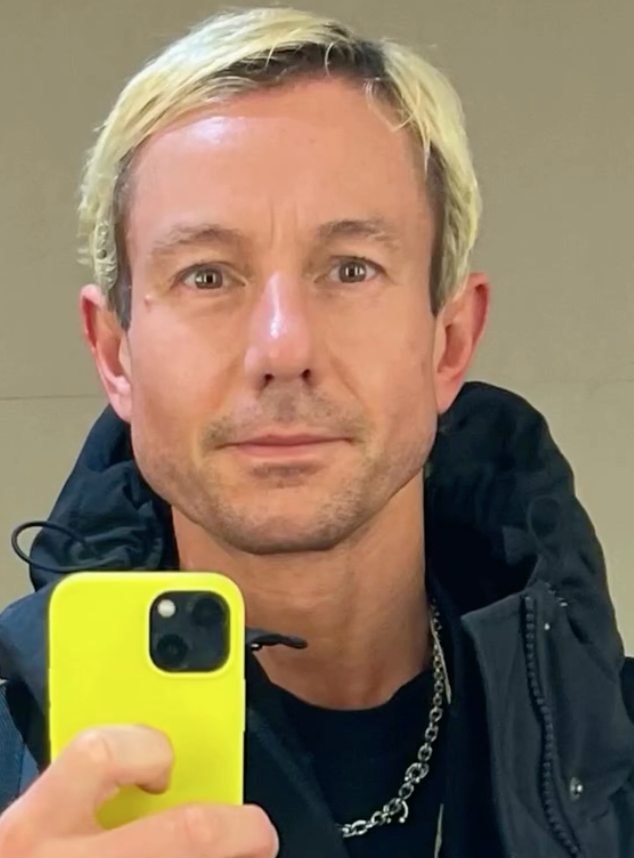
18:05: The panel discusses the risk of losing artisanal products due to AI. Giovanni mentions fully automated production systems like Temu, and the panel debates how consumer preferences for high-quality, handcrafted products might remain strong despite the rise of fast-fashion brands like Shein.
18:10: Conversation turns to whether AI-generated fashion could be considered an art form or a commercial tool. Matthew discusses the energy consumption of AI and how industries manage the trade-offs between the benefits and costs of AI adoption. Daniel notes the political aspects of AI’s widespread use, emphasizing that while there’s no need to feel guilty about using it, collective action is necessary to address its societal impacts.
18:20: The panel concludes their discussion, and the audience is treated to a stunning catwalk show. London Met students showcase outfits created using ChatGPT, blending AI and fashion in an innovative way. The fusion of technology and creativity on the runway was a captivating display of what the future of fashion could look like.
Some of the prompts students put into ChatGPT to pick their outfits included:
- Give me a regal, sophisticated look I can wear to the office
- I want a casual outfit to wear to university
- Make me an outfit to wear on a catwalk themed around AI
- Make me something from my signature statement pieces that exudes casual elegance
- I’d like an outfit inspired by Devil Wears Prada
- Can you produce some ideas for a cute black outfit?
18:30: Event ends. Here is a Tiktok of our fabulous catwalk!
Leave a Reply