
By Sahra Sancar
It’s no secret that London is an expensive city to live in, recently it ranked the 18th most expensive city to live in the world, and with a living wage estimated to be £11.05 compared to £9.90 for the rest of England, this is no surprise.
With things like rent, bills, transport, and food all taking a cut from your monthly salary it can be hard to stay afloat, especially in today’s economy when there is a lack of affordable housing in the capital.
A 2019 State of Equalities report, found that “Islington is home to some of the most expensive property and wealthiest people in the UK, and yet a great many residents are struggling to survive on low incomes.”
(Un)affordable housing
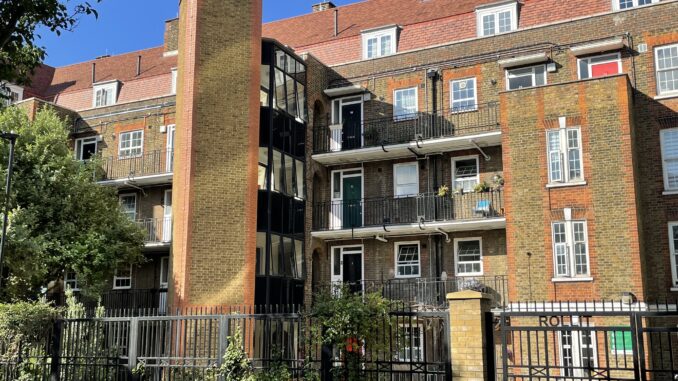
Estefania Ramirez a local resident born and raised in Islington, says that the affordable accommodation in the area is bad. “I have a council flat, and I would say it’s affordable because compared to private renting I wouldn’t have been able to afford it,” said Ramirez, who works part-time for a charity that supports women who suffer from domestic violence.
She explains that just because housing is affordable it doesn’t necessarily make it liveable. “Where it’s okay in price and being able to afford it, it lacks in living conditions. The houses are riddled with mould, bad windows, and heat loss. The area is full of crime and isn’t safe or clean. This isn’t somewhere where you’d want to raise your children.”
Due to Islington being a conservation area, meaning its architectural features are protected from change, she cannot change her windows to double glazing, which affects the temperature of her flat. In the colder months, it is never warm enough.
“It’s the most stupid thing ever, we’re not allowed to change our windows to double glazing windows because it would change the way they look. My windows are old and breaking apart because they’re damp and full of mould. You put your heating on but [the heat] just goes out. The law needs to be changed.”
Although she is a current student at London Metropolitan University, Tiffany Njukang explains that housing in the local area wasn’t an option for her as north London is simply too expensive. This means she currently does a one and a half hour journey to the university, which means a three-hour daily return trip.
“As an international student I had to get accommodation, and getting accommodation around [Islington] in north London is more expensive so I had to get cheaper accommodation.”
Njukang explains that the recent inflation costs are also having detrimental effects on people in the city. “Inflation is really affecting a lot of things, everything right now is a high price, especially basic necessitates such as food have increased and it’s really affecting the economy, especially for those who don’t have permanent jobs. The government need to make changes so people can live a comfortable life.”
Abdia Abyan, an IT help desk consultant, rents a flat by himself in the area and says that affordable housing isn’t something which really exists or is very scarce.
“Islington is quite an expensive area to live in, generally the whole of London is, just a normal flat would set you back quite a lot of money. I don’t think there is enough affordable housing, no.”


Rising energy costs
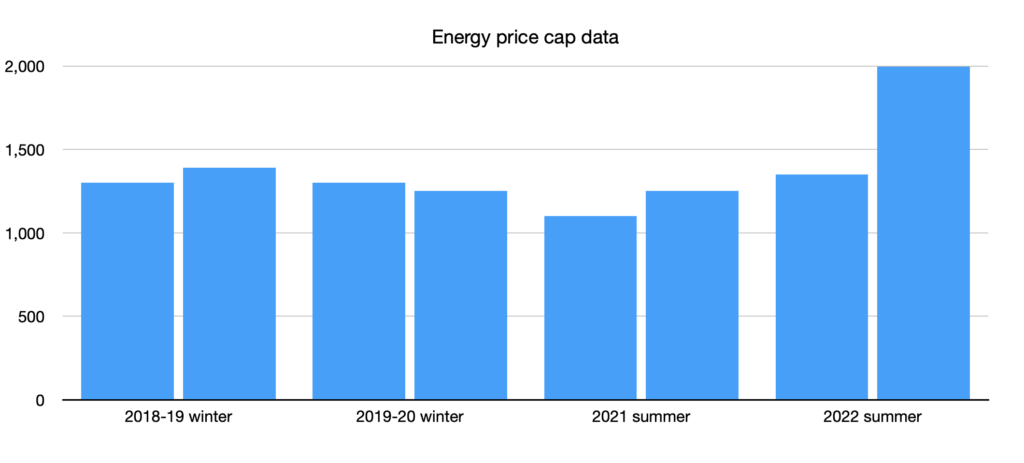
Rising energy costs are also a worry for those in the area, following the recent announcement of the 54% increase in energy price caps by energy regulator Ofgem, who say this is to reflect rising costs for energy suppliers. This would mean that the average person is set to pay around £700 more per year for gas and electricity.
Abyan believes he will suffer financially as a result of rising energy prices. “It will affect me. When it comes to living in a flat, heating and electricity are very expensive even for me as someone who lives alone. I’m always topping up my credit and it takes a big portion of my salary and the income I have.”
Ramirez says that her energy bill has increased significantly, rising from £130 quarterly to £245, which is an increase of more than £100. Whereas Rachel Bryant, a nutritionist at Spoon Guru, explains her bill has currently increased by £10 per month – however, she explains, “it still adds up”. Luckily for her, she can get a rebate for the council tax she pays.
Amid rising living costs Racheal Maclean, a Tory minister, suggested that those struggling should ‘take on more hours’ at work or get a ‘better-paid job’. In response to her comments, Bryant responded: “That’s ridiculous, I hate that whole rhetoric. Everyone works hard but some just have more opportunities than others.
“It will hit the people who can’t afford to absorb that extra cost the hardest, people who live week to week, month to month will be affected the most. I think the government are so disconnected from how people actually live. People with lots of money find it easy to save because they’ve got the money to do that.”
What is the Government’s council tax rebate?
Following the rise in global energy prices leading to unaffordable energy prices, the government created a rebate to help with the cost of energy bills.
The new council tax rebate “will provide a payment of £150 to households living in council tax bands A – D. Payments will be made from April 2022 and will not need to be paid back.” Anyone living in council tax bands A-D can apply for the rebate.
Solutions to the lack of affordable housing?
In response to the lack of affordable housing in Islington and the whole of London, Bryant explains that landlords are the ones to blame.
“I think people with 2nd, 3rd, and 4th homes which they have solely to let, should be taxed more because that might discourage people from ‘just’ becoming landlords because they can afford to be and ripping people off. Maybe it would be good for councils to put caps on rent or something like that.”
Njukang believes that governments need to be the ones providing the housing options, not the landlords.
“I think one of the things the government could do is get more housing accommodation for people because if it’s government-owned it will be cheaper than if you have to rent from a private owner. So if the government would build new infrastructures it would be cheaper for everyone.”
Leave a Reply