
Image by Unsplash
By Madalena Fonseca
Police are investigating an incident in which a Just Stop Oil protester was reportedly injured by a car during a slow march protest on Holloway Road, Islington, at around 10:00 am on the 2nd of May. The protester’s foot was allegedly run over by a grey Renault Megane.
Video showing the incident, from The Telegraph
The incident was brought to the attention of the authorities after footage circulated on social media showing the collision. The Just Stop Oil group has been conducting slow marches across central London, aiming to “demand an end to new UK oil and gas projects”.
The group’s demonstrations have caused significant disruption, frustrating drivers and public transport users. The ongoing campaign has seen roads obstructed as protesters slowly march through key areas of the capital.
Just Stop Oil’s campaign involves obstructing roads with slow marches to draw attention to their environmental demands. The protests have been causing widespread delays and frustration among commuters and motorists in London. The group’s primary demand is the cessation of new oil and gas projects in the UK.
The protests have sparked a mix of support and criticism from the public. While some back the environmental cause, others have expressed frustration over the disruptions caused by the daily marches. This recent incident adds a new dimension to the ongoing tensions between the protesters and the public.
About Just Stop Oil and Their Goals
Just Stop Oil is a prominent environmental activist group based in the United Kingdom. Founded with the mission to address climate change and advocate for a sustainable future, the group has gained significant attention for its direct action protests aimed at disrupting activities linked to fossil fuel consumption.
The primary goal of Just Stop Oil is straightforward yet ambitious: to pressure the UK government to stop all new oil and gas projects. The group argues that continued investment in fossil fuels is incompatible with addressing the climate crisis and achieving the targets set by the Paris Agreement. By stopping new oil and gas exploration, Just Stop Oil believes the UK can lead the way in transitioning to renewable energy sources and mitigating the impacts of global warming.
End New Oil and Gas Projects: Just Stop Oil calls for an immediate cessation of all new oil and gas exploration and development. They argue that expanding fossil fuel infrastructure is a direct threat to the planet’s health and future.
Promote Renewable Energy: The group advocates for a rapid transition to renewable energy sources such as wind, solar, and tidal power. They believe that investing in these technologies is crucial for sustainable development and energy security.
Raise Public Awareness: Through their high-profile protests and media campaigns, Just Stop Oil aims to raise awareness about the urgent need for climate action. They seek to educate the public on the dangers of continued fossil fuel reliance and the benefits of renewable energy.
Influence Policy: By applying pressure through direct action and public campaigns, Just Stop Oil hopes to influence government policy and corporate practices. They aim to make it politically and economically unviable for new fossil fuel projects to proceed.
Their methods of Protest
Just Stop Oil is known for its bold and disruptive tactics, which include:
Slow Marches: One of their most notable forms of protest involves slow marches through major cities, particularly London. These marches are designed to create traffic disruptions, drawing attention to their cause and demonstrating the urgency of their demands.
Blockades: The group has also engaged in blockades of key infrastructure, such as oil refineries and distribution centers, to halt the flow of fossil fuels.
Occupations and Sit-Ins: Just Stop Oil members have occupied buildings and staged sit-ins at corporate offices and government buildings to highlight their demands.
Since April 24, 2024, Just Stop Oil has been conducting daily slow marches in central London. These protests have caused significant disruptions, frustrating commuters and drawing widespread media attention. The group’s persistence underscores their commitment to their cause and their willingness to endure personal risk and public backlash to push for change.
Just Stop Oil’s activities have sparked a wide range of reactions. Supporters praise their dedication to addressing the climate crisis and pushing for necessary policy changes. Critics, however, argue that their methods are too disruptive and alienate potential allies.
Despite the controversy, Just Stop Oil has succeeded in keeping the issue of fossil fuel dependence in the public eye and on the political agenda. Their protests have forced conversations about the viability of new oil and gas projects and the urgent need for a transition to renewable energy.
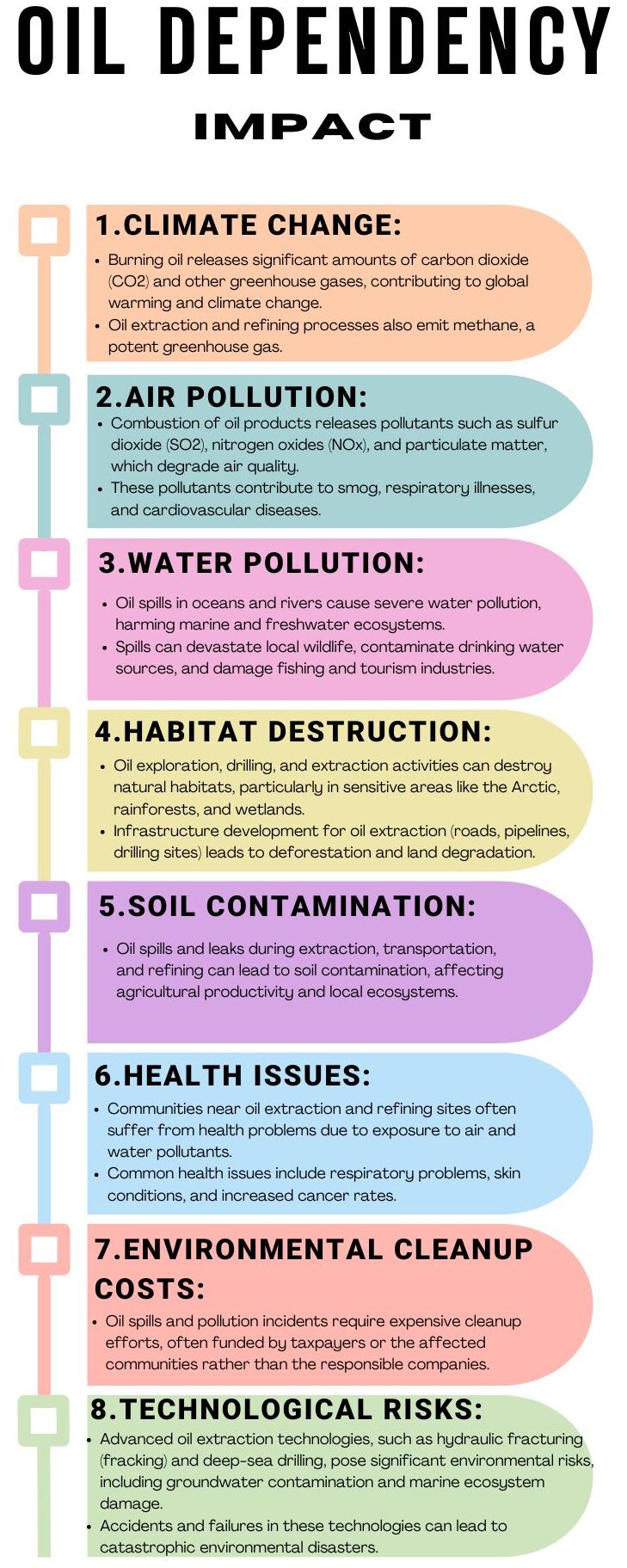
Infographic by Madalena Fonseca
Victoria, a 25-year-old Holloway resident, said : “I didn’t see anything on the day of the incident here, but I think it was an awful thing that happened to that protestor. People have the right to protest and fight for their beliefs freely, and I feel safe doing it!”.
She also said “I totally agree with the stop-oil movement, and I think the government can´t accept all these new oil projects, which we all know aren’t good for the environment.”
Just Stop Oil continues to play an important role in the environmental movement in the UK. Through their uncompromising stance and disruptive protests, they aim to accelerate the transition away from fossil fuels and towards a more sustainable future. Their actions, while contentious, highlight the critical need for urgent and decisive action on climate change.
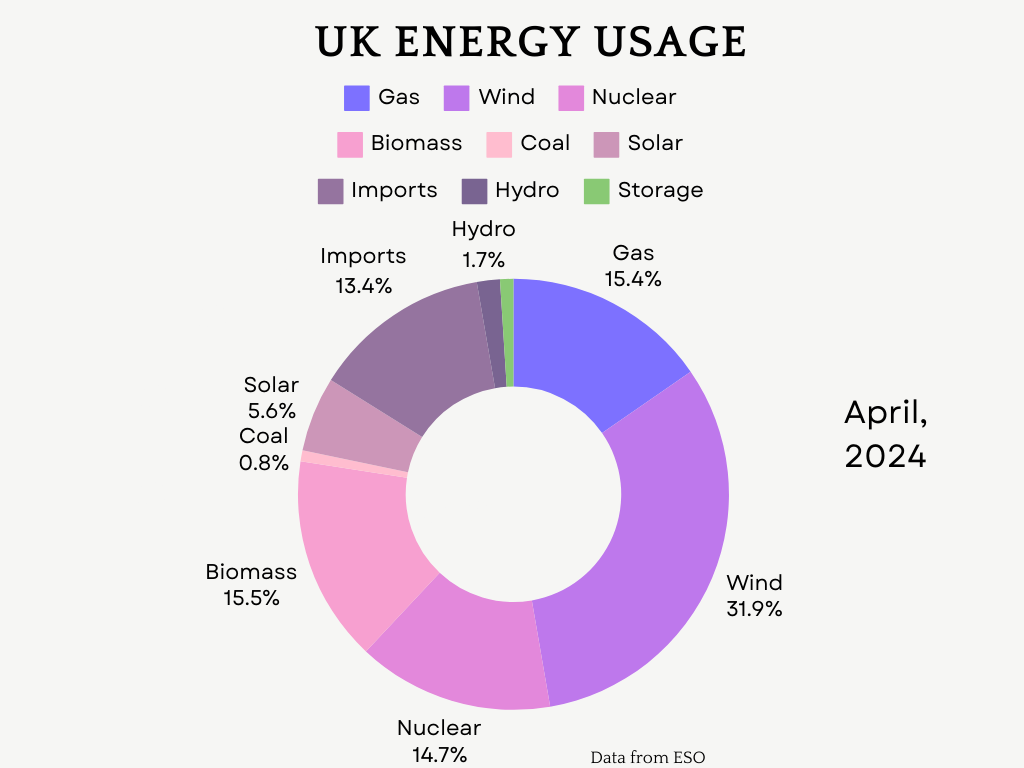
Chart by Madalena Fonseca
More information here
The incident on Holloway Road highlights the escalating tensions between environmental activists and the public over the Just Stop Oil protests. As the group continues its campaign to halt new oil and gas projects in the UK, the debate over the balance between effective advocacy and public disruption remains heated. This latest event underscores the urgent need for dialogue between activists, policymakers, and the community to find common ground in addressing the climate crisis while ensuring public safety and minimising conflict.
Leave a Reply