
By Jessica Bashir Stone
With the current emotion in the Western Hemisphere that of boredom and loneliness, it’s no wonder so many people are struggling with their mental health.
We can’t go anywhere; we can’t do anything, and we are stuck inside with the same people nearly 24/7. So, what do we do?
A lot of people turn to sugar-based diets when there is nothing else to do, purely for a burst of energy. However, is this what could be making our mental states worse?
What is gluten?
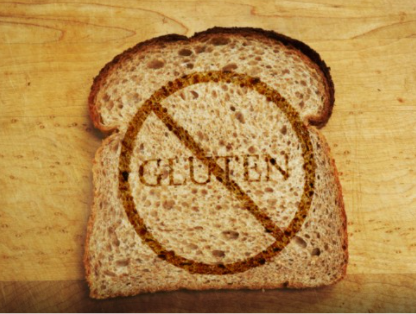
Gluten is something that the average person consumes at least once a day. It can be found in bread, beer, pasta and many others. This protein-based substance is found in wheat, so someone who eats copious amounts of carbohydrates is going to be more adversely affected than someone who doesn’t.
To start, let’s clear one thing up.
Gluten intolerance and coeliac disease are two different things; people suffering from coeliac disease are affected a lot worse than those with a gluten intolerance.
When people who have coeliac disease eat high carbohydrates, it causes the gut lining to begin to break down and erode, which can then send the body into a panic and then trigger anxiety symptoms.
However, the gluten has been found to send positive messages around the body. Nevertheless, with these two working together, the positive message doesn’t get the chance to leave the stomach before the gut lining starts to break down, according to Dr. Raheel Karim, consultant psychiatrist at Pall Mall Medical.
Gluten and coeliacs
If gluten enters the body of someone who has the coeliac disease, the body will not react correctly. They will show symptoms of bloating, digestive issues and increased levels of anxiety and depression.
Having a gluten-free diet for some people could mean a new mood, feeling happier and better in everyday life. However, it is the nutrients in the gluten that break down the stomach lining meaning that the increased levels of depression will begin to show.
If you feel bad or in a particularly low place after consuming gluten, then contacting your doctor or dietician may be of use.
They can talk you through the next stages, and it may help to go on a gluten-free diet to trial if this could be the reason you are feeling low.

Gluten is found in these common foods:
- Wheat
- Cakes
- Bagels
- Bread
- Cookies
- Doughnuts
- Muffins
- Biscuits
- Pancakes
- Waffles
If you have any serious side effects to any of the foods that are listed, please contact a doctor immediately.
Good article. As someone who has gluten intolerances I found the article Informative and carrying a clear message.