

By Elli Collins
Covid-19 restrictions in the UK will continue to ease from the April 12th start date, which saw non-essential shops and pubs reopening and people being able to meet outside, or in public gardens, using the rule of six.
However, with the lockdown restrictions becoming more relaxed over the coming months, could a third wave be on the horizon – especially as a lot of people still aren’t vaccinated yet, including teens and children?
With many parts of Europe having a spike in cases, and forced to go into another lockdown, Prime Minister Boris Johnson has said that “it’s only a matter of time before the wave from Europe washed up on our shores”, as reported by the BBC.
The article quotes Chris Whitty, UK Chief Medical Advisor, as saying: “It is possible a significant rise may not actually come until the winter, giving more time for the vaccination programme to rollout.”
He added that the UK should be confident that the “path from here does look better”.
But we should still expect “bumps and twists” along the way?
Why does this matter if most people are vaccinated?
Unfortunately, not everyone has managed to receive a vaccine. Teenagers, young adults, and children are amongst those who have not yet been invited to take part in the vaccination programme, and there are also those who are refusing to get vaccinated in the first place, for medical, religious or other reasons.
This means that with everyone mixing and socialising in places like pubs, bars, restaurants, shops, etc, the people who have not been vaccinated could potentially contract the virus – and be at risk of death.
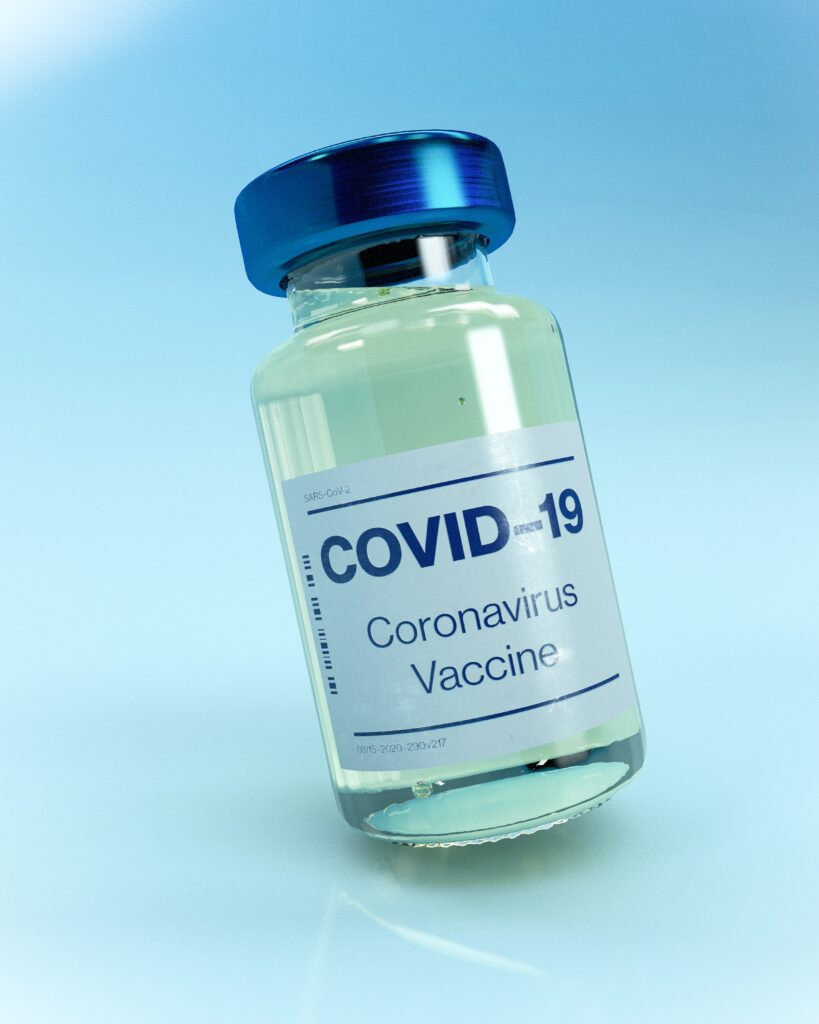
The BBC article states: “While the vaccines are good – they significantly reduce the risk of falling ill and for those who do develop symptoms there is a strong likelihood it will be a fairly mild cough, fever or short period of breathlessness – they are not 100% perfect.”
So, despite getting the vaccine, we are still likely to see an increasing number of deaths for the rest of this year.
“I have the vaccine, however I don’t always feel safe,” said 40-year-old primary school teacher, Michelle Brown. “I feel as though it isn’t 100% effective, and I’m always wary about my surroundings.”
Factors that can contribute to a potential third wave
There are a lot of issues that will be crucial in deciding what to do next.
For example, the vaccination programme which plays a huge part. The vaccine programme not only protects people by giving them the vaccination, but it also slows down transmission. The article from the BBC states that evidence suggest the AZ jab could “stop two-thirds of people who are vaccinated from passing it on.”
Those who have already contracted the virus at some point, will fortunately have some immunity.
Another factor is seasonality. There are many viruses that thrive during the winter – for example, the flu, the common cold, tummy bugs, etc, that are much more likely to be passed around than in spring/summer.
Due to the fact COVID is a new virus, never seen before, it is hard to predict when it will be at its most contagious stage, and will take some time to settle into a pattern. However, the seasonal changes will be likely to have some impact.

In his statement, Chris Whitty also said: “The most immediate problem was likely to be local outbreaks – and variation in uptake between different areas leaves some places particularly vulnerable.”
What happens next?
Unfortunately, because this virus is new, what will happen next is unknown.
At the moment, England is still coming out of lockdown slowly, and the dates set by Boris Johnson at the beginning of the year are still being followed.
“I feel as though we may be coming out of lockdown a bit too early,” said 23-year-old sales assistant, Dylan Andrews. “I know lots of teenagers are going to go to pubs and bars, like myself, who aren’t vaccinated, and I just think it won’t end well. Something really needs to be done about speeding up the vaccine rollout.”
Everything just needs to be taken one day at a time. Hopefully, having the restrictions relaxed won’t affect the R level, and the relaxation of restrictions can continue.
Leave a Reply