
by Efstratia Nasioula
Is this another way to adopt sustainability into the industry?
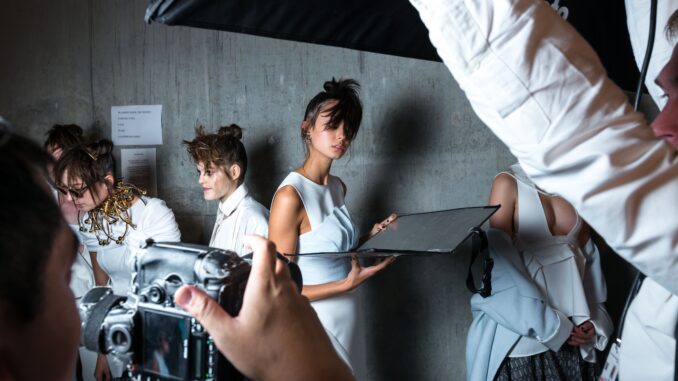
For the last decade, the fashion industry has looked like this: a parade of collections and special edition products every season featuring press gifts for influencers and bloggers worth millions; countless events featuring drinks and special foods as well as famous singers to perform just for the sake of a product launch, and journalists and photographers going crazy for an exclusive piece
And while all this was happening, the industry still remained unfriendly to new talents who just wanted to express their work. And even if they were one of the lucky few who made it, getting a salary they could actually make a living out of was not guaranteed.
As you can see, fashion needs a change, and a new direction. Major brands and people in high positions have already started to make significant progress into being more accepting, managing to create unforgettable moments in fashion. This progress includes refusing to use super skinny models, featuring transgender and non-binary artists, and focusing on sustainable and ethical practices.
Social media has played a big part in the change, allowing people to have a platform where they can share their opinions and judgment, when it is needed. But although the industry has made really good progress so far, but this is just the beginning.
“Fashion industry needed a change way before Covid”, John Mekiamis, fashion blogger and luxury brand consultant said
When Covid-19 hit last year, it was inevitable that fashion would have to adapt to a new reality. By only considering social distancing restrictions, fashion magazines and brands had to revaluate their next steps.
Collections and events held for Summer 2020 were cancelled as social gatherings were prohibited. It was definitely a crisis watching small businesses close, together with their creator’s dream.
In July 2020, London was the first city to launch a series of visual fashion shows featuring brands like Dior and Burberry. Milan slowly followed and, so far, their fashion shows remain online.
The overall relocation to online that the industry took is not just a temporary solution. Brands are now using social media to feature their work through visual representation.
“Even though it is a privilege to being able to witness a big fashion show at those luxurious events, the truth being said is that brands are now saving a lot of money while doing a bid favor to the environment” Mekiamis added.
This is a new way for creativity to be expressed because the situation is forcing the industry to rethink new marketing strategies. As examples, Prada launched a small video presenting their collection and Balenciaga did the same through a video game. This is the new reality and has been largely welcomed by consumers.
Even though many talk about the privilege of being able to witness a big fashion show at those luxurious events, the truth is that brands are now saving a lot of money while also giving a helping hand to the environment.
According to a report by Orde, fashion buyers and designers alone contribute to 241,000 tons of CO2 emissions a year by attending New York, London, Milan and Paris fashion weeks. That does not even include the millions of pounds that each brand is paying to put together a memorable show, dress their PR collaborations, have important press cover their shows, host an after party, and provide gift products to creators.
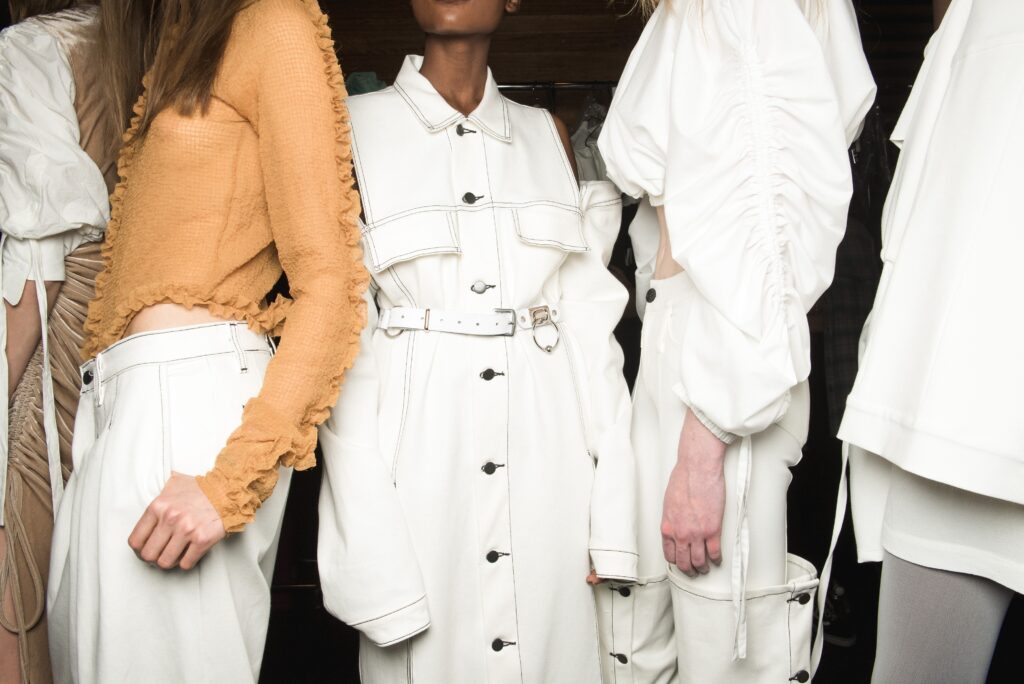
Environmentally, all the materials which are usually used at an in-person fashion show, such as plastic, carbon, polyester and paper, can be reduced significantly. Helsinki Fashion Week was the first to embrace this beneficial move.
Evelyn Mora, the founder, said: “Having our [digital] footprint measured and compared to physical events will give us a lot of information on how to do things differently.” The fashion week, which launched online from 27 of July to 1 of August, left no carbon footprint in the environment, as Evelyn explained.
Last but not least, moving shows online creates a more inclusive selection of guests. Brands can now reduce the number of people attending who aren’t really interested in the content.
These brands are creating digital zoom meetings and conference rooms for a selective amount of people including press, influencers and other designers but also keeping it simple.
The rest of us can watch the shows one day after the launch. This way, even smaller fashion bloggers can feel included. One example of this, explains WHO IS HE John Mekiamis, is when he attended Milan fashion week and felt ignored: “The photographers and the press were only there to talk to the big influencers that was dressed by the brands and got payed by them, just to give a positive quote about the show… this strategy bans other creators who would love and can contribute to the industry as well.”
Leave a Reply