

By Mia Aitken
Are you conscious of the detrimental impact the fashion industry has on our environment, and long to stop supporting the fast fashion brands? Not only because of their poor quality – although they often are – but because of the poor ethics and environmental impact behind the items you spend your money on?
Purchasing shoddy items made in sweatshop, wearing them once and then throwing them to the back of your wardrobe, never to see the light of day again, feels like a slap in the face to the environment.
“Fast Fashion is the biggest worry of the next generation,” says Sara Arnold, 34, co-founder of Fashion Act Now, an independent campaign group that has evolved out of Extinction Rebellion. Its Boycott Fashion campaign encouraged consumers to not buy any new clothes for 52 weeks.
If you were to buy from a sustainable fashion brand with higher quality garments but also a higher price point, you will be more likely to wear it again. However, the underlying issue here is price point. Seventy percent of Gen Z (16-19 year olds) say that they are conscious where they buy from, in comparison to just 20 percent of Gen X (42-50 year olds).
Yet the generation who actually care are the ones that are struggling to afford to shop sustainably. In fact, in a recent poll of London Metropolitan University students, 77 percent said sustainable fashion was just too expensive.
‘Do you find shopping sustainably too expensive?’
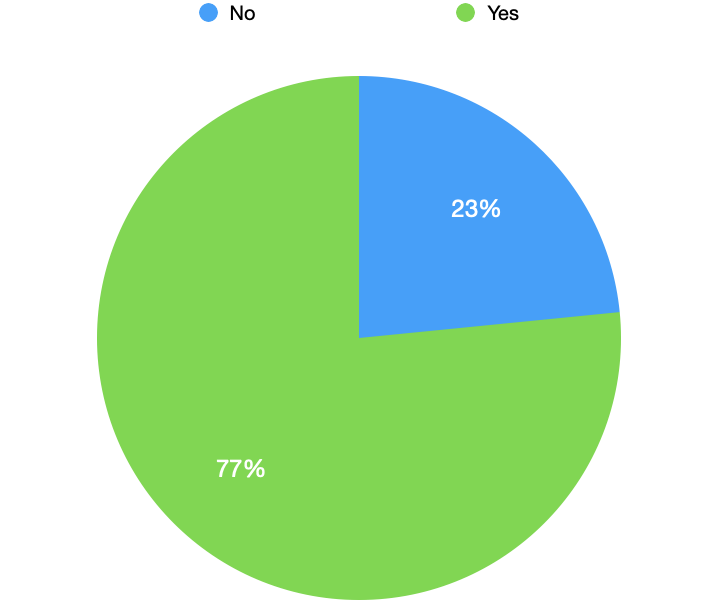
Graph by Mia Aitken
Rent, reuse, refashion
The poll of people in various age groups asked about their shopping habits, including whether they would ever consider renting pieces of the clothing. Almost all said they had rented a item in the past, or would not rule the idea out.
Interestingly, the younger generation said they would also not want to shop from charity shops, highlighting that there is still a stigma about physically entering a charity shop.
“I rented my wedding suit and had no problems with the service,” said Alex, 51. Should this service be used for more everyday outfit choices? For younger people who have smaller incomes and want to keep up with trends due to increased exposure to social media, this is an option. Millie, 17, says: “I would rent clothing as it is a cheaper way of getting the clothes I want.”

Keeping people employed
Helena Helmersson, 49, CEO of H&M says: “Activists telling people to not buy clothes is dangerous to the economy, there is need to continue to consume to help take the global south out of poverty.” Her thoughts are echoed by Gucci CEO Marco Bizzarri: “The best thing to do to shut down the business but I can’t do that as I have 80,000 jobs to support.”
Yet the planet is suffering. The fashion industry is responsible for 2.1 billion tonnes of CO2 emissions every year, which can have a disastrous effect on the environment.
Many current fashion brands have adapted their product process as a response to this, although only 17% of brands are transparent about their annual carbon footprint and use of raw material. This may be changing, however, as many up and coming sustainable fashion brands enter the market such as TALA, a activewear brand.
But what is sustainable fashion? It means that the garments that have been made in a way that is mindful of the many environmental issues the fashion industry touches upon. It goes beyond the product process, meaning that brand’s ethical values must also align with their actions.
Sweaty Betty is a great example for this. Their slogan “We really care” talks volumes about their awareness of the environment, community and employee wellbeing. Their “recycle your leggings” scheme, for example, allows customers to donate their old workout leggings and receive £10 off their next purchase. They then use the recycled leggings to make new ones.
Looking out for promotional scheme like these is just one of the ways you could shop more sustainably while also sorting out your wardrobe space.
Ethics to suit your budget
Sadly, the sustainable fashion market appears to be shrinking. The Covid-19 pandemic has had an impact on more things than we realise, including sustainable fashion, which saw sales go from £6.35 billion in 2019 to £6.14 billion in 2020 due to the COVID-19 pandemic.
But one does not have to buy from the expensive sustainable fashion brands in order to shop more sustainably. Along with renting clothes for big events, there are many other ways in which you can sustainable while on a budget. You can buy second hand, from charity shops or online market places, such as eBay. You can begin by swapping clothes with friends, which would require little to no cost at all.
HURR is a company based in the London area with concessions in Selfridges that was established in 2017 by CEO Victoria Prew, 28. It advertises itself as a “fashion marketplace changing the way we wear and buy clothes by giving lenders the chance to monetise their pieces, and renters the chance to shine in them for a fraction of their retail price”.
“I was struck by a home truth, fast fashion has created a demand for ‘newness’ that has no place in a sustainable future. Something had to be done to remedy the bad habits of the industry,” Prew said.
Mel Duerden, 30, Marketing Director for HURR, describes it as “the Airbnb of fashion”. You can rent items from various fashion brands in 4, 8, 10 or 20 day instalments, so, whether you have a party, holiday or even graduation and are in need of a jaw-dropping outfit without burning a whole in your pocket or the planet.
Hurr works with the charity Malaika, founded by one of its leaders, to “encourage the empowerment of women”, and is “on a mission to create a community of highly-educated female leaders who can advocate for themselves and their country”. Its ‘Wear To Care.’ initiative allows customers to can rent pieces from the most stylish celebrities, trailblazers and brands, with all the proceeds going towards the 370 students at Malaika’s school for girls.
HURR is a company that aligns with values of the environment and female empowerment. As Duerden says, “We’re giving fashion a green-over.”

Leave a Reply