

By Michelle Sit Aboha
“If not now, when?” It’s the question climate movements are asking as they beg the government to take immediate action on the impact and causes of climate change.
But what is the British government doing on the planet’s behalf?
Following the opinion of ClientEarth, which is one of the environmental law charities established in Drayton Park, Holloway Road, it’s not doing anything more than breaking the international laws.
The British government has approved the use of a pesticide in England that seriously injures bees, because of a virus which affects sugar beets.
According to the BBC (2022), the decision was made “despite expert advisers finding pollution from the pesticide would damage river life, and requirement for use had not been met”.
The government’s decision appears controversial to climate movements, which recall the ban on pesticides that was put in place in 2018 in England and the UK.
According to the European Commission, the ban was renewed by UK Environment Secretary George Eustice and the Regulatory Committee following a favourable vote of 11 Member States.
“We have the right to know which Member States are now pushing to renew the authorisation for a pesticide which is proven to be highly toxic for the environment, and why they have taken that position,” said Anne Friel, 42, who is the environmental democracy lawyer of the ClientEarth environmental law charity.
“This lack of transparency of committees perpetuates a situation in which the Member States can hide behind ‘Brussels’ for decisions they do not want to be accountable for, even though they are very much responsible for them,” added Friel.
According to Joan Edwards, the director of policy and public affairs at The Wildlife Trusts, the government’s approval is “a clear betrayal of promises”.
The pesticide was banned because it contains the chemical thiamethoxam, which belongs to a class known as neonicotinoids, which are very dangerous to the life of bees.
According to EuroNews (2022), when bees are poisoned “with these chemicals, often exhibit twitching or paralysis of flight muscles”.
“A single exposure is enough to significantly damage the ability of future bee generations to reproduce,” it adds.
Why is it essential to prevent them from dying?
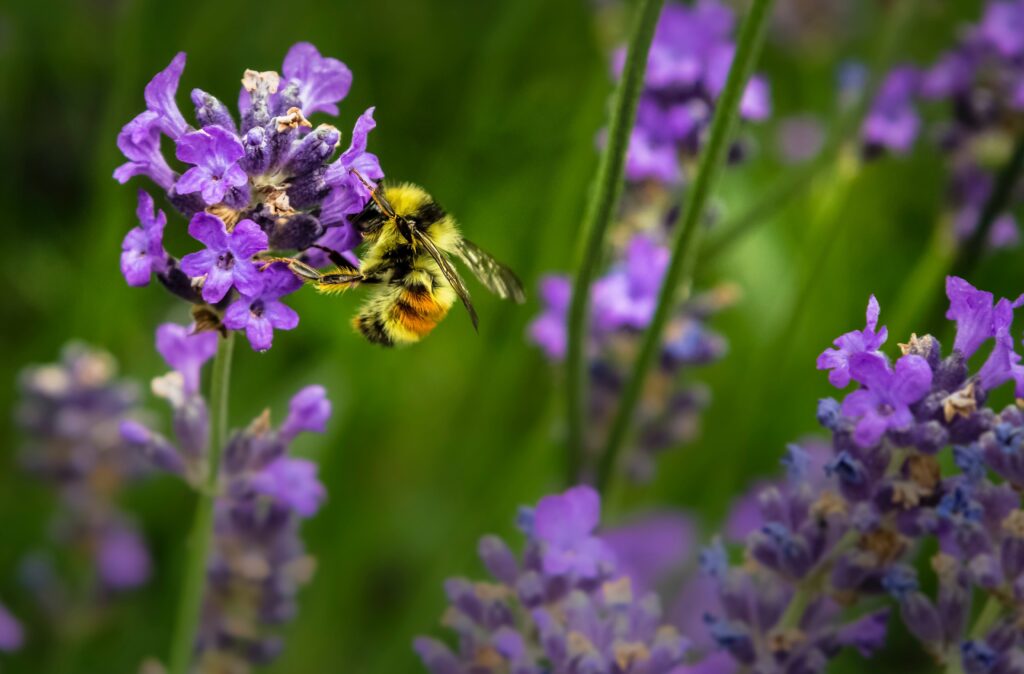
Bees play a vital role in maintaining biodiversity and a healthy ecosystem.
According to Green Peace (2022), “If we keep harming bees, we risk our food supplies. About a third of our food is dependent on pollinators, of which bees are some of the most important.”
EuroNews (2022) says that “they are also critical to our food security, providing vital human nutrition.”
“From everyday staples such as broccoli and apples through to seasonal treats like strawberries – a third of total food production is dependent on insect pollination,” said Barnaby Coupe, Land Use Policy Manager at The Wildlife Trusts.
“In the past 50 years, there has been a 300 per cent increase in the volume of global agricultural production dependent on pollinators.”
Pressure from the BritishSugar
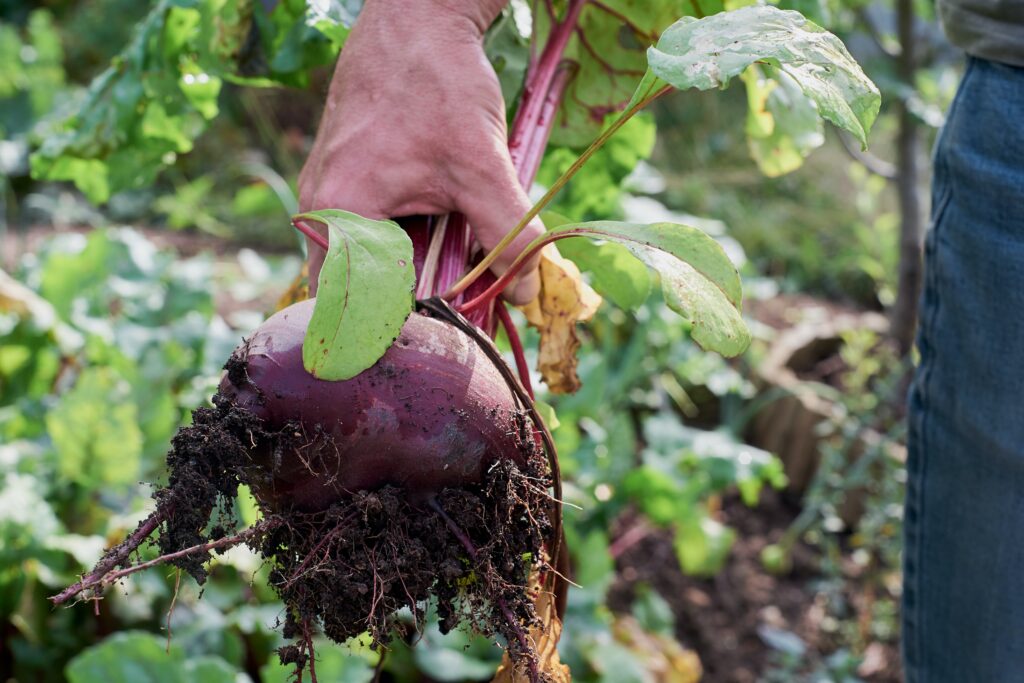
According to EuroNews (2022), “over half the sugar consumed in the UK is produced from sugar beet grown in England”.
This has caused significant pressure from BritishSugar, the only sugar beet producer in the UK, on thiamethoxam. The BritishSugar applied last year to request its use, and its application was considered during the September meeting of the Expert Committee of Pesticides (ECP).
The sugar beet industry justified using pesticides as a necessary solution in an emergency.
According to the BritishSugar, “this seed treatment would be used to protect the sugar beet crop (which does not flower) from Virus Yellows disease, a crop disease spread by aphids surviving a mild winter. The treatment is applied to the seed before it is sown – it is not a spray.”
Nevertheless, the approval by the British government has caused anger within environmental movements, including that of the Extinction Rebellion.
The demonstrations of the “rebels” against the indifference of the British government
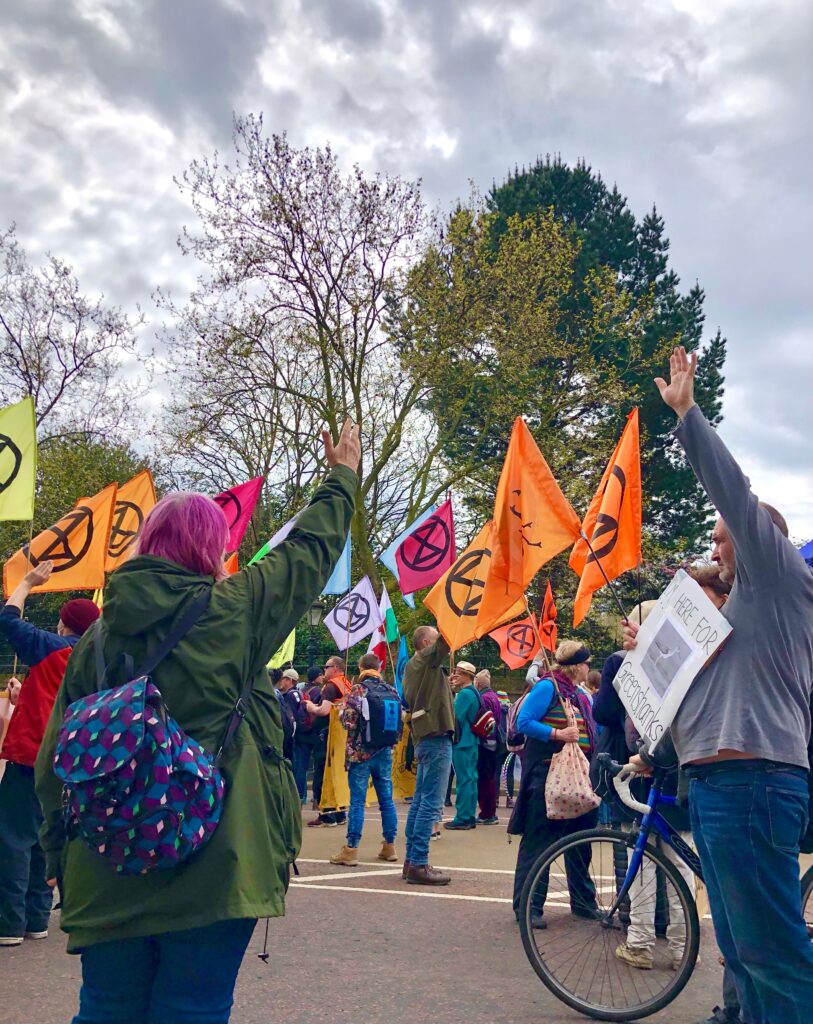
Extinction Rebellion (XR) organised a series of peaceful protests on the streets of London over Easter week to call on the British government to take significant actions on behalf of our planet.
The most significant protest took place on April 14, in which the demonstrators tried to glue themselves to the reception of the Shell Center in Lambeth. It is one of the actions that the rebels, as they call each other, use to shake the consciences on the epochal need for a change of pace.
Everything went around without unexpected events, except for some XR demonstrators, who were searched by the police and forced to show their documents.


XR’s demonstrators, after trying to glue themselves inside the Shell Center. Credit: Michelle Sit Aboha
“It’s never too late to start making changes. It’s going to be difficult now, but changes can still be made, and I think that ‘if not now, when?’ it’s the question to have in mind because we need to start doing now,” said a member of the Extinction Rebellion, who doesn’t want to be identified.
“We are facing a crisis when they say ‘we got 30 months otherwise the world will eventually destroy itself.’ We need to get that sense that everybody understands what those issues are, and we need to be able to respond. And I think that it becomes easy; it’s not something so complex,” said Chris, 68, leader of the XR.
“I hope we get more people on board. And I hope, something that probably isn’t going to happen, that our government will change policy,” he added.
The protests ended a few days later, and the Extinction Rebellion promised to organise more actions before the end of the year. It’s proof that despite the British government breaking promises, groups like XR are not giving up on getting their message across.
If you’re interested in saving the bees the deadly pesticides, you can sign the petition on the Green Peace official website.
Leave a Reply