
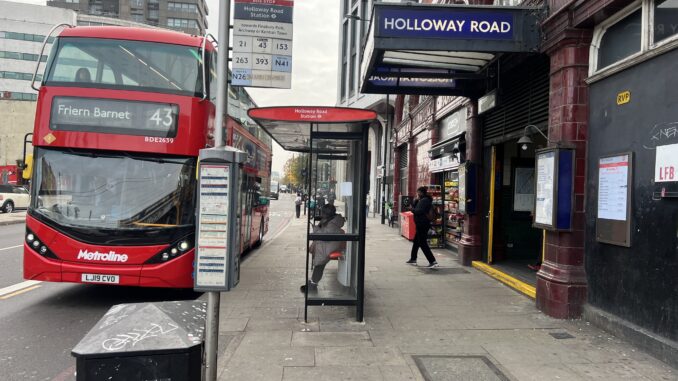
Words and multimedia by Armineh Sepahi and Ben Tellyn
London’s bus service has seen an increase in single fares from £1.75 to £1.85. The fare rise comes hand in hand with rising prices in all aspects of life for Londoners, who are facing an increasingly difficult winter.
94% of Londoners have reported a cost of living increase last six months, reported Statista. So where does this increase come from? And how is it justified by TFL?
The fare price had previously been frozen for the last three years as an “emergency cost of living measure” according to TFL. This cost-of-living crisis perseveres but consistently low prices don’t.
Some of the main reasons affecting this increase include far evasion, with people using the services without having paid. TFL has recorded an increase of nearly ten percent in penalty fines given which is representative of how many people are evading fares. This certainly contributes to the loss of revenue, thus requiring an increase in price to the consumer.
Another is the cost which TFL’s aging infrastructure brings. This is estimated to require an annual investment of around £1.1 billion, But renewals expenditure averages at around £700 million over the past five years. With what amounts to a £6.5 billion backlog over those 5 years, the services continue to become further behind what is required to operate an up-to-date contemporary transport infrastructure.
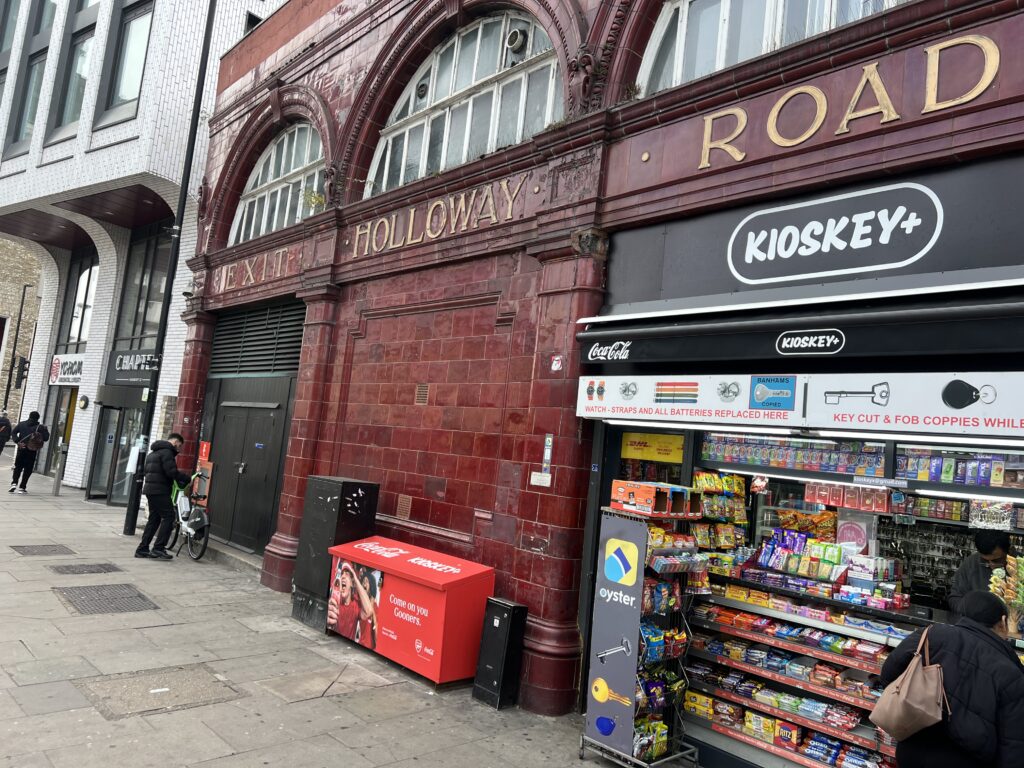
Outside Holloway Road station
Londoners are questioning whether the high cost of public transport matches the quality of the service they receive. Two passengers shared their experiences of expensive fares, train delays and what they believe should change.
Alexandra Winnina, who works in marketing in an estates team, believes that public transport is expensive because people depend on it for their daily journeys. She thinks transport companies can increase fares because passengers have limited alternatives.
“People are never going to stop using public transport,” she said.
Speaking about delays, Winnina suggested that strikes and London’s ageing transport infrastructure could be contributing factors. She believes that improving infrastructure, especially on older Underground lines, and providing more regular services could make public transport more reliable.
Asiyan Bazaeva, a college student, raised concerns about the financial pressure transport costs place on families. She believes that staff shortages, low wages and strikes may contribute to delays and service problems.
“London’s public transport is not worth the money,” she said.
Bazaeva believes fares should be more affordable, particularly for children and students who may not have enough financial support.
Both interviewees want improvements, but their priorities are different. Winnina focuses on modernising infrastructure and making services more reliable, while Bazaeva believes reducing fares and addressing staffing problems should come first.
Leave a Reply