

by Chibueze Oyo
Food banks, providing basic necessities for families in harrowing financial difficulties, are expected to be under increased pressures as household energy bills continue to soar and the cost of living continues to rise as Downing Street proposes a 2.5% national insurance hike to taking place in April 2022.
Supporting the community
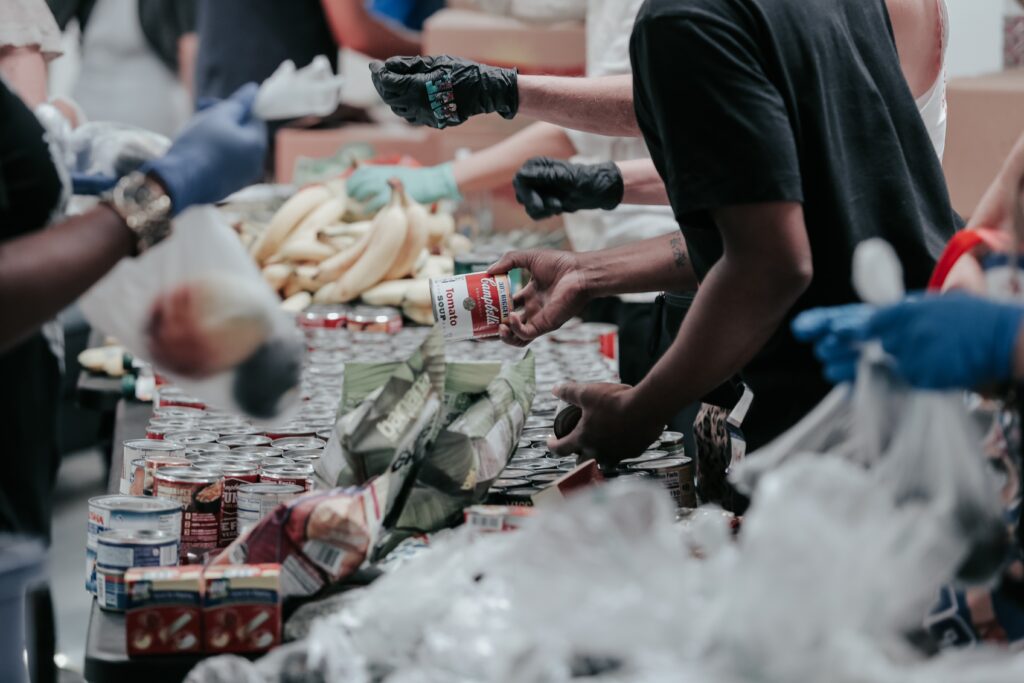
The Pilion Trust food bank in London’s Highbury and Islington area was initially supporting 20 families prior to the pandemic, since then they have seen their numbers dramatically increase and currently supporting over “120 families a week, with this expected to rise to in the foreseeable future”, said co-founder Savas Panas.
The Pilion Trust food bank has been supporting families in the Highbury and Islington area for four years. “With the pandemic, we’ve seen more families become dependent on the food bank’s services to be fed,” said Panas.
Food banks face a multitude of challenges, as distribution organizations that usually supply surplus stock are impeded by supply and global trade issues. Panas said that donations have fallen in recent weeks, and he doesn’t expect things to pick up any time soon.
“We’re seeing the number of food items that families donate to us decrease; people are simply giving a lot less,” Panas said. Distribution companies aren’t able to deliver food like before as “they lack the resources to travel to food banks across London”, he added.
“We used to have trucks, load off food every hour, now we’re lucky if the truck makes an appearance once a day. With us being such a small organization, we were extremely reliant on these drop-offs”.
Low-income families hit the hardest
The Independent Food Aid Network (IFAN), which supports over 500 aid independent food banks, said they’ve already seen higher weekly registrations as they continue to support families that have been hit by benefit cuts and increased government pressures. IFAN Editor Charlotte White said in November, 2021 “that benefit cuts will plunge at least 840,000 people into poverty, including 300,00 children”.
Low earners are being affected the most specifically in the food and energy sectors with the price cap on utility bills tipped to hike more than 50% in the upcoming months.
David, who declined to give his last name, collects food from The Islington Food Bank. He said that he has already seen the effects of the rise of the cost of living.
“I know things are going to get much worse especially with the increase in energy bills. I’m already doing all I can to squeeze every last penny and it is still, not enough,” said David.

Food banks clamping down
Food banks are having to enforce stricter rules as they try to keep up with the demands of new families joining the program.
“We’re always going to do all we can to support families get back on their feet. That is why we urge families on our program to be proactive and find new opportunities whilst they receive our help and support,” said Panas.
He added that occasionally families are “reluctant to pick up new opportunities as they know every day, they can go to a food bank to collect food”.
As a result, he said, they have “had to be stricter over here and only allow families to have one pick-up from us per week. We aren’t trying to just feed people; we want to be of help to families in a point of crisis”.
The Pillon Trust is urging residents to be smarter with their money, particularly as they do their food shopping. “Food prices have been creeping up in the last few years. Residents need to buy food at the stores where the prices are best,” Panas said.
Leave a Reply