

How has the pandemic affected food banks and those depending on them?
By Florentina-Mirela Cercel, Alexandra Ioana Cimpeanu, Olivia Snaith-Cairns
The world has gone quiet. It’s lockdown, people are losing their jobs, and they can’t see anyone except those from the same household.
The year 2020 has changed the lives of many, showing us the importance of empathy and caring for the most vulnerable, but also checking us back in reality with what’s really essential.
While some people are using their newly found spare time to volunteer and make a difference, some others have found themselves having to start relying on food banks for a basic meal, as there has been an increase in food poverty as a dramatic effect of the Covid-19 pandemic
Nobody left hungry or suffering
Unfortunately, the Coronavirus outbreak has resulted in a food shortage and a lack of volunteers – regardless of the newcomers. This has compelled many food banks to dramatically reduce their services or even worse – to completely shut down, despite their crucial importance for some people.
Morven Oliver-Larkin, London Food Poverty Campaign, said that the increase in the numbers of people relying on food banks has been “partly due to Covid and partly due to in-work poverty”.
Hunger is affecting the physical and mental well-being of children and adults alike: pupils’ focus is decreased, causing anxiety, agitation and stigma among peers. “This is why we have to make noise about hunger,” said Carmel McConnell MBE, founder of Magic Breakfast.
She added: “I’m desperately keen to get all of our voices together to say that right now we have to insist on a shared emergency fund and collaboration from everyone.”
Previous government reports show that a rise in retail demand was not anticipated, even when news has surfaced documenting a national disruptive effect between consumers and food suppliers, disappointing the people in their government’s response.
During the ‘Hungry London’ panel discussion organised by London Metropolitan University, Leon Aarts, founder of With Compassion, said: “When COVID happened, councils didn’t know what to do.”
Increase in food parcel need
The Trussell Trust’s research has shown a 61% increase in food parcels needed across its UK network in October to December 2020.
Aarts also made a point saying: “I believe that food is a human right, and it is a basic right.” All members of the panel have agreed that food should not be treated as a privilege.
“Food was always seen as a privilege for me growing up,” said Tiffany Cummings, health care worker, who is making sure her three children will never have to go through that.
“I saw that London will be hungry, and I saw that all of these kitchens will be closed before the first lockdown and all the chefs sitting at home,” said Aarts, which is why he decided to make a difference and help out the community.
Anne Elkins, Project Manager at The Felix Project, also present at the panel, commented on the fact that Covid-19 increased the number of people in need of help from food banks, saying that “any organisation that were providing food before the pandemic, if they’ve managed to remain open, they are now a food bank”.
She continued by saying “ undoubtedly, the pandemic has increased the number of people who are now in need of food banks, hugely”.
So, how can you help food banks and the people relying on them?
There are many different ways to support food banks. Anne Elkins said that “they do what they can in terms of catering for as many people as they can”. She also commented that “it’s difficult for them (food banks) because they have limited funding, they only have the funding that they can apply for and are successful for”.
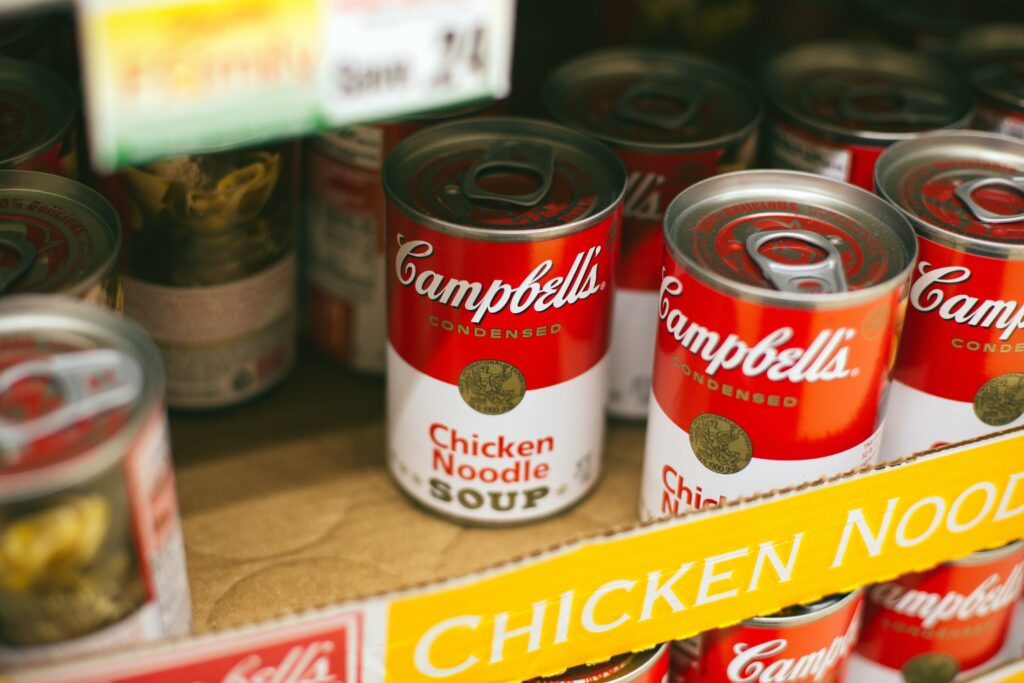
The best ways to support food banks is by volunteering, donating any food or money that you can, and offering extra support. Before donating, ensure you know what the food bank needs. Food banks often want long shelf life products such as, tinned beans, soups and condiments.
For more information on how to support your local food bank and what they do to support people, you can contact them or any affiliated organisations or visit their websites.
Leave a Reply