
By Rose Blanchard
Sexual harassment is defined as unwanted behaviour of a sexual nature which: violates your dignity. makes you feel intimidated, degraded or humiliated. This can be anything from being wolf-whistled at to being continuously stared at, being grabbed or facing sexually inappropriate comments.
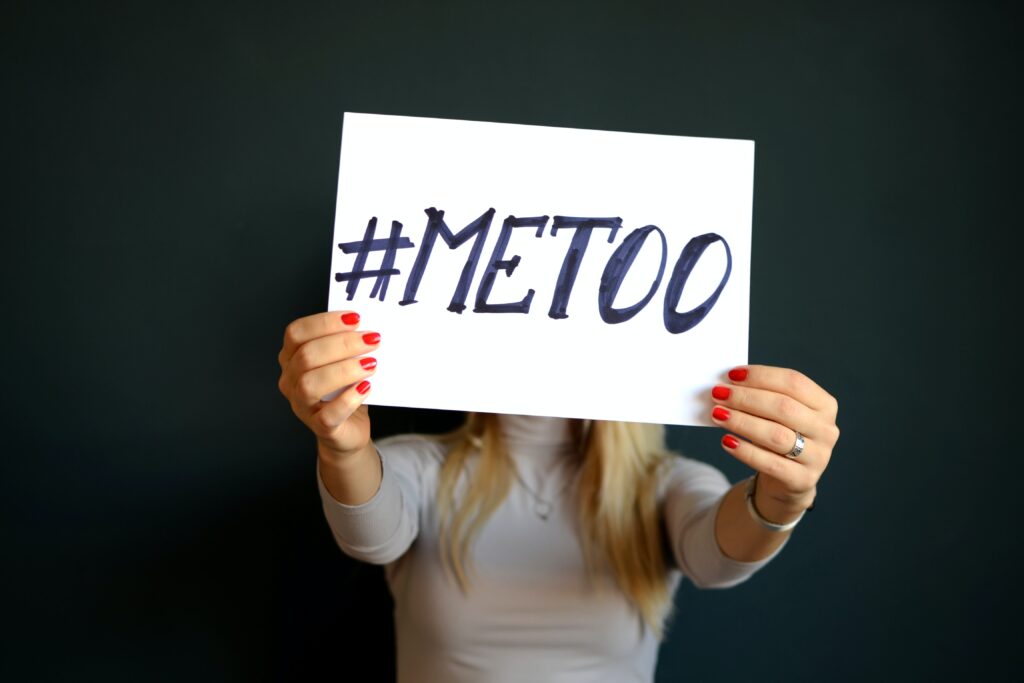
In light of the #metoo movement, many businesses are beginning to look further into how they can protect their employees against sexual harassment in the workplace. The drinks industry, particularly pubs and clubs, have been under continuing pressure to reform what many consider to be a toxic culture for women especially.
The Office for National Statistics reported last June that more women aged 16 to 34 years experienced catcalls, unwanted sexual comments, and whistles than men of the same age. Of adults aged 16 to 34 years, 65% of women had experienced harassment, compared with 29% of men, it said.
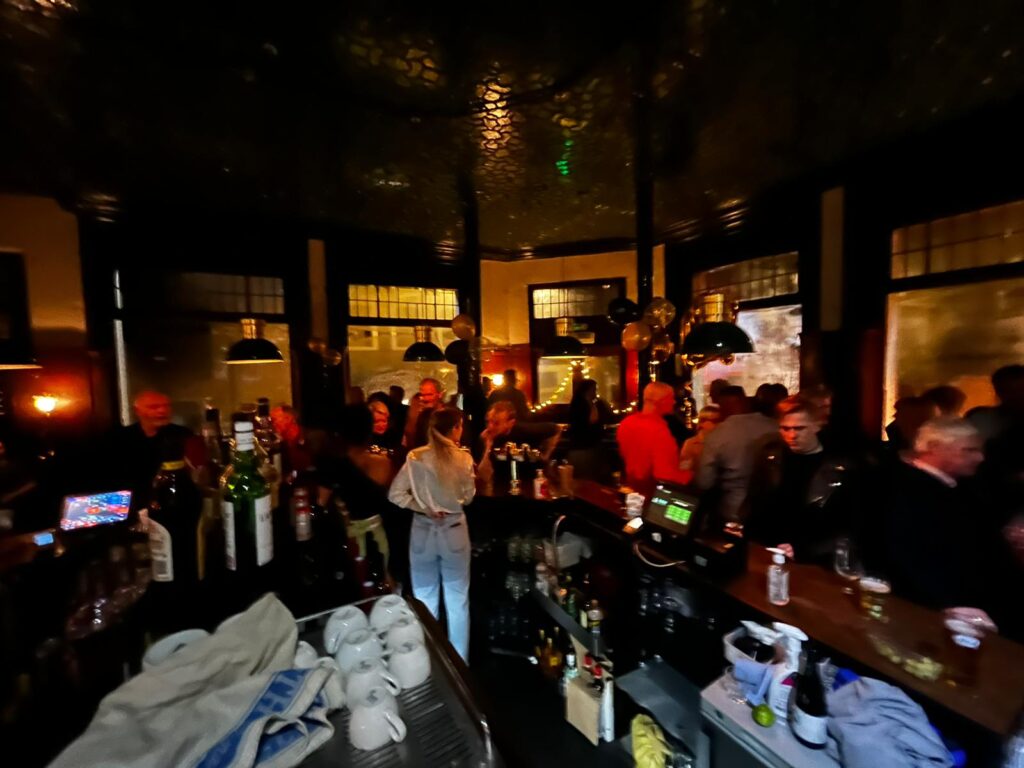
Sean Keenan, 33, manages the Big Red pub on Holloway Road. He is adamant that his female employees face more sexist comments and harassment than his male employees. As the majority of his customers are men of an older generation, who are more often than not inebriated, sometimes the lines between social space and workplace become blurred, he said.
“There is an understanding between female employees that they are effectively being paid to be nice; however, to customers I think this is often forgotten,” he said.
“People forget that we are working and that creates this pressure on the women here to put up with things that they shouldn’t.”
“A colleague was talking about how much money she makes in tips in her second job working in a pub. Male colleague said, ‘pop a button off and double it.’”
Rachel, The Everyday Sexism Project
Despite the fact that Keenan says his female staff have to deal regularly with sexual harassment, he said they rarely come to him. “Women tend to let it go,” he said, adding that if every incident was reported to him, he would probably be throwing customers out on a weekly basis.
Terri Kelly, a nearly 70-year-old women, told the Guardian about her experience of pubs as a women, highlighting how much she thought pubs had changed since her youth. They have become “eateries rather than just drinking dens”, she told the Guardian.
Pubs have always been, or at least seen to have been, predominantly male-dominated spaces, but with the continuation of pro-feminist movements, is that beginning to change?
“I would’ve hoped that things would have changed since the ’70s but in reality, I think we faced similar issues to the bartenders of that time. Society in general has improved, but I think we still have a long way to go,” said Abi Cotgrove, 25, bartender at The Lord Stanley in Camden.
“You can notice the difference in how male members of staff are treated compared to female members. They are taken more seriously. I think a lot of the sexism I face is more veiled, like I won’t notice until later, it’s internalised misogyny.”
The Metropolitan Police has rolled out their new safety initiative to help individuals who feel unsafe, vulnerable or threatened called Ask for Angela. This encourages customers to go to a member of staff and ask for ‘Angela’ which is a code word to say they need assistance. Whilst this has been an excellent initiative for supporting customers, it doesn’t support members of staff.
“I think both sides need to come together to fix this problem,” said Karl Hoscik, 24, assistant general manager of Simmons, Euston Square. “There are no preventative measures… it’s just about being vigilant and keeping an eye out.”
Hoscik said it was difficult to spot someone exhibiting sexist behaviour, and thus was unsure of how he could stop it before it happened. He emphasised the need for men and women to help each other.
Hoscik said anyone harassing anyone in his pub would firmly be shown the door.
“I’ve had mates who have been a bit too pushy with girls. It’s just about saying ‘mate, you’re making her uncomfortable’. Don’t be a bystander”.
Leave a Reply